What Homeowners Actually Pay for a Standby Generator Installation
Understanding the cost for generac installation is the first step toward making a confident decision about backup power for your home. Before diving into the full breakdown, here is a quick snapshot of what most homeowners can expect to pay:
Quick Cost Summary: Standby Generator Installation
| Component | Typical Range |
|---|---|
| Generator unit (standby) | Starting around $2,000 and up |
| Professional labor | Varies by complexity and region |
| Transfer switch | Included in most turnkey quotes |
| Concrete pad, gas line, permits | Additional site-specific costs |
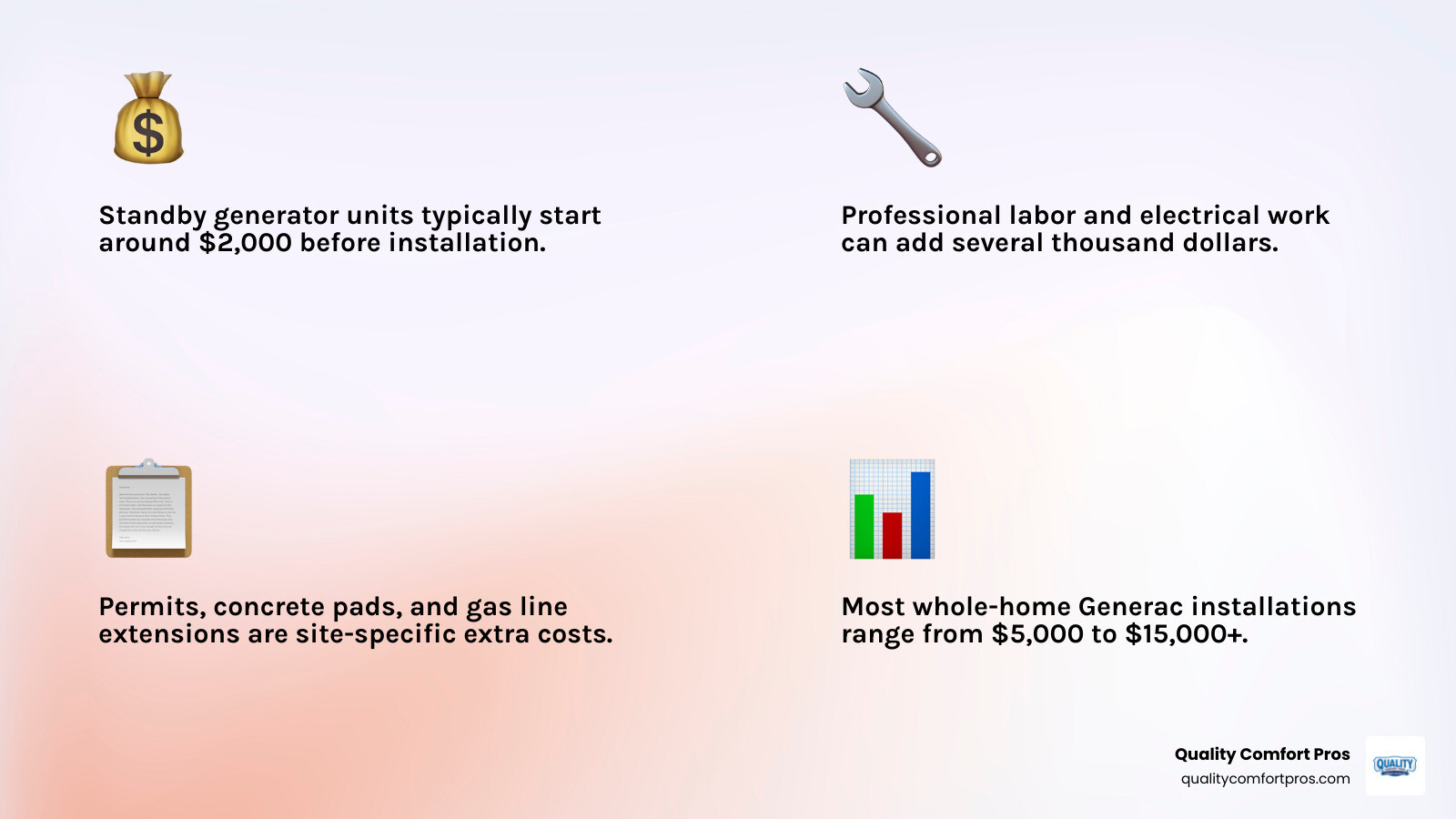
| Total installed cost (most homes) | Roughly $5,000 to $15,000+ |
Pricing can vary depending on several factors. Costs may differ based on the size and complexity of the project, and homeowners should request a professional estimate for accurate pricing.
Power outages are not a rare inconvenience in Northern Michigan. Between winter ice storms, spring flooding, and an aging power grid, losing electricity is less a question of “if” and more a question of “when.” For homeowners in Gaylord, MI and the surrounding region, a standby generator is not just a comfort upgrade. It is a practical necessity for keeping heating systems, medical equipment, and essential appliances running when the grid goes down.
The challenge most homeowners run into is not finding a generator. It is understanding what the total investment actually looks like before a contractor shows up at the door. The unit price you see on a product page rarely tells the whole story. Professional labor, electrical work, site preparation, permits, and fuel line connections all factor into what you will actually pay from start to finish. Pricing can vary depending on several factors, so having a clear picture of each component helps you budget realistically and avoid surprises.
I’m JD Osman, and with over 20 years of experience in business operations and customer-focused home services, I have helped countless homeowners navigate the real cost for generac installation from initial sizing through final inspection. In the sections ahead, I will walk you through every piece of the puzzle so you can plan with confidence.
Understanding the Total Cost for Standby Generator Installation
To understand the total investment required for a standby backup system, it helps to break the project down into two distinct parts: the hardware itself and the professional labor required to get everything up and running safely.
The hardware portion includes the generator unit and the automatic transfer switch. The transfer switch acts as the brain of your backup system. When the power grid fails, this switch instantly detects the loss of electricity, safely disconnects your home from the utility lines to prevent dangerous backfeeding, and connects it to the generator. High-quality standby generator units are built to withstand extreme winter weather, but they require precise electrical and fuel connections to perform when needed.
The labor portion of the project covers the specialized trade skills required for a safe, code-compliant setup. Installing a standby generator is not a simple weekend project. It requires a licensed electrician to handle the high-voltage electrical connections and a professional technician to run and secure the fuel lines.
Labor costs typically make up a significant portion of the overall project budget, often accounting for 30% to 50% of the total cost. This investment ensures that your system is installed in compliance with local mechanical and electrical codes, which protects your home’s warranty and ensures your family’s safety. For those looking to secure their home, investing in professional generator installation services ensures that every connection is handled by an expert who understands the unique climate challenges of Northern Michigan.
Key Factors That Influence Your Final Investment
Every home is different, which means no two generator installations are identical. The physical characteristics of your property, your existing utility setups, and where you choose to place the unit will all influence the final price.
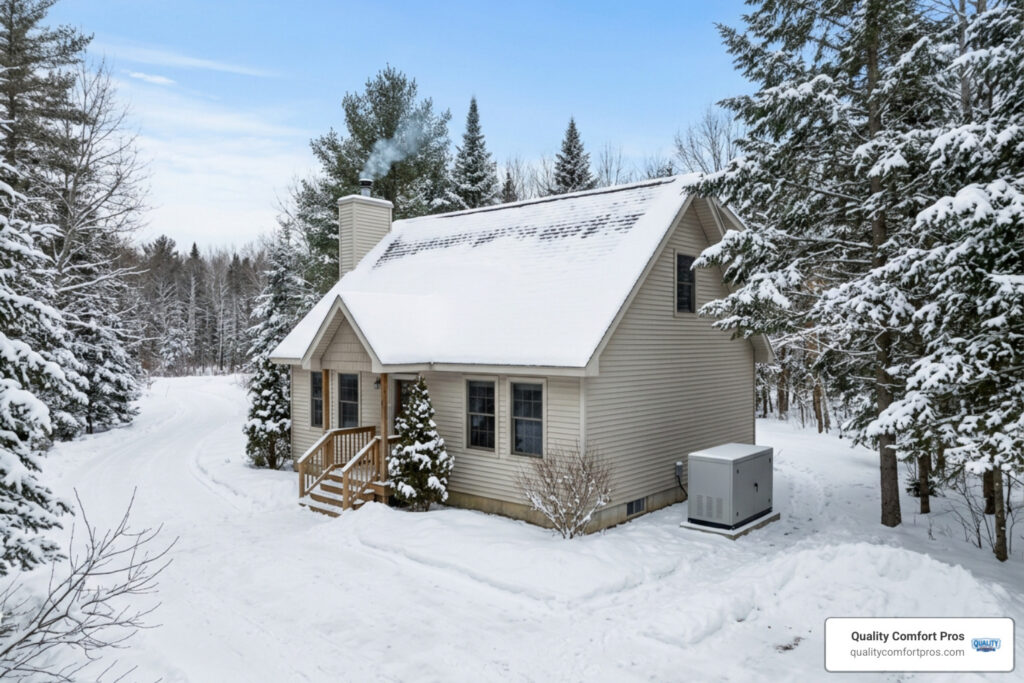
Site preparation is one of the first physical steps of the installation process. A standby generator must sit on a flat, stable, and elevated surface to keep it safe from pooling water and shifting soil. Installers typically place the unit on a pre-fabricated composite pad or a poured concrete pad. In areas like Grayling, MI or Gaylord, MI, where winter ground freeze is a factor, ensuring a stable, level base is critical to prevent the unit from tilting or shifting over time.
Your choice of fuel source also plays a major role in both upfront installation costs and long-term operating expenses. Standby generators typically run on either natural gas or liquid propane. If your home already has a natural gas line, your installer can tap into the existing meter. However, larger generators require a high volume of fuel, which often means your local utility company will need to upgrade your gas meter to handle the increased load.
If your property relies on propane, you must have an adequately sized propane tank on site. Running a generator during an extended power outage can consume a significant amount of fuel, so you will need to coordinate with your propane provider to ensure your tank capacity is sufficient. Knowing what to expect during installation can help you prepare your property and streamline the process.
Sizing and Power Capacity Requirements
Sizing a generator is not about the physical size of the unit. It is about the electrical capacity, measured in kilowatts, that the generator can produce. Sizing is the most critical step in the planning process because an undersized generator will stall or shut down when overloaded, while an oversized system will waste fuel and cost more upfront than necessary.
To determine the right size for your home, professionals perform a detailed electrical load calculation. This process involves listing all the appliances, heating systems, and devices you want to power during an outage and calculating both their running wattage and starting wattage. Starting wattage is the brief surge of power required to get motorized appliances, like your refrigerator or blower motor, up and running.
Homeowners generally choose between two main approaches:
- Essential Circuits Coverage: This setup focuses on powering only the critical systems needed to keep your home safe and comfortable during an emergency. This typically includes your furnace, water well pump, refrigerator, select lighting, and home security systems.
- Whole-Home Coverage: This approach allows you to run your entire household without lifestyle interruptions. It powers everything from your kitchen appliances to your central AC system.
Exploring whole-home generator options is highly recommended for families who want total peace of mind during severe winter storms.
Site Accessibility and Electrical Upgrades
The physical layout of your property can introduce variables that affect the overall complexity of the installation and the final cost for generac installation. One of the main cost drivers is the distance between your electrical panel, your gas meter, and the final location of the generator.
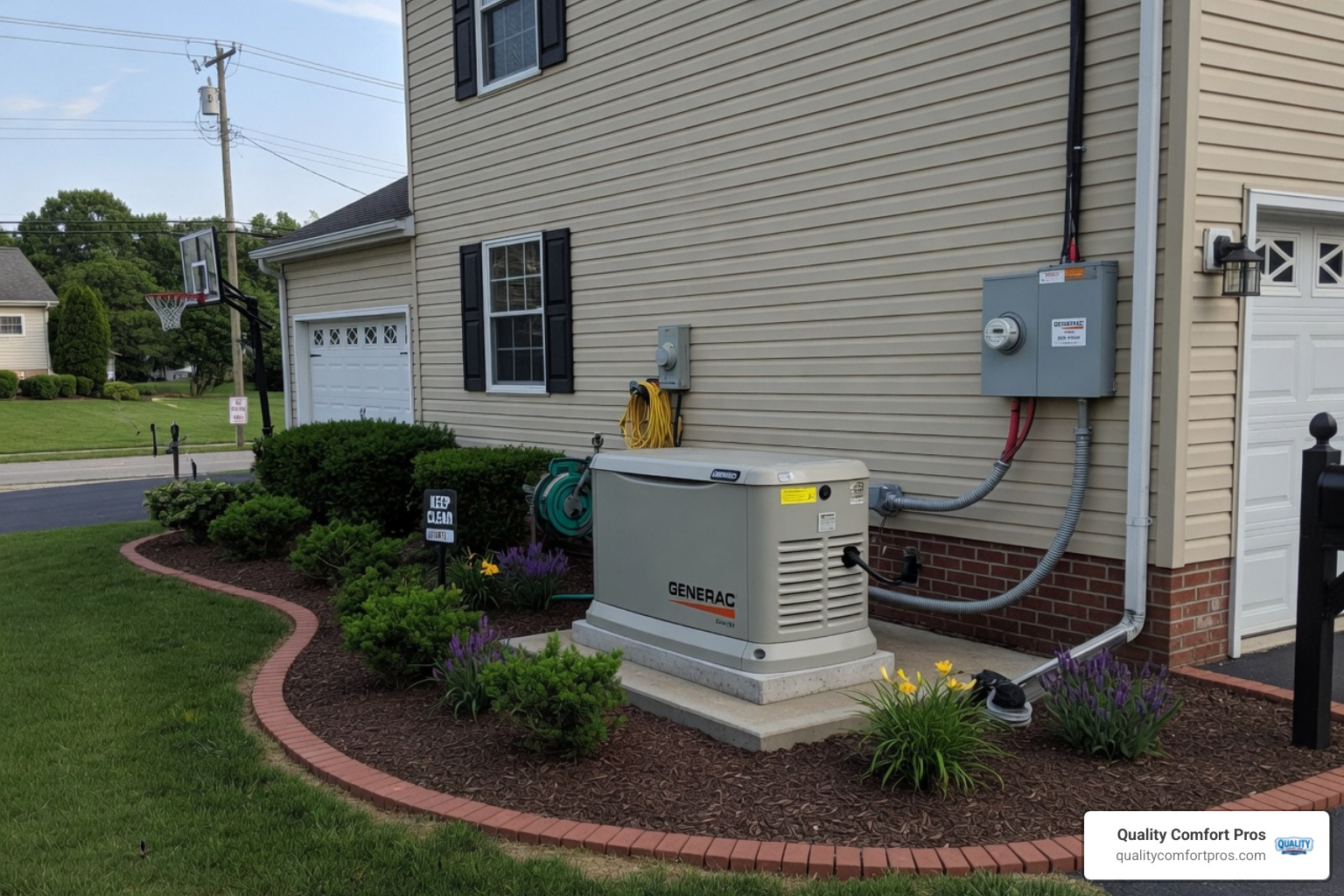
Ideally, the generator is placed close to both the electrical service entrance and the gas meter. If the unit must be placed further away due to local zoning codes, homeowner association rules, or aesthetic preferences, your installation team will need to run longer runs of electrical conduit and gas piping. This often requires trenching through your yard to bury the lines safely underground. Longer distances require more materials and additional labor hours, which naturally increases the overall investment.
Additionally, older homes in communities like Boyne City, MI or Petoskey, MI may require electrical panel upgrades before a standby generator can be connected. If your current electrical panel is maxed out or outdated, a licensed electrician will need to upgrade your panel or install a subpanel to accommodate the automatic transfer switch.
Comparing Standby Systems to Portable Alternatives
When exploring backup power, many homeowners wonder if a standby system is truly necessary or if a portable generator would suffice. While both options provide electricity during an outage, they offer very different levels of convenience, safety, and reliability.
Standby generators are permanently installed outside your home, much like a central AC unit. They are connected directly to your home’s electrical panel and fuel supply. The system monitors the utility power continuously. If the power goes out, the generator starts automatically within seconds, whether you are at home, asleep, or away on vacation.
Portable generators, on the other hand, require manual setup. When the power fails, you must wheel the generator out of storage, place it a safe distance from your home to avoid carbon monoxide hazards, fill it with fresh gasoline, start the engine manually, and run heavy-duty extension cords to your appliances. If you are dealing with a breakdown or need professional support for an existing portable or standby system, understanding generator repair considerations can help you keep your backup power source in top working order.
The Cost for Standby Generator Installation vs. Portable Hookups
If you prefer a portable option but want to avoid running extension cords through open windows, you can opt for a professional manual hookup. This setup typically involves installing a manual transfer switch or an interlock kit next to your main electrical panel, along with an outdoor power inlet box.
While this option is less expensive than a fully automatic standby system, it still requires professional electrical work to ensure safety. An interlock kit allows you to safely connect your portable generator to your electrical panel, letting you power select circuits using your home’s existing wiring.
However, you still have to manually start the generator and manage the electrical load so you do not overload the unit. This manual process can be challenging during a freezing winter storm, making safety during winter storms a major factor to consider when choosing between automatic standby and manual portable setups.
Long-Term Value and Cost for Standby Generator Installation
While the initial cost for generac installation is higher than purchasing a portable unit, a standby generator offers significant long-term value that goes beyond simple convenience.
First and foremost is the protection of your home’s infrastructure. In Northern Michigan, a winter power outage can quickly lead to freezing temperatures inside your home. If your heating system loses power, your pipes can freeze and burst, leading to thousands of dollars in water damage. An automatic standby generator ensures your heating system continues to run, protecting your property even if you are away from home when the storm hits.
Additionally, a professionally installed standby generator can increase your home’s resale value and appeal to prospective buyers. Buyers recognize the value of built-in emergency preparedness, especially in areas prone to severe weather. To ensure your system remains reliable for decades, scheduling routine generator maintenance is essential.
Permits, Inspections, and Ongoing Maintenance Costs
A proper generator installation involves coordinating with local municipal departments to secure the necessary building, electrical, and mechanical permits. These permits are not just administrative hurdles. They are legal requirements designed to ensure the system is installed safely and meets all local zoning and safety codes.
Once the installation is complete, local inspectors will visit your property to review the electrical connections and fuel lines. Passing these inspections is crucial for maintaining your homeowner’s insurance coverage and ensuring the manufacturer’s warranty remains valid.
Beyond the initial setup, standby generators require regular upkeep to ensure they start reliably when needed. Just like a car, a generator has an engine that requires routine oil changes, filter replacements, and spark plug checks. Most manufacturers recommend professional maintenance at least once a year, or after an extended period of continuous operation.
Investing in regular service helps identify minor issues before they turn into costly repairs during an emergency. Understanding the benefits of regular maintenance can save you time and money over the lifespan of your system. If you are ready to explore your options, you can request an official standby generator quote request from the manufacturer to begin planning your installation.
Frequently Asked Questions About Generator Installation
What is the average cost for generac installation?
The total cost for a fully installed standby system can vary widely depending on the size of the generator, the complexity of the electrical work, and the distance to the fuel source. Most standard residential installations typically range between $5,000 and $15,000, which includes the generator unit, the transfer switch, professional labor, site preparation, and permitting.
How long does it take to install a whole-house generator?
A professional turnkey installation typically takes one to two days to complete. The physical placement of the generator, electrical wiring, and gas line connections are usually completed on the first day, while system testing, activation, and final clean-up are completed on the second day.
Do I need a permit to install a standby generator in Michigan?
Yes. Installing a standby generator in Michigan requires both electrical and mechanical permits from your local municipality. These permits ensure that the high-voltage electrical connections and fuel line installations comply with state and local safety codes.
Can I install a standby generator myself to save on costs?
DIY installation is not recommended. Installing a standby generator involves working with high-voltage electricity and natural gas or propane lines. Improper installation can lead to severe safety hazards, including electrical fires, gas leaks, and carbon monoxide poisoning. It can also void your equipment warranty and lead to failed municipal inspections.
What size generator do I need for a 2,000 square foot home?
For a typical 2,000 square foot home, a generator ranging from 14 kW to 22 kW is usually sufficient. A 14 kW unit can comfortably power essential circuits like heating, refrigeration, lights, and well pumps, while a 22 kW unit can typically power the entire home, including central AC.
Does a standby generator run on natural gas or propane?
Standby generators can run on either natural gas or liquid propane. The unit is configured during installation to connect directly to your home’s existing natural gas line or to an on-site liquid propane storage tank.
How much does a replacement transfer switch cost?
The cost of a replacement automatic transfer switch depends on the amperage rating of your electrical service. While a transfer switch is typically included in a new turnkey installation package, replacing an existing switch can vary in price based on the complexity of your home’s electrical panel layout.
Are there financing options available for generator installation?
Yes. Many professional installation companies offer flexible financing programs that allow you to split the cost of your generator and installation into manageable monthly payments, making emergency preparedness more accessible.
How often does a standby generator require professional maintenance?
Standby generators should receive professional maintenance at least once a year. Additionally, if the generator runs continuously for several days during an extended power outage, it may require an oil change and filter replacement sooner to ensure continued reliability.
Will a whole-house generator increase my home value?
Yes. A professionally installed whole-house standby generator is a highly desirable feature for home buyers, particularly in regions that experience severe winter weather. It can increase your home’s marketability and overall resale value.
Conclusion
Investing in a standby generator is one of the most effective ways to protect your home, your family, and your peace of mind from the unpredictable weather of Northern Michigan. While the upfront costs can vary depending on your property’s specific electrical and fuel layouts, the security of knowing your lights, heat, and water will stay on during a major storm is invaluable.
At Quality Comfort Pros, we have spent 28 years providing reliable, expert, family-owned home services to our neighbors in Gaylord, MI, and across Northern Michigan. Our team of certified professionals is ready to help you navigate every step of the process, from performing a precise load calculation to securing permits and completing a flawless installation.
We serve a wide range of communities throughout the region, including Alba, MI, Atlanta, MI, Bellaire, MI, Boyne City, MI, Boyne Falls, MI, Charlevoix, MI, East Jordan, MI, Frederic, MI, Gaylord, MI, Grayling, MI, Johannesburg, MI, Mancelona, MI, Petoskey, MI, Vanderbilt, MI, Walloon Lake, MI, and Wolverine, MI.
To help make this essential home upgrade fit comfortably into your household budget, we offer flexible financing options and regularly feature special financing offers to make your installation as seamless as possible.
Whether you need a reliable backup power solution, routine system maintenance, or a complete standby system replacement, the experienced team at Quality Comfort Pros is ready to help. Schedule your professional generator service today to keep your home protected.