
Water Heater Service Across Northern Michigan
Most water heater calls start the same way: no hot water, or not enough. By the time a homeowner calls, the problem has usually been building for a while, whether that is sediment from hard well water, a part that has finally given out, or a tank that has reached the end of its service life.
We repair and replace both tank and tankless water heaters throughout Northern Michigan. A licensed plumber diagnoses the unit, explains what is failing and why, and gives you a clear price for repair and for replacement before any work starts. You decide which direction makes sense for your home.
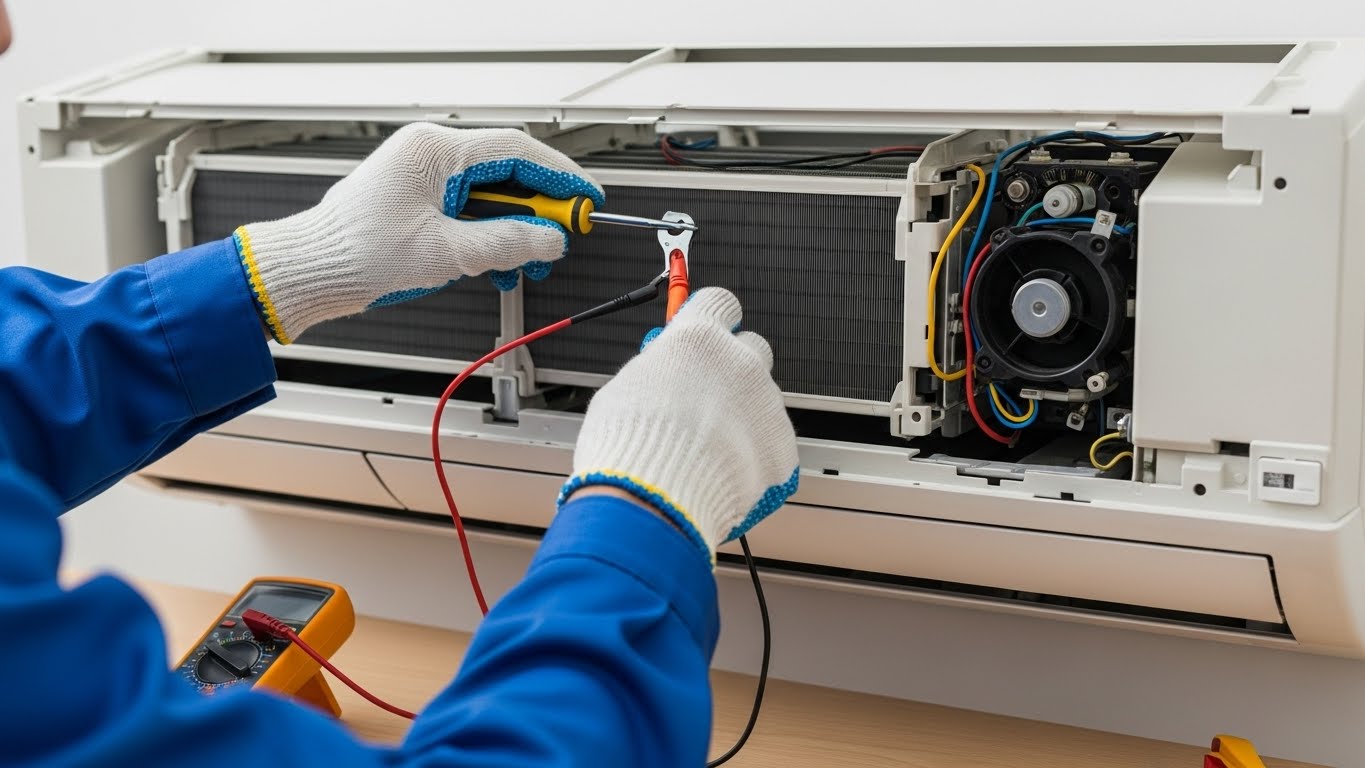
Signs Your Water Heater Needs Attention
No hot water or not enough hot water
A complete loss of hot water can point to a failed heating part in an electric water heater, a temperature control that has shut off, a gas supply problem, or a part that is no longer lighting the burner on a gas or propane model. Running out of hot water faster than usual often means mineral buildup is taking up space in the tank, or the temperature is set too low.
Rust-colored or discolored water
Reddish or brown hot water usually means corrosion inside the tank. When the rod that protects the tank from rust wears out, the tank can begin to rust from the inside out. Discolored water that clears after running cold for a moment points to the water heater, not the supply line. If the tank itself is rusting and causing discolored water, replacing its rust-protection rod will not repair the damage. Replacement is typically the right call.
Rumbling, popping, or banging sounds
These sounds come from sediment that has built up on the bottom of the tank. As the burner heats the water above it, steam forces through the sediment layer and causes the noise. It is a common complaint in Northern Michigan homes on private wells, where mineral content accelerates buildup. A tank that rumbles loudly has lost efficiency and may be nearing failure.
Water pooling near the unit
A puddle under a water heater can come from the tank itself, a valve, or a pipe connection. If the tank is leaking from rust damage or a split seam, it cannot be repaired and needs to be replaced. If the leak is coming from the safety valve that releases excess pressure or a pipe connection, it can often be fixed without replacing the water heater.
How We Approach Every Water Heater Call
Before recommending repair or replacement, a licensed plumber checks the water heater to find out what is wrong. Recommending a new water heater wastes money if the problem is an inexpensive part. And recommending a repair when the tank itself is leaking or badly damaged just puts off a replacement that is already needed.
Identify the failing component
The parts that heat the water, control the temperature, release excess pressure, protect against rust, supply gas, and light the burner can all be replaced without replacing the whole water heater. We check these parts before making a recommendation. If one has failed, we explain what replacing it will cost and whether it should solve the problem.
Assess the tank condition and age
A water heater under 8 to 10 years old with a failed part is usually worth repairing. One that is 10 years or older with recurring problems, a leaking tank, or visible rust may need replacement. We check the tank, the rod that protects it from rust, and any visible mineral buildup or rust before making a recommendation.
Explain repair versus replacement with pricing for both
When a repair makes sense, we recommend it with a clear price. When the age or condition of the unit makes replacement the better investment, we explain why and provide a replacement price alongside. You have both numbers before any work begins.
Water Heater Services We Provide
Water heater repair
We repair most makes and models of tank water heaters. Common repairs include replacing parts that heat the water, control the temperature, release excess pressure, or protect the tank from rust. On gas and propane models, we also replace parts that supply gas or light the burner. If a repair helps your water heater last longer at a reasonable cost, we recommend it. See our water heater repair page for more on what repairs we handle and what the process looks like.
Water heater installation
A new water heater installation involves selecting the right tank size for your household, proper code-compliant connections, and a permit in most Michigan counties. We handle each step, from pulling the permit to the final inspection. Details on new installations: water heater installation.
Water heater replacement
A replacement follows the same process as an installation, with the additional step of disconnecting and removing the old unit. We size the replacement correctly for your home rather than matching the old tank by default, particularly in larger homes or homes with higher hot water demand. See our water heater replacement page for what the replacement process looks like from start to finish.
Water heater maintenance
Annual maintenance helps extend the life of a tank water heater in Northern Michigan. A maintenance visit includes flushing out mineral buildup, checking and replacing the rod that protects against rust as needed, testing the safety valve, checking the temperature settings, and inspecting the tank’s overall condition. Learn more about water heater maintenance and what our maintenance visits cover.
Tank Water Heaters and Tankless: Which Makes Sense for Your Home
Tank and tankless water heaters work differently, last differently, and cost differently to install and operate. Most Northern Michigan homes still use tank units, and for many households, a well-maintained tank is the right choice. Tankless units cost more upfront but last significantly longer and eliminate the standby heat loss that a tank runs through year-round.
The right answer depends on your household size, how spread out your hot water use is throughout the day, and whether your home’s gas line and electrical panel can support a tankless installation. We can walk you through the comparison for your specific situation.
See our tankless water heater services for details on installation, repair, and maintenance of tankless units.
Why Northern Michigan Is Harder on Water Heaters
A water heater installed in a Northern Michigan home faces conditions that most manufacturers’ lifespan estimates do not account for. Hard well water, cold groundwater temperatures, and the demands of seasonal properties all shorten the life of a unit that would last a decade or more in a softer-water, milder-climate market.
Hard well water and sediment buildup
Many Northern Michigan homes use private well water with high levels of minerals. When the water heats up, those minerals settle at the bottom of the tank. This buildup makes the water heater work harder and can cause the rumbling sounds homeowners call us about.
Without regular flushing, the buildup can leave less room for hot water and cause the tank to wear out sooner. Annual flushing and checks of the rod that protects against rust help keep the water heater working well.
Cold inlet temperatures in winter
Groundwater entering your home in January in Northern Michigan can be close to 40 degrees. A water heater that refills after a shower starts heating from that temperature, which means the burner runs longer and harder than it was rated for in a climate with warmer incoming water. A unit that was adequately sized for average conditions may fall short of demand during the coldest months.
Seasonal homes and extended standby periods
A water heater in a seasonal property that sits off from October through April faces a different kind of wear. The rod that protects the tank from rust continues to wear down while water remains inside, even when the heater is off. If the tank was not drained properly for winter, leftover water can freeze and cause damage. When a seasonal home is reopened, the water heater is one of the first things we check.
Water Heater Work We Have Done in the Area
Failed heating element, year-round home near Gaylord
A homeowner called after running out of hot water during a weekday morning. The unit was a 50-gallon electric tank, about six years old. We found the lower heating element had burned through, likely accelerated by sediment contact. The element was replaced, the tank flushed, and the thermostat verified. Hot water was restored in one visit.
Sediment-damaged tank, lake cottage near East Jordan
A property owner called after the gas water heater at a seasonal cottage made loud rumbling sounds and stopped producing enough hot water for two showers in a row. The unit was nine years old and had never been flushed. We found a significant scale on the burner assembly and a depleted anode rod. The tank was past the point where flushing would recover meaningful capacity, so we replaced it and sized the new unit for the property’s actual demand.
Gas valve fault, propane unit near Charlevoix
A homeowner reported the water heater pilot would not stay lit. After checking the thermocouple and the burner assembly, we found the gas valve was allowing insufficient gas flow for reliable ignition. The thermocouple was within spec, so the valve itself was the failure point. A replacement valve restored normal operation on the same visit.
What Northern Michigan Homeowners Are Saying
Read what local homeowners say about their experience with our plumbing team.


Water Heater Frequently Asked Questions
How do I know if my water heater needs repair or replacement?
A unit under 8 years old with a failed part is usually worth repairing. A unit 10 years or older with a leaking tank, rust-colored water, or recurring failures is a candidate for replacement. We assess both and give you the cost and expected life of each before any work begins.
How long do water heaters last in Northern Michigan?
Tank water heaters typically last 8 to 12 years, though hard well water in Northern Michigan can shorten that to 7 or 8 years without regular maintenance. Tankless units last 15 to 20 years with proper care. Annual maintenance that includes sediment flushing and anode rod checks extends the life of any unit.
Why is my water heater making a rumbling or popping noise?
That sound comes from sediment built up on the bottom of the tank. As the burner heats the water above it, the heat forces through the layer of mineral scale and causes the rumbling. It is more common in homes on hard well water. Flushing the tank can help, though a heavily scaled tank may need replacement.
Should I repair or replace my water heater?
Repair makes sense when the unit is under 10 years old and the failing component is a heating element, thermostat, pressure relief valve, or anode rod. Replacement is the better call when the tank is leaking, the unit is past 12 years, or repairs have become recurring. We go through both options with pricing before any work starts.
Do you service both tank and tankless water heaters?
Yes. We repair, maintain, and install both tank and tankless water heaters. Tank units are more common in Northern Michigan homes and generally cost less upfront. Tankless units last longer and eliminate standby heat loss, but require more to install. We can walk you through the differences for your home and water demand.
Helpful Resources for Northern Michigan Homeowners
More on water heater problems, maintenance, and what to expect from a replacement:
Related Plumbing Services
Tankless Water Heaters
for on-demand hot water without a storage tank.
Water Quality Testing and Treatment
for hard water that is shortening the life of your equipment.
Plumbing Services
for leak detection, pipe repair, and all other residential plumbing needs.
Drain Services
for slow or clogged drains throughout your home.
Service Area
Serving Communities Across Northern Michigan
From Gaylord to Petoskey, Charlevoix, Grayling, and smaller communities throughout the region, Quality Comfort Pros serves year-round homes and seasonal properties with plumbing, air conditioning, heating, and related home services.
Choose your city for local service information and any city-specific repair pages available in that community.
Schedule Water Heater Service in Northern Michigan
If your water heater is not working, is making noise, or is past its expected service life, describe what is happening and we will schedule the right technician. We give you a clear diagnosis and price before any work begins.
Call us at (989) 778-9270 or use our service request form to get started.