Once the drywall goes up on a new home, the ducts and vents are locked in place, and moving them later means opening walls and ceilings. Quality Comfort Pros plans and installs heating and cooling for new homes in Gaylord and across Northern Michigan as a licensed Michigan HVAC contractor.
We work with owners building their own homes and with the builders they hire. The sooner we see your plans, the more options you’ll have.
What New Construction HVAC Includes
New construction HVAC is the planning and installation of a home’s heating, cooling, and fresh air system while the house is being built. It covers everything from sizing the equipment to the day the system is turned on and handed over to you.
Our work follows your build in stages, starting while the walls are still open and finishing after the walls and floors are complete.
Decisions to Make Before the Frame Goes Up
A few decisions made early in the build shape how comfortable your home will feel long after you move in. Each one is simple to adjust while it’s still on paper, but much harder to change once the framing is up.
- Where the furnace will sit: a basement or a central utility room keeps it close to every room. A tight crawl space can make each future service visit harder.
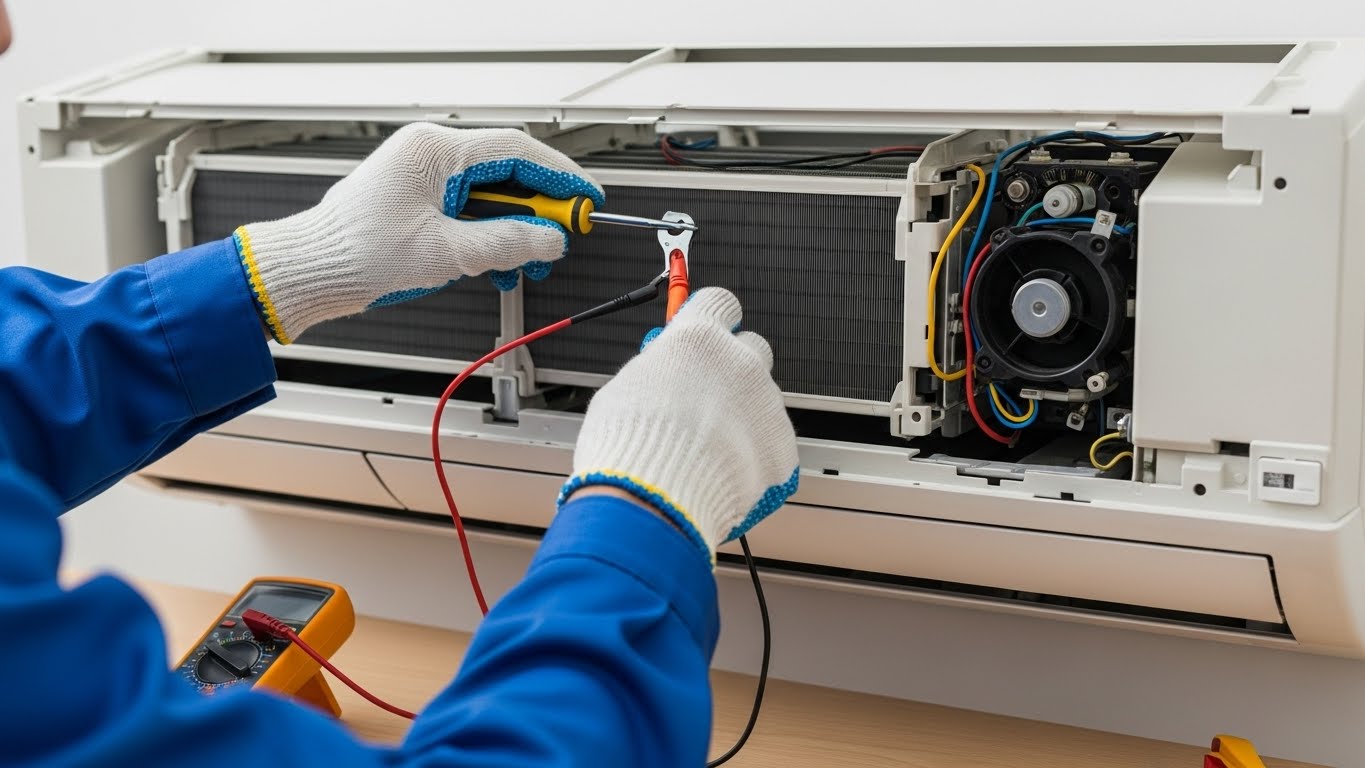
- Room for ductwork: the framing plan needs open space between floors and inside some walls for the ducts to pass through.
- Rooms you use at different times: a lower level or a bonus room over the garage often stays more comfortable on its own thermostat.
- Fresh air: newer homes are built tight to save energy, so many need a small system that brings in outside air.
How a New Construction HVAC Job Runs
Your builder’s framing and drywall dates set the pace, and the HVAC work fits around them.
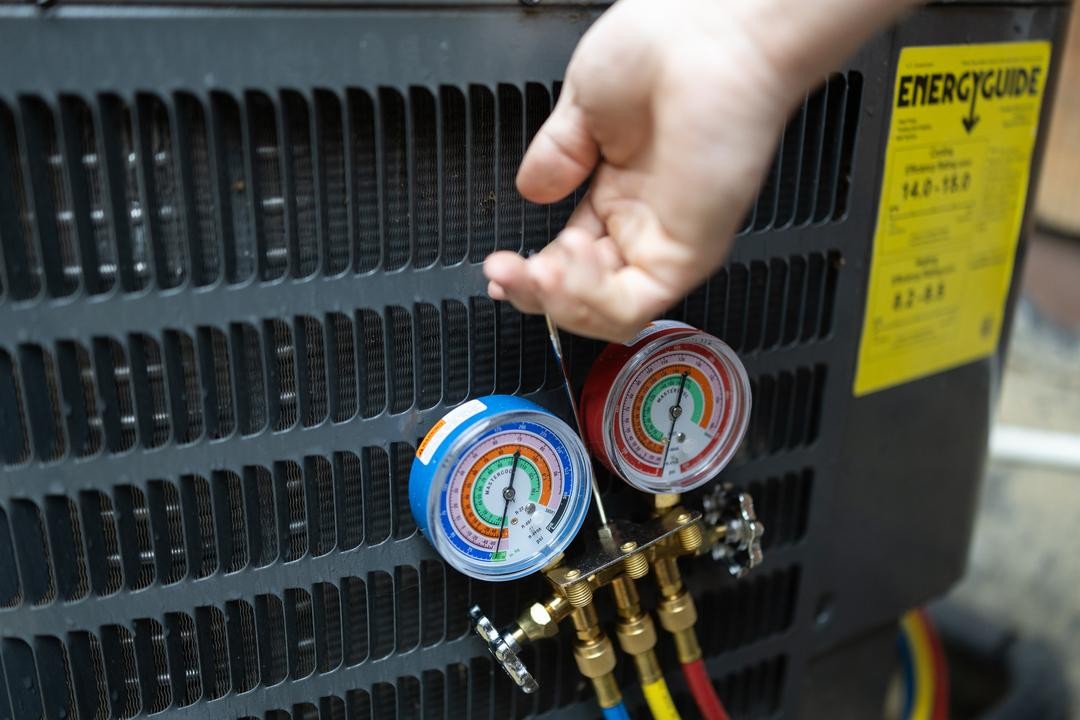
- We review the plans and run a room-by-room heating and cooling calculation, called a Manual J, to size the equipment.
- Next comes the layout for ducts, vents, and the furnace location, along with the permit.
- Once framing is done, the crew runs the ducts and lines through the open walls, and an inspector checks the work before insulation goes in.
- After the finishes are in, the crew sets the equipment and turns the system on. You get a walkthrough of the thermostat and filter.
Heating and Cooling Options for a New Home
Most new homes in northern areas are heated with a furnace and a duct system. What works best for you depends on the fuel available at your lot, the layout of the house, and how you plan to live in it.
Furnace with central air
How it works: A propane or natural gas furnace sends warm air through ducts, with an air conditioner for summer
Often a good fit for: Year-round homes
Heat pump with a furnace backup
How it works: An electric heat pump heats and cools in milder weather, and the furnace takes over in deep cold
Often a good fit for: Owners who want to burn less propane in spring and fall
Ductless mini-splits
How it works: Small wall units heat and cool individual rooms with no ductwork
Often a good fit for: Bonus rooms, heated garages, and small cabins
In-floor radiant heat
How it works: Warm water runs through tubing under the floor
Often a good fit for: Basements, slab floors, and rooms with tile
Our heat pump installation and ductless mini-split installation pages explain those two systems in more detail. If you’re still comparing, our post on whether a heat pump beats a furnace and AC lays out the tradeoffs.
How Much Does New Construction HVAC Cost in Gaylord?
The cost depends mostly on the size of the home, the type of system, and how many separate thermostats it has.
Home size
More rooms need more ductwork and a larger system
Type of system
A heat pump with furnace backup or in-floor heat costs more up front than a furnace alone
Separate thermostats
Each extra thermostat adds controls and dampers that steer the air
Central air
Adding cooling means an outdoor unit and the lines that connect it
Layout
Long runs to far rooms or a third floor add material and labor
Why Builders and Owners Choose Quality Comfort Pros for New Construction HVAC
Licensed for HVAC and Plumbing
Quality Comfort Pros holds Michigan HVAC license TALA000041E and Michigan plumbing contractor license R278210. Our new construction plumbing crew can work from the same schedule, so your builder has one company to call for both.
A Crew That Focuses on New Homes
New construction is handled by a dedicated new construction crew, separate from the technicians who run repair calls. That crew schedules its work around framing and drywall dates.
Service After You Move In
The same company can take care of furnace maintenance and repairs once you live there, with your installation records on file.
What Northern Michigan Homeowners Are Saying


Service Area
Serving Communities Across Northern Michigan
From Gaylord to Petoskey, Charlevoix, Grayling, and smaller communities throughout the region, Quality Comfort Pros serves year-round homes and seasonal properties with plumbing, air conditioning, heating, and related home services.
Choose your city for local service information and any city-specific repair pages available in that community.
New Construction HVAC Questions
Why does a newly built house feel damp in its first winter?
New lumber, concrete, and drywall give off moisture as they dry, and a tightly built house holds it in. It can show up as foggy windows or a musty smell during the first heating season.
Run the fresh air system as designed, leave any humidifier off, and use the bath and kitchen fans. If windows keep fogging after the first winter in your Gaylord home, have the humidity settings checked.
Why is the upstairs of my new home warmer than the main floor?
Warm air rises, so upper floors in a new two-story home often run a few degrees warmer, especially in summer. The airflow to each floor can be adjusted after you’ve lived in the house through a season.
Partly closing a few upstairs vents in winter and opening them in summer also helps. If the difference stays large, a technician can check the airflow room by room.
Can running the new furnace during construction damage it?
Yes, drywall dust and sawdust pulled through a furnace during finishing work can clog it and coat the inside of the new ducts. If the furnace has to heat the house before cleanup, it needs a filter in place and covered vents.
Put in a fresh filter before you move in. Ask your HVAC contractor how early use affects the equipment warranty before switching it on.
Does a building site without natural gas limit the HVAC options?
No, many rural lots around Gaylord heat with propane, and propane furnaces work much like natural gas models. The main extra step is picking a tank size and a spot for it that a delivery truck can reach in winter.
Every system on this page can run without natural gas. An all-electric home is also possible when the heating calculation supports it.
How long does HVAC installation take on a new home?
The work is split into two visits that happen weeks apart, timed to your builder’s schedule. For a typical home, each visit takes a few days, depending on the floor plan and the equipment.
The total timeline is set more by the build than by the HVAC work. Delays in framing or drywall move both visits.
What should be ready before the HVAC crew starts rough-in?
The framing should be finished, the roof on, and the space for the furnace cleared. The crew also needs the final floor plan, including any changes made during framing.
It helps if the electrician and plumber know the HVAC schedule, since all three trades work inside the same open walls. Ask your builder to share the dates with everyone.
Is central air worth adding to a new home in Northern Michigan?
For most new homes, yes, since cooling added during the build usually costs less than cooling added later. Summers up north are short, but humid stretches still make upstairs bedrooms uncomfortable.
If the budget is tight, ask about running the cooling lines now so an air conditioner can be added later without opening finished walls.
What should I do with a new HVAC system in its first year?
Register the equipment warranty right away, since manufacturers often require it within a set time after installation. Check the filter monthly and change it on the schedule the manufacturer lists.
Schedule a tune-up before your first full heating season in Gaylord, and keep the installation paperwork with your home’s records.
Start Planning Your New Home's Heating and Cooling
You don’t need finished blueprints to start the conversation. Share your floor plan or a rough sketch, and we’ll talk through system options for your new home.