Why a Northern Michigan Winter Makes Annual Maintenance Non-Negotiable
A furnace in Northern Michigan works hard through a long heating season. Repeated starts and extended use wear down the burners, fan, and parts that light the flame. A furnace that ran fine last winter can still develop problems before the next one.
Annual maintenance helps catch a clogged filter, a worn ignition part, or a loose exhaust connection before you lose heat on a single-digit night in Gaylord or a winter weekend at an Otsego Lake cottage. A tune-up gives us a chance to address those issues while your furnace is still working.
If you are already dealing with a heating problem, see our furnace repair page or reach out directly. Maintenance is the right step when the furnace is working and you want it to stay that way.
What Happens During a Furnace Tune-Up
Combustion and Heat Exchanger Inspection
The technician checks burner operation and inspects the heat exchanger for cracks or deterioration. A cracked heat exchanger is the most serious furnace finding, because it allows combustion gases to enter the living space. Catching it at a maintenance visit costs far less than an emergency call or, worse, missing it entirely.
Burner condition, flame color, and combustion efficiency are all reviewed. A yellow or flickering flame, rather than a steady blue one, tells a technician the combustion mixture or the burner itself needs attention. This is a finding that maintenance regularly surfaces on furnaces that appear to be running normally.
Safety Controls and Venting
We test the furnace’s safety switches and controls to make sure they shut the system off when needed. A faulty switch can allow unsafe operation or stop the furnace too soon, causing it to turn on and off repeatedly.
The venting system is inspected for obstructions, corrosion, or disconnected sections. On high-efficiency furnaces with PVC venting, the outdoor termination is checked for ice or debris buildup, which is a real seasonal risk in Northern Michigan. On standard-efficiency units, the flue and any chimney connection are reviewed.
Electrical, Blower, and Filter
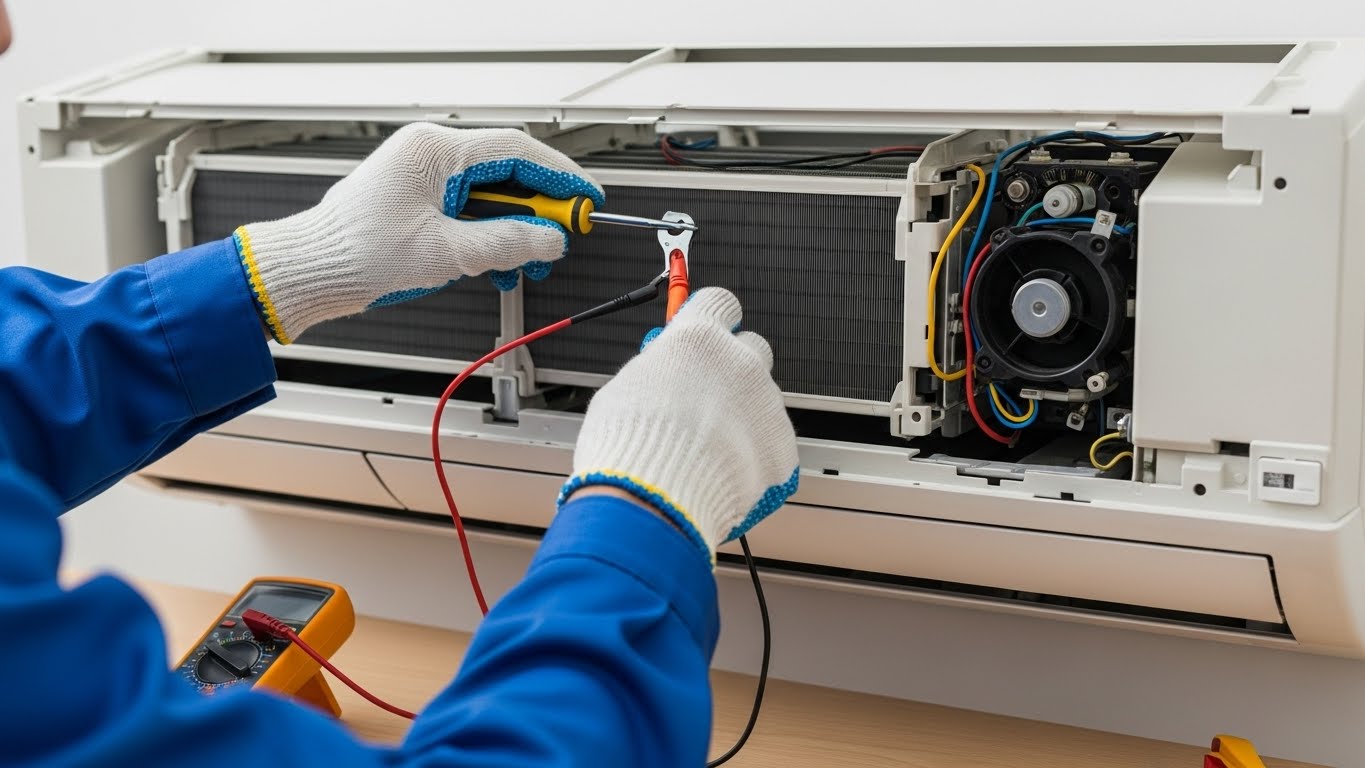
We tighten electrical connections and check for overheating or sparking. When accessible, we test the part that helps the fan motor start and run. We also check whether the motor is using more electricity than it should, which can signal wear. The air filter is inspected and replaced if clogged to help maintain airflow and protect the system.
Before leaving, the technician checks that the thermostat starts and stops the furnace correctly and runs the system through a complete heating cycle.
When to Schedule and What to Do Before the First Startup
The best time for a furnace tune-up in Northern Michigan is September or early October, before the heating season gets underway. Scheduling early means the furnace is serviced while the weather still allows a short wait if a part is needed. It also means the first cold stretch of the year does not catch an uninspected furnace off guard.
Before turning on the furnace in fall, check the filter and replace it if dirty. Make sure vents are open and clear of furniture or rugs. Closing vents in unused rooms or blocking the vents that draw air back into the system restricts airflow and makes the furnace work harder. For a seasonal home that sat unused through summer, schedule a startup check before you arrive.
October through November is a workable window, though scheduling gets tighter as the season progresses. A tune-up visit that starts the furnace for the first time in fall sometimes surfaces issues that would have triggered a repair call within weeks. That kind of early catch costs the same as a routine tune-up.
The First-Heat Smell: Normal or a Warning Sign
Most furnaces produce a brief burning smell when they run for the first time in the fall. Dust accumulates on the heat exchanger and in the burner compartment over the summer, and that dust burns off during the first cycle or two. The smell is temporary and should clear within an hour or less.
A smell that persists beyond the first few cycles, smells like burning plastic or rubber rather than dust, or comes on suddenly after the furnace has been running for weeks is a different situation. Burning plastic or melting insulation points to an electrical problem. A persistent metallic or chemical smell may indicate a component that is overheating. Those smells warrant shutting the furnace down and calling for a repair.
A sulfur or rotten egg smell near the furnace or gas line is not a furnace smell at all. It signals a gas leak and requires leaving the home, not touching any switches, and calling the gas utility. A furnace tune-up includes a check of accessible gas connections, but that type of smell needs an immediate response, not a scheduled visit.
Filter Replacement: The One Maintenance Task Homeowners Control
The air filter is the single most impactful item a homeowner manages between service visits. A clean filter protects the blower motor and heat exchanger from debris and keeps airflow at the level the system needs to operate correctly. A clogged filter forces the blower to work harder, raises operating temperatures, and over time can cause the heat exchanger to overheat and crack.
How often you replace the furnace filter depends on its thickness, how much the system runs, and whether you have pets. Follow the filter manufacturer’s guidance and check it more often during heavy use. Thicker filters may last longer, but they need a filter compartment designed to hold them.
Appearance alone does not tell you whether a filter needs changing. If less air is coming from your vents, check the filter first. Replacing a dirty filter may restore airflow without a furnace repair.
How Maintenance Affects Your Heating Bills
A well-maintained furnace uses fuel more efficiently than one that has gone years without service. Partly blocked burners, buildup or rust on heating surfaces, and a fan pushing air through a dirty filter can all make the system work harder. That wasted energy can add to heating costs throughout a Northern Michigan winter.
The efficiency gains from a single tune-up are not dramatic on a newer furnace in good condition. On an older furnace that has not been serviced in several years, the difference can be more meaningful, enough to offset the cost of the visit within a few months of winter billing.
Maintenance also extends equipment life. A furnace that is tuned annually tends to reach and sometimes surpass its rated service life. One that runs with accumulated wear often fails before it should. For a unit approaching replacement age, see our furnace installation page for guidance on when the math tips toward replacement.
Furnace Warranties and the Maintenance Requirement
Your furnace warranty may require regular professional maintenance. Requirements vary by brand and model, and missed service could affect coverage for certain repairs. Check your warranty terms to understand what is required and which costs are covered.
Keep your service receipts in case the manufacturer requests maintenance records. If you are unsure what your warranty requires, review the paperwork that came with your furnace. Our team can also help clarify the maintenance requirements for your equipment.
What a Maintenance Visit Catches Before Winter
Weak Igniter on a Gaylord Home
During a fall tune-up on a nine-year-old furnace in Gaylord, the technician measured the igniter draw and found it running low. The igniter had not failed yet, but it was within the range where a cold startup in January would have pushed it over. The homeowner had the igniter replaced at the tune-up visit, avoiding a no-heat call mid-season.
Restricted Filter and Overheating Limit Switch Near Petoskey
A seasonal home near Petoskey had been left on low heat through the previous winter without a filter change. By fall, the filter was almost completely blocked. The blower motor was drawing high amperage and the high-limit switch had tripped repeatedly, which the homeowner had interpreted as short cycling. A filter replacement and limit switch reset resolved both problems at a single maintenance visit.
PVC Vent Obstruction Before First Run of Season
A homeowner in Cheboygan County called for a fall tune-up before opening a cabin that had sat closed since March. The outdoor PVC vent termination had a wasp nest in the exhaust pipe, fully blocking combustion air intake. The furnace would not have ignited safely. The technician cleared the obstruction, confirmed the venting, and completed the full tune-up before the first heat demand of the year.
What Northern Michigan Homeowners Are Saying


Service Area
Serving Communities Across Northern Michigan
From Gaylord to Petoskey, Charlevoix, Grayling, and smaller communities throughout the region, Quality Comfort Pros serves year-round homes and seasonal properties with plumbing, air conditioning, heating, and related home services.
Choose your city for local service information and any city-specific repair pages available in that community.
Furnace Maintenance and Tune-Up: Common Questions
How often should a furnace be serviced?
Once a year is the standard for gas and propane furnaces. A Northern Michigan heating season runs from late October through April, putting more hours on the system than a milder climate would. Seasonal properties may extend to every other year, but only after an initial inspection confirms the system is in good condition.
What does a furnace tune-up include?
A tune-up covers combustion inspection, heat exchanger review, safety control testing, venting check, electrical connections, blower assessment, and filter replacement. The technician runs a full heating cycle before finishing.
How long does a furnace tune-up take?
Most furnace tune-ups take one to two hours. A straightforward visit on a furnace in good condition runs toward the shorter end. A system that has not been serviced in several years, or one where something needs attention, takes longer. If a part needs to be replaced at the same visit, expect additional time depending on what the repair involves.
Why does my furnace smell when it first turns on in the fall?
Dust collects on the heat exchanger and in the burner compartment over summer. When the furnace runs for the first time, that dust burns off and produces a brief burning smell. It typically clears within an hour. A smell that persists, smells like burning plastic, or returns after weeks of use is not normal and warrants a service call.
Is it too late for a furnace tune-up once winter starts?
No. A tune-up in December or January is better than skipping it. The visit is more urgent then, not less, because the furnace is running daily under real demand. Scheduling may be tighter in peak season, so call ahead. A technician who finds something at a midwinter visit can often address it at that appointment, which is the point.
Can a tune-up lower my heating bills?
It can, particularly on a furnace not serviced in several years. Dirty burners, a restricted filter, and a worn blower all reduce efficiency. Correcting them helps the system run closer to rated output. The gain on a newer furnace is modest. On an older unit running below its potential, the savings over a Northern Michigan heating season can be meaningful.
Do furnace warranties require maintenance?
Most do. Manufacturer warranties on gas furnaces typically require documented annual professional service to remain valid. Terms vary by brand, but missing years can void coverage on a heat exchanger or parts warranty that would otherwise cover an expensive repair. Keep the service receipts. Some claims require documentation from every year back to the install date.
Does a furnace tune-up include a safety check?
Yes. Combustion safety is part of every tune-up. The technician checks the heat exchanger for cracks, tests safety controls, inspects venting for blockages or disconnections, and confirms the gas valve and burner assembly are working correctly. These checks are not add-ons. They are the reason annual maintenance matters in a climate where the furnace runs hard for six months.
Related Heating Services
Heating Services Overview
All heating services for Northern Michigan homes
Furnace Repair
When the furnace needs more than maintenance
Furnace Installation and Replacement
When replacement is the right call
Heating Maintenance Plans
Annual care for your heating system
Schedule Your Fall Furnace Tune-Up
Furnace maintenance is one of the more straightforward investments a Northern Michigan homeowner can make heading into winter. One visit, once a year, before the heating season is underway keeps the system running safely, protects the warranty, and catches small problems before they grow. Our technicians have been servicing heating systems across Gaylord, Petoskey, Cheboygan, and the surrounding region since 1997.
See what Northern Michigan homeowners say about our service, then reach out to schedule. Ask about our heating maintenance plans for coverage that goes beyond the annual tune-up.
Call (989) 778-9270 or visit our contact page to book your furnace tune-up.