Why HVAC Maintenance Is the Smartest Thing You Can Do for Your Home
HVAC maintenance is the regular upkeep of your home’s heating, ventilation, and air conditioning system to keep it running safely and efficiently year-round.
Quick answer: What does HVAC maintenance involve?
- Replace air filters every 1 to 3 months to maintain airflow and air quality
- Clean outdoor units and keep at least 18 inches of clearance around them
- Schedule professional tune-ups twice a year, ideally in spring for cooling and fall for heating
- Check thermostat settings seasonally to ensure accurate temperature control
- Inspect condensate drain lines to prevent water damage and humidity issues
- Have a technician check refrigerant levels, electrical connections, and gas lines annually
- Listen for warning signs such as unusual noises, inconsistent temperatures, or rising energy bills
Most homeowners don’t think about their HVAC system until something goes wrong. But by then, a minor issue has often grown into a costly emergency. Research shows that reactive repairs can cost four to eight times more than routine preventive maintenance. In a place like Northern Michigan, where winters are long and heating systems work hard for months at a stretch, that gap can mean the difference between a simple fall tune-up and a mid-January breakdown when you need your furnace most.
The good news is that keeping your system healthy doesn’t have to be complicated. A handful of simple habits, combined with regular professional service, can extend your equipment’s life by years, lower your monthly energy bills, and protect your family’s indoor air quality.
I’m JD Osman, and through my work at Quality Comfort Pros I’ve seen how a little attention to HVAC maintenance prevents the kinds of breakdowns that leave Northern Michigan families without heat in the middle of winter. Let’s walk through exactly what you can do, starting today.
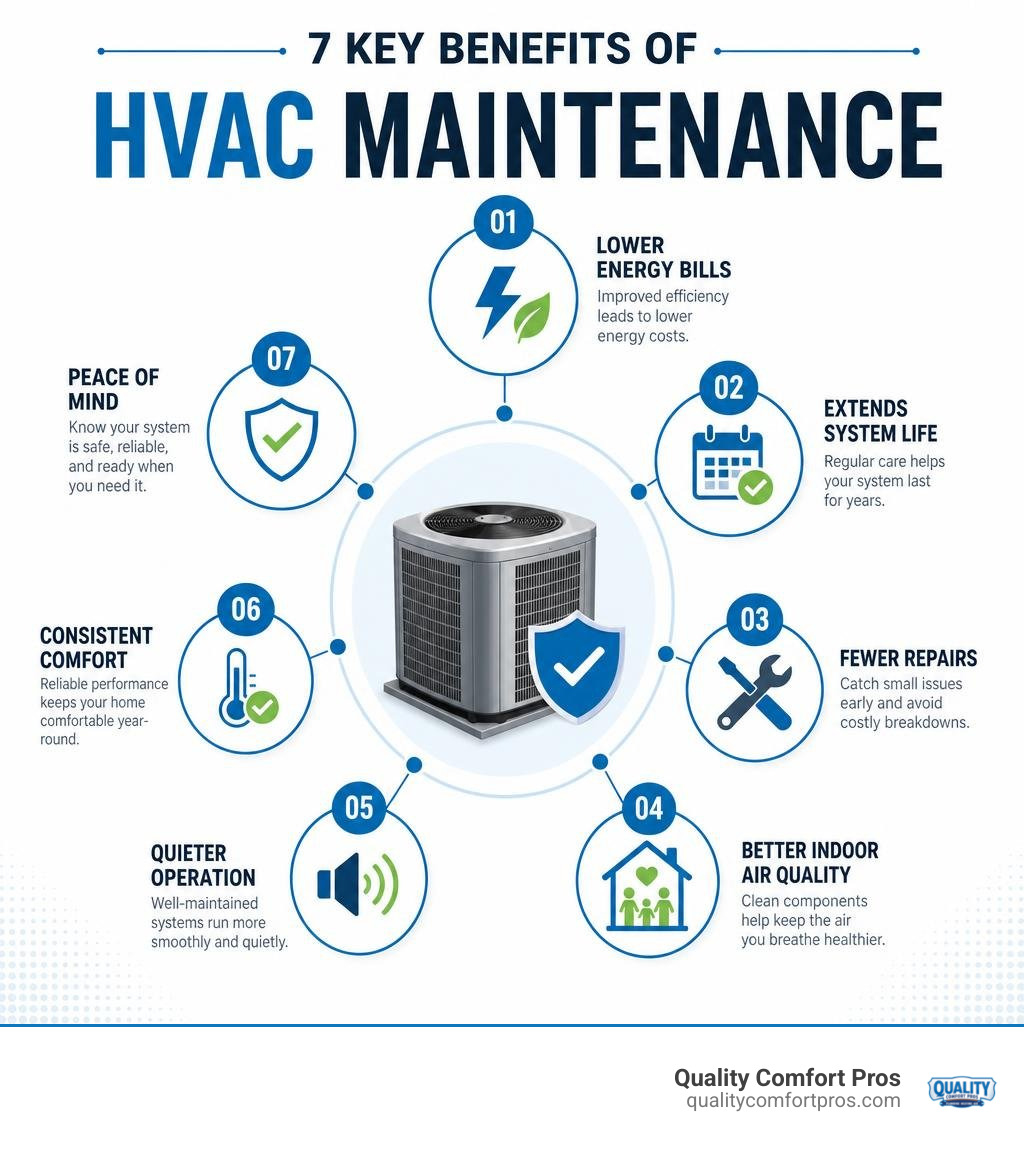
Explore more about HVAC maintenance:
Why Regular Heating and Cooling Tune-Ups Matter
Skipping seasonal upkeep is the leading cause of premature system failure. Your heating and cooling equipment functions as the lungs of your home, constantly circulating air, balancing humidity, and filtering out airborne irritants. When dirt and neglect accumulate, the entire system must work harder to achieve the same temperature goals.
Investing in regular HVAC maintenance delivers several compounding benefits:
- Extended Equipment Lifespan: A lack of routine care can reduce the operational lifespan of an HVAC unit by 8 to 15 years. Conversely, structured preventive maintenance can extend major equipment life by 30% to 40%. Given that a full replacement is a significant investment, those extra years of service keep substantial money in your pocket.
- Lower Utility Bills: Dirt and restricted airflow force your system to draw more power. A well-maintained heating and cooling system can achieve up to 30% energy savings through proper filtration, clean coils, and precise control optimization.
- Fewer Emergency Repairs: Up to 80% of all heating and cooling breakdowns are entirely preventable. Regular tune-ups identify small issues, such as a failing capacitor or a loose electrical connection, before they escalate. Transitioning from reactive repairs to planned preventive care reduces emergency call-out frequency by up to 65%.
- Improved Indoor Air Quality: Dust, pet dander, mold spores, and pollen gather inside your ductwork and coils. Clean, well-maintained systems filter these particles out more effectively, which is vital during our tightly sealed winter months in Northern Michigan.
To protect your home before the cold weather settles in, it is wise to establish a consistent schedule for winter HVAC maintenance for consistent heat to ensure your heating system is prepared for freezing temperatures.
The Ultimate Guide to DIY HVAC Maintenance
While highly technical calibrations require a professional, there are several straightforward tasks you can manage on your own. Engaging in basic DIY care keeps your system running smoothly between professional visits and protects your home from sudden efficiency losses.
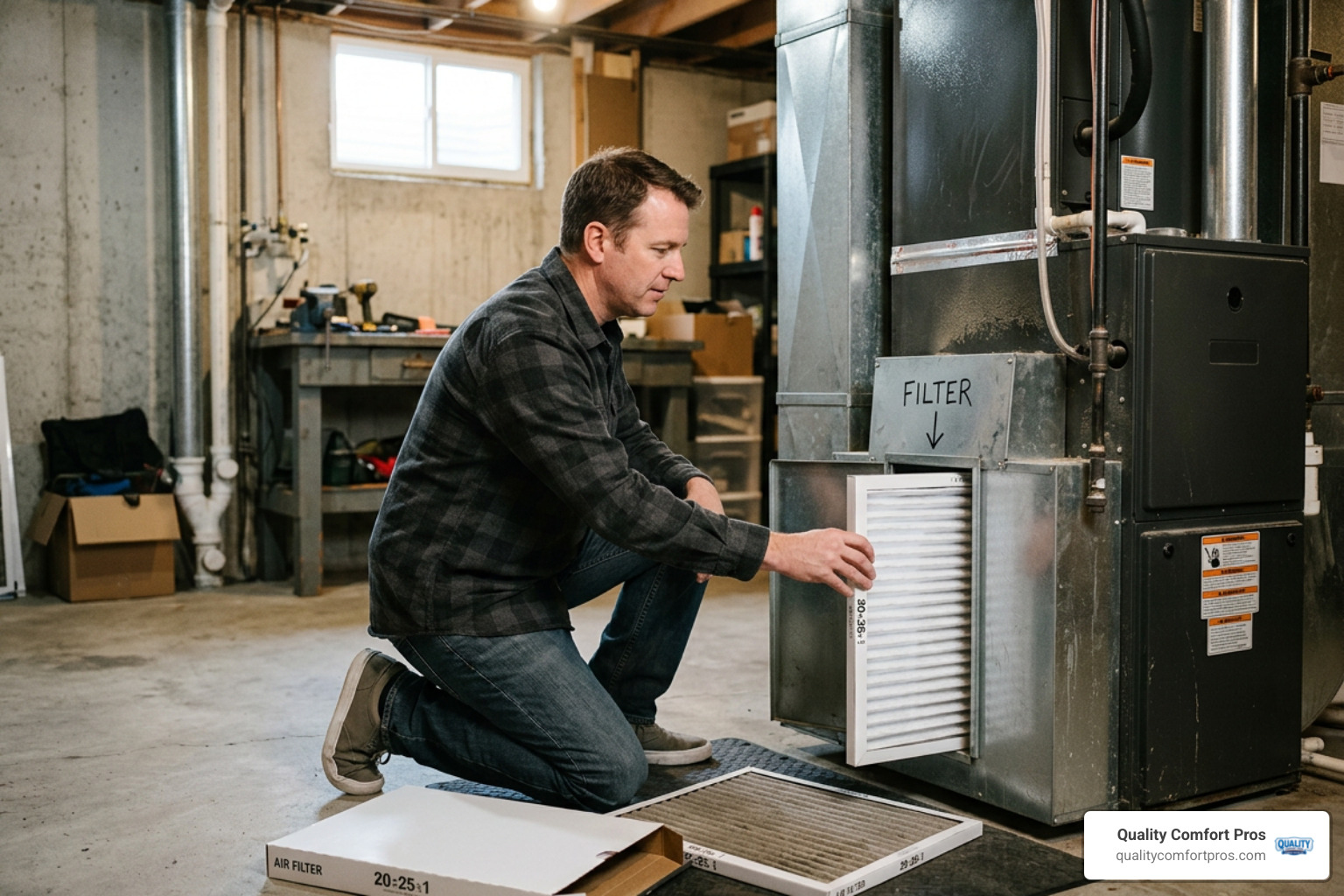
7 Easy Changes for Homeowners
By incorporating these seven simple habits into your household routine, you can optimize your indoor comfort and protect your equipment from unnecessary wear.
1. Commit to Regular Filter Replacements
Your air filter is your system’s first line of defense. A dirty filter chokes off airflow, forcing the blower motor to run hotter and consume more electricity. Inspect your filter monthly and replace it every 1 to 3 months. If you have pets, allergies, or a dusty environment, you may need to change it more frequently. When choosing a filter, highly rated MERV filters capture more contaminants but can sometimes restrict airflow if your system is not designed for them.
2. Maintain Outdoor Unit Clearance
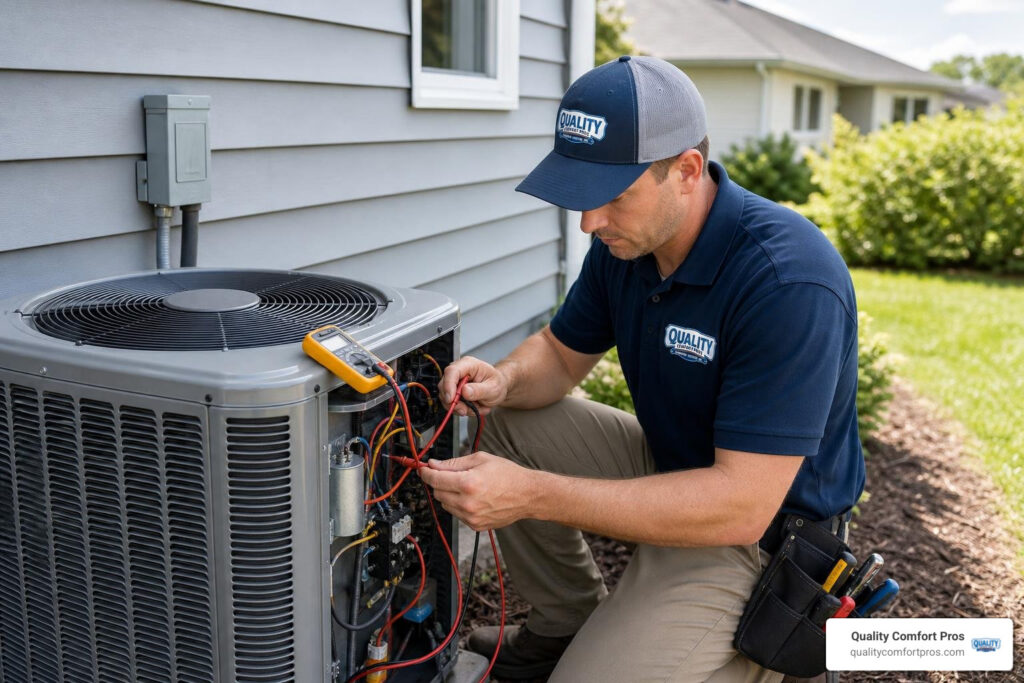
Your outdoor condenser unit needs to breathe to release heat efficiently. Keep plants, shrubs, weeds, and stacked firewood at least 18 inches away from the metal cabinet. Sweep away fallen leaves, grass clippings, and twigs that accumulate against the exterior fins.
3. Keep Registers and Return Vents Clean
Walk through your home and ensure that supply registers and return air vents are completely unobstructed by furniture, heavy drapes, or rugs. Vacuum away visible dust and pet hair from the grilles to keep air flowing freely. Airflow restrictions can reduce overall system efficiency by up to 15%.
4. Perform Regular Visual Inspections
Every few weeks, take a quick look at your indoor and outdoor equipment. Check the visible ductwork in your basement or utility room for obvious gaps or loose tape. Look for water pooling around the indoor furnace or boiler cabinet, which can indicate a clogged condensate line.
5. Optimize Thermostat Settings
Set up seasonal schedules on your thermostat. Setting your temperature back by 7 to 10 degrees for eight hours a day, such as when you are asleep or away at work, can save up to 10% a year on heating and cooling costs. If you still use an old manual thermostat, upgrading to a smart model can automate this process and prevent energy waste.
6. Inspect the Condensate Drain Line
Your air conditioner and high-efficiency furnace produce water as they run. This water drains out through a small plastic pipe. If this line gets plugged by algae or debris, water can back up, causing significant water damage to your walls, ceilings, or the system itself. Inspect the exit point of the drain line to ensure water is flowing freely when the system is running.
7. Seal Accessible Duct Gaps
Leaky ducts in unconditioned spaces like crawlspaces or attics waste precious heated or cooled air. Use specialized mastic sealant or foil tape to seal visible joints in your ductwork. Avoid using standard gray cloth duct tape, as the adhesive dries out and fails quickly under temperature fluctuations.
For a complete seasonal checklist tailored to our unique regional climate, refer to the complete seasonal HVAC preparation guide for northern michigan to keep your home comfortable through every seasonal transition.
Professional vs. DIY Care: When to Call the Pros
It is important to recognize where homeowner tasks end and professional expertise must begin. Attempting to service complex electrical circuits, handle chemical refrigerants, or adjust gas valves without proper licensing and tools can lead to system damage, voided manufacturer warranties, or serious safety hazards.
| Maintenance Task | DIY Homeowner | Professional Technician | Why It Requires a Professional |
|---|---|---|---|
| Filter Replacement | Yes | Yes | Simple slide-in process; no tools required. |
| Clearing Debris | Yes | Yes | Keeping the outdoor unit clear of leaves and twigs. |
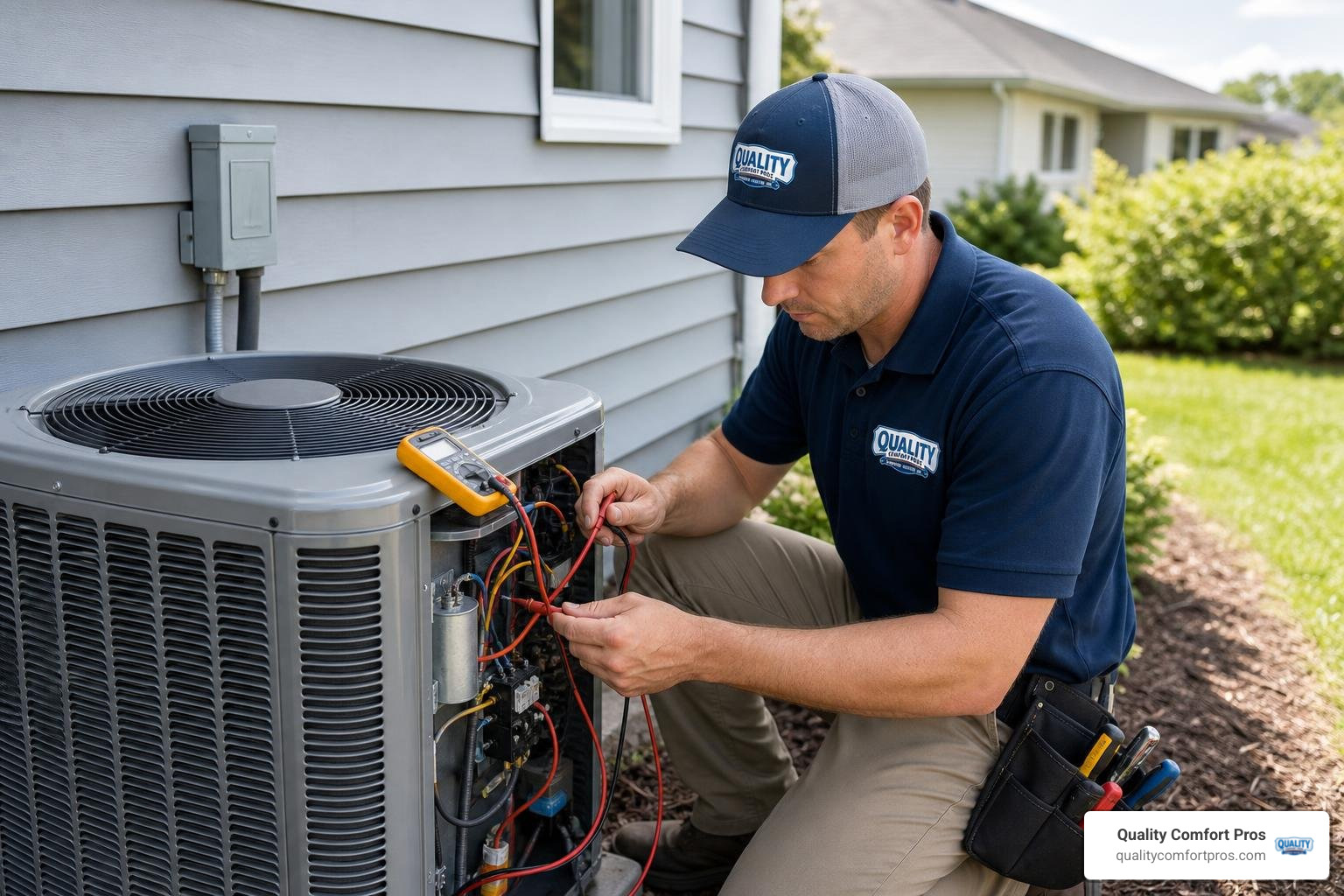
| Electrical Testing | No | Yes | High voltage poses electrocution risks; requires a multimeter to test capacitors. |
| Refrigerant Checks | No | Yes | Regulated by federal law; requires specialized gauges and leak detection. |
| Heat Exchanger Inspection | No | Yes | Requires specialized cameras to detect microscopic cracks that leak carbon monoxide. |
| Burner and Ignition Tuning | No | Yes | Requires combustion analysis to prevent incomplete gas combustion. |
The Benefits of Professional HVAC Maintenance
When a certified technician performs a comprehensive tune-up, they do more than just clean the surface. They run diagnostic tests that measure the electrical current, verify safety limits, and calibrate the system to operate at peak efficiency.
Most equipment manufacturers require documented annual professional maintenance to keep your warranty active. If a major component like a compressor or heat exchanger fails within the warranty window, the manufacturer may deny coverage if you cannot provide proof of regular professional service.
For specialized, brand-compatible care, scheduling professional AC maintenance in the spring and professional heating maintenance in the fall ensures your home remains comfortable and safe regardless of the weather outside.
What to Expect During a Professional Tune-Up
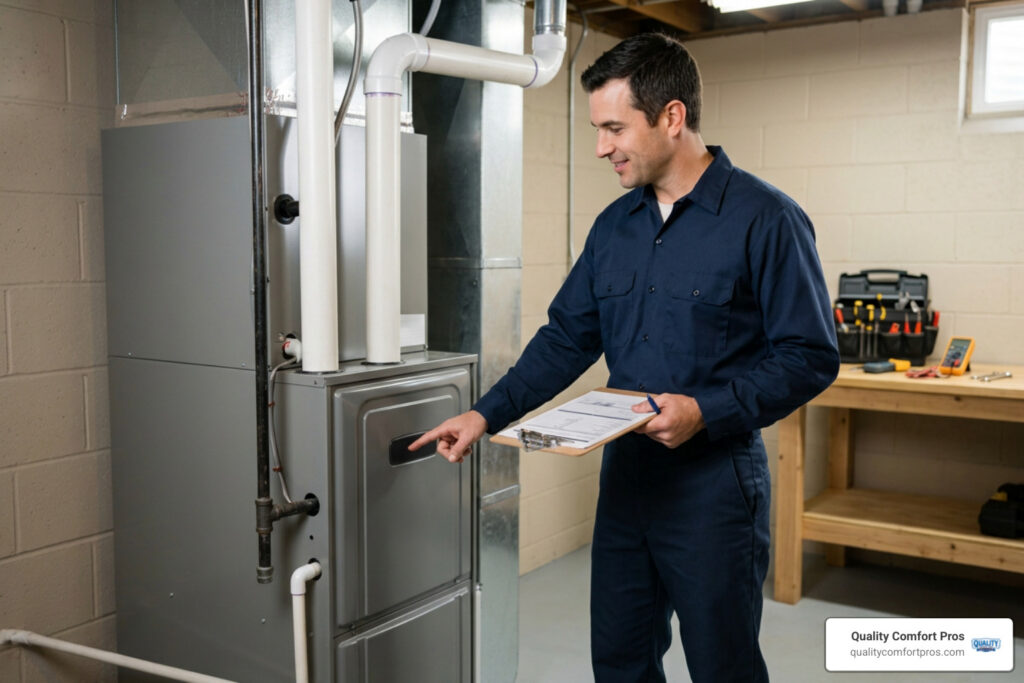
A professional maintenance visit is a systematic, highly technical process. When a technician from Quality Comfort Pros arrives at your home, they follow a rigorous protocol to verify every aspect of your system’s performance.
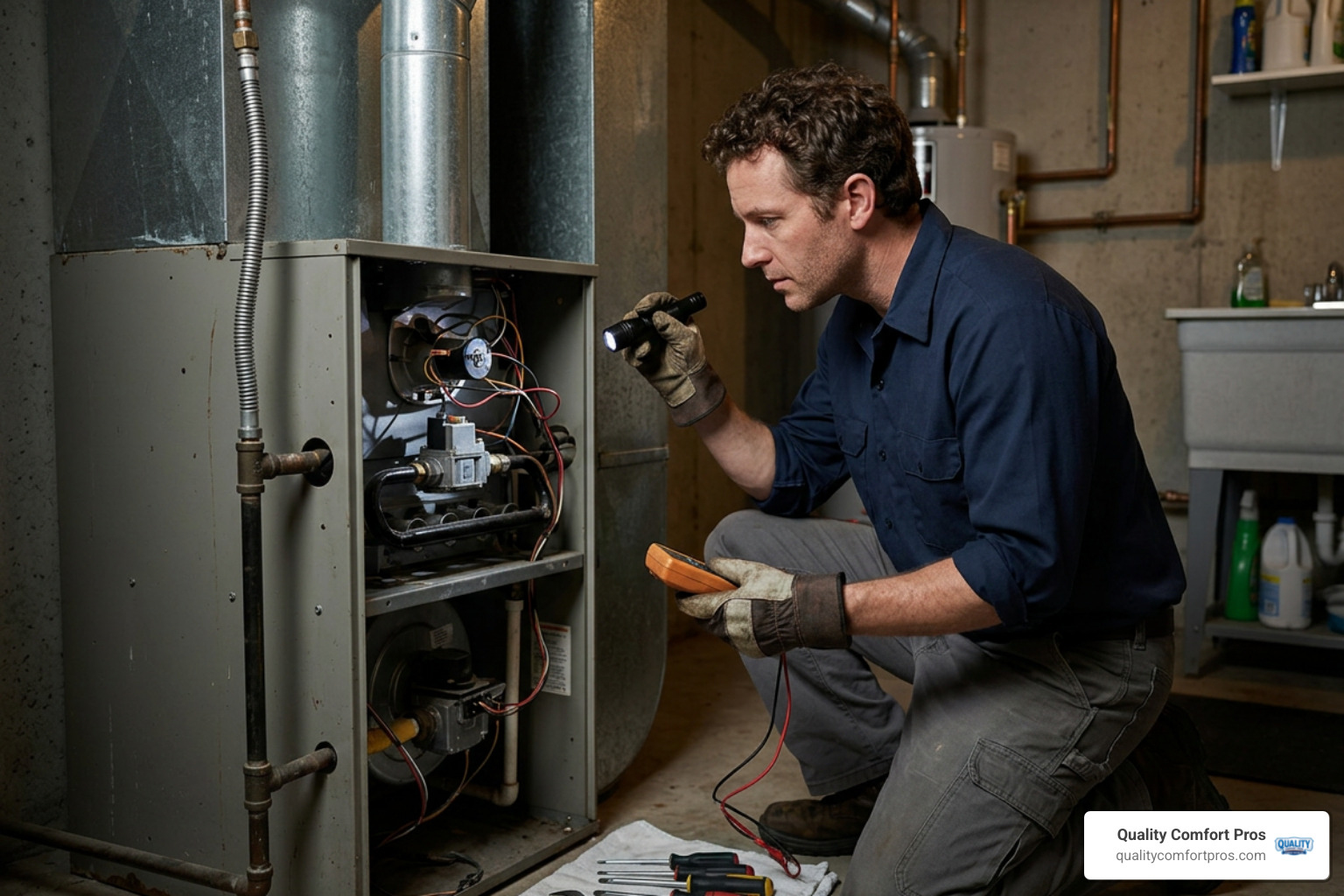
During a standard visit, you can expect the technician to perform the following critical tasks:
- Electrical Component Testing: The technician will tighten all loose electrical connections and measure the voltage and current on motors. Faulty electrical connections are a common cause of system failure and can significantly shorten the lifespan of major components.
- Coil Cleaning: Dirty evaporator and condenser coils reduce your system’s ability to transfer heat. This forces the compressor to run longer and hotter, increasing your energy bills. The technician will clean these coils to restore optimal heat transfer.
- Blower Assembly Adjustment: Proper airflow is essential for comfort and system health. The technician will clean and adjust the blower motor and fan blades to ensure correct air distribution throughout your home.
- Safety Control Verification: Technicians test all safety switches, including limit controls and pressure switches, to ensure the system will shut down safely if an unsafe condition occurs.
- Combustion and Fuel Line Analysis: For gas and oil systems, the technician will inspect fuel lines, test gas pressure, and examine the heat exchanger for cracks or corrosion. This is a critical safety step to prevent carbon monoxide from entering your indoor air.
To understand the full depth of these technical evaluations, you can review the ultimate HVAC preventive maintenance checklist (2026) for an in-depth look at professional standards.
How to Choose an HVAC Maintenance Plan
Many homeowners find that enrolling in a structured service agreement is the easiest way to stay on top of seasonal tune-ups. Rather than trying to remember to schedule service every spring and fall, a maintenance plan automates your scheduling and often includes valuable membership perks.
When comparing maintenance plans, look for options that offer comprehensive benefits:
- Priority Scheduling: If your system breaks down during a peak summer heatwave or a freezing winter storm, plan members are moved to the front of the service line.
- Discounted Repairs: Many agreements provide a percentage off any parts or labor required to fix issues discovered during a tune-up.
- Waived Diagnostic Fees: Some plans waive standard trip charges or diagnostic fees if you require an unscheduled service call.
- Detailed Service History: A consistent record of professional care is highly valuable if you decide to sell your home, as it proves to home inspectors and buyers that the system has been well cared for.
Frequently Asked Questions About Home Comfort Systems
How often should homeowners schedule system tune-ups?
You should have your HVAC system professionally serviced twice a year. Schedule your air conditioning tune-up in the spring before the summer heat arrives, and your heating system tune-up in the late summer or early fall before the first cold snap. If you use a dual-fuel system or a heat pump that runs year-round, biannual maintenance is especially important.
What does a typical professional tune-up visit include?
A professional tune-up includes a comprehensive inspection, cleaning, and safety review. The technician will test electrical connections, clean the indoor and outdoor coils, inspect the condensate drain line, verify thermostat calibration, lubricate moving parts, and perform critical safety checks on gas connections and heat exchangers.
What are the main benefits of regular system upkeep?
The key benefits include lower monthly utility bills, a reduced risk of unexpected breakdowns, better indoor air quality, and consistent comfort. Regular care also helps extend the overall lifespan of your equipment by several years and keeps your manufacturer warranty valid.
What are the differences between DIY tasks and professional service?
Homeowners can safely replace air filters, clear debris from around the outdoor unit, and keep vents clean. Professional service requires specialized diagnostic tools and training to safely handle high-voltage electrical components, test for carbon monoxide leaks, manage chemical refrigerants, and perform precise combustion analysis.
How do service agreements compare to one-time tune-ups?
While a one-time tune-up addresses your immediate seasonal needs, a service agreement automates your ongoing maintenance schedule. Agreements typically offer better long-term value by including benefits like priority emergency scheduling, discounts on repairs, waived service fees, and loyalty credits toward future equipment replacements.
What are the signs that your system needs repair?
Common warning signs include unusual banging or squealing noises, inconsistent temperatures from room to room, frequent cycling on and off, unexpected spikes in your utility bills, and strange odors when the system starts. If you notice any of these signs, it is best to call a professional before the issue worsens.
How does regular care affect system efficiency and utility bills?
When dirt accumulates on coils and filters, your system must work harder and run longer to heat or cool your home. Regular cleaning and calibration restore proper airflow and heat transfer, allowing the system to consume less electricity and fuel, which directly lowers your monthly energy bills.
What safety checks are performed during a professional visit?
Technicians perform several vital safety checks, including testing for hazardous gas leaks along fuel lines, measuring carbon monoxide levels in the flue and living spaces, inspecting the heat exchanger for microscopic cracks, and verifying that all automatic safety shut-off switches are operating correctly.
How should homeowners choose between different service plans?
Look for a reputable local provider with certified technicians and positive customer reviews. Choose a plan that covers both heating and cooling systems, offers clear pricing, and includes tangible benefits such as priority scheduling, repair discounts, and a guarantee on the work performed.
Is maintenance really necessary for a brand-new system?
Yes. Even brand-new systems require regular maintenance to operate at their rated efficiency and prevent minor installation or settlement issues from causing early wear. Furthermore, almost all manufacturers require documented annual professional maintenance to keep your equipment warranty active.
Conclusion
Taking a proactive approach to your home’s heating and cooling system is one of the most practical decisions you can make as a homeowner. By executing simple DIY habits, such as replacing your air filters regularly and keeping your outdoor unit clear of debris, you protect your system from everyday wear. When you partner those habits with professional seasonal tune-ups, you secure lower utility bills, cleaner indoor air, and peace of mind through our demanding Northern Michigan winters.
At Quality Comfort Pros, we have provided reliable, expert, family-owned solutions across Northern Michigan for 28 years. Serving communities from Gaylord, MI and Grayling, MI to Petoskey, MI and Charlevoix, MI, our certified technicians bring all-brand compatibility to every home. We understand the unique demands our climate places on your equipment, and we are dedicated to keeping your home safe and comfortable through every season.
To simplify your home maintenance and enjoy year-round peace of mind, join our membership program today or contact Quality Comfort Pros to schedule your professional HVAC maintenance service.