Why Generator Repair Matters for Northern Michigan Homeowners
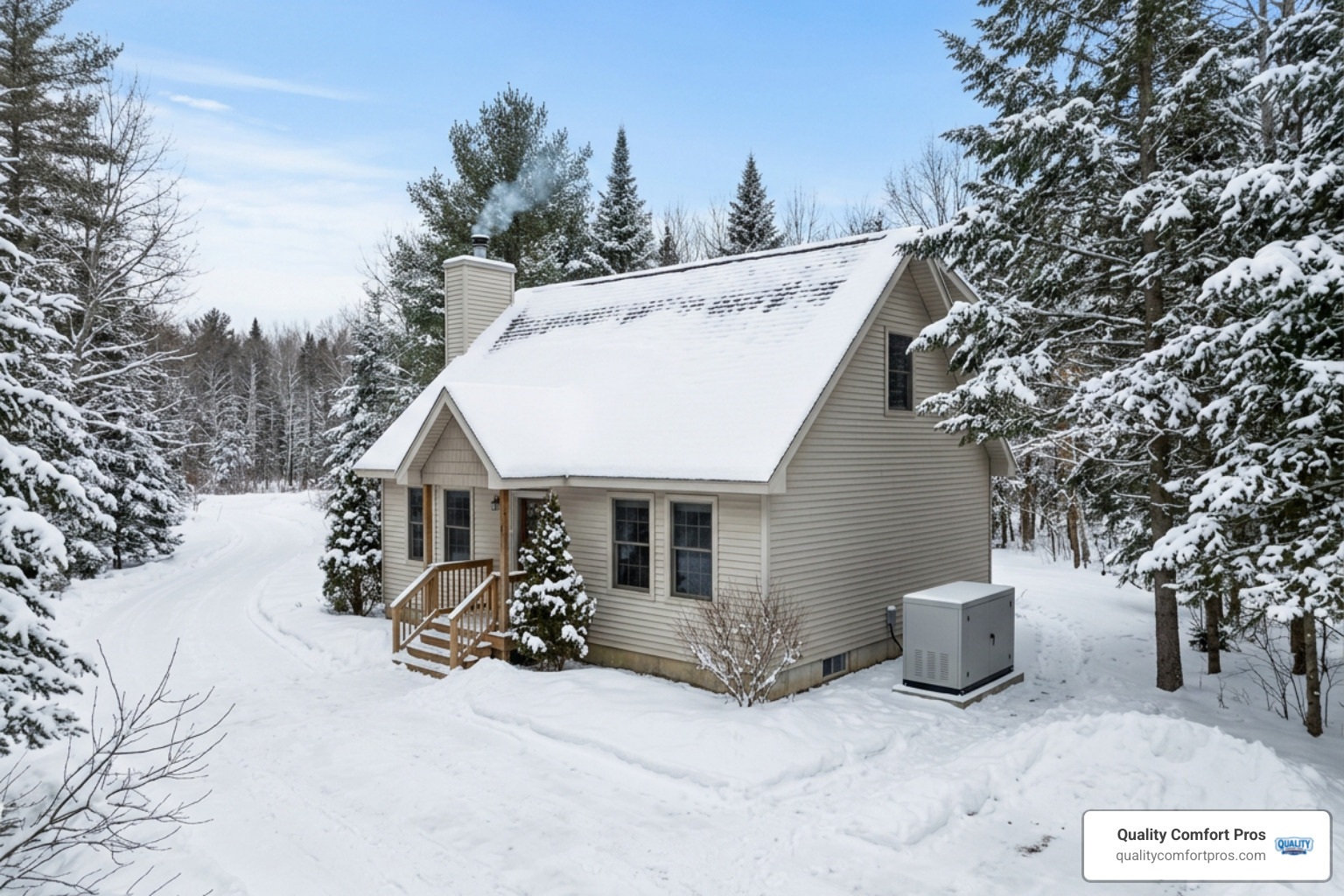
When your backup power system stops working, finding reliable generator repair service fast can make the difference between staying safe and warm or facing a serious emergency, especially during a Northern Michigan winter storm.
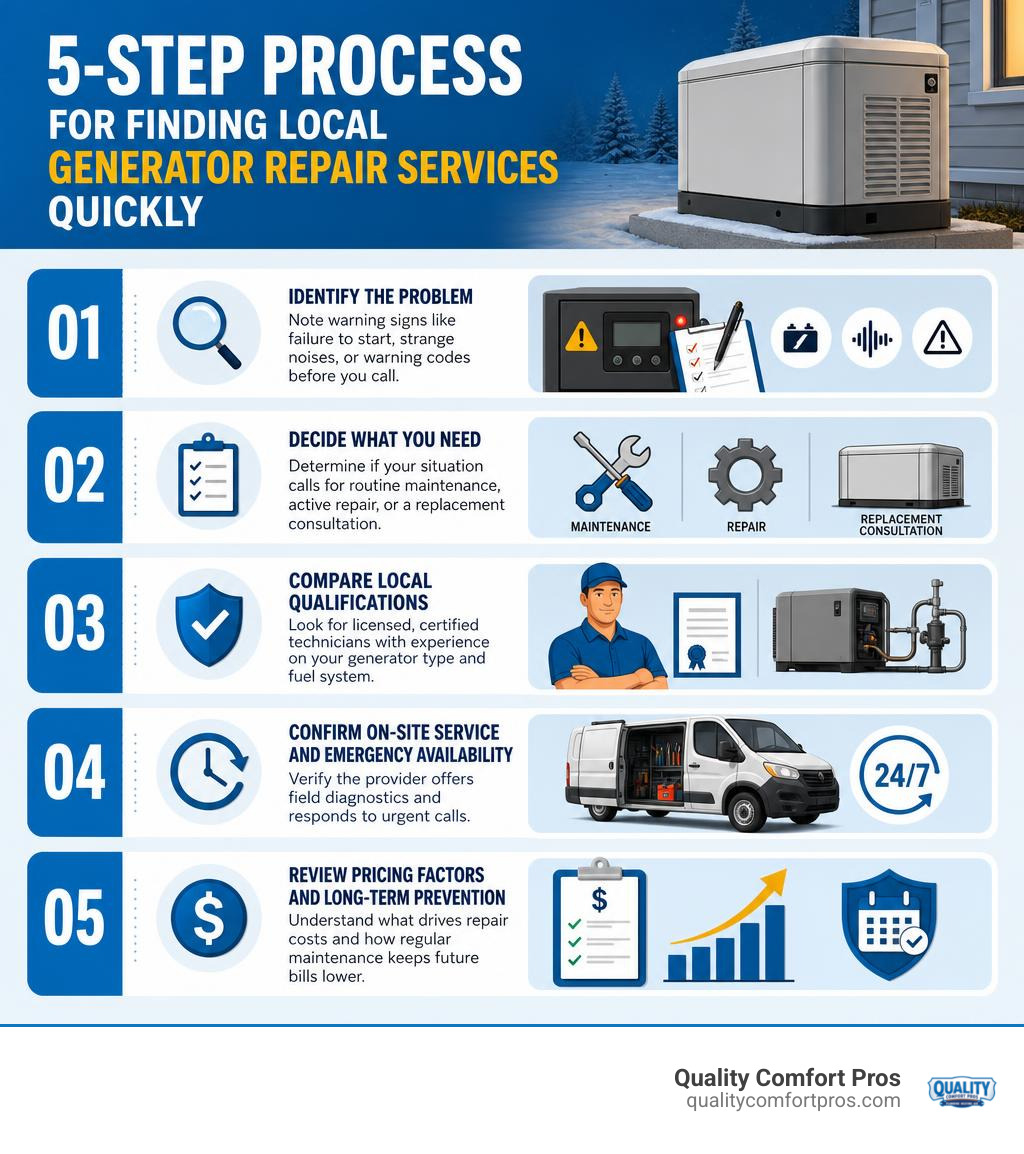
Quick Answer: How to Find Local Generator Repair Services in 5 Steps
- Identify the problem: Note warning signs like failure to start, strange noises, or warning codes before you call
- Decide what you need: Determine if your situation calls for routine maintenance, active repair, or a replacement consultation
- Compare local qualifications: Look for licensed, certified technicians with experience on your generator type and fuel system
- Confirm on-site service and emergency availability: Verify the provider offers field diagnostics and responds to urgent calls
- Review pricing factors and long-term prevention: Understand what drives repair costs and how regular maintenance keeps future bills lower
Standby generators are easy to forget about when everything is running smoothly. Unlike a car you drive every day, a home generator can sit untouched for months and then be called on during the worst possible moment. According to industry professionals, the majority of generator failures that occur during an actual outage trace back to one root cause: insufficient maintenance. That means most emergency repair calls are preventable.
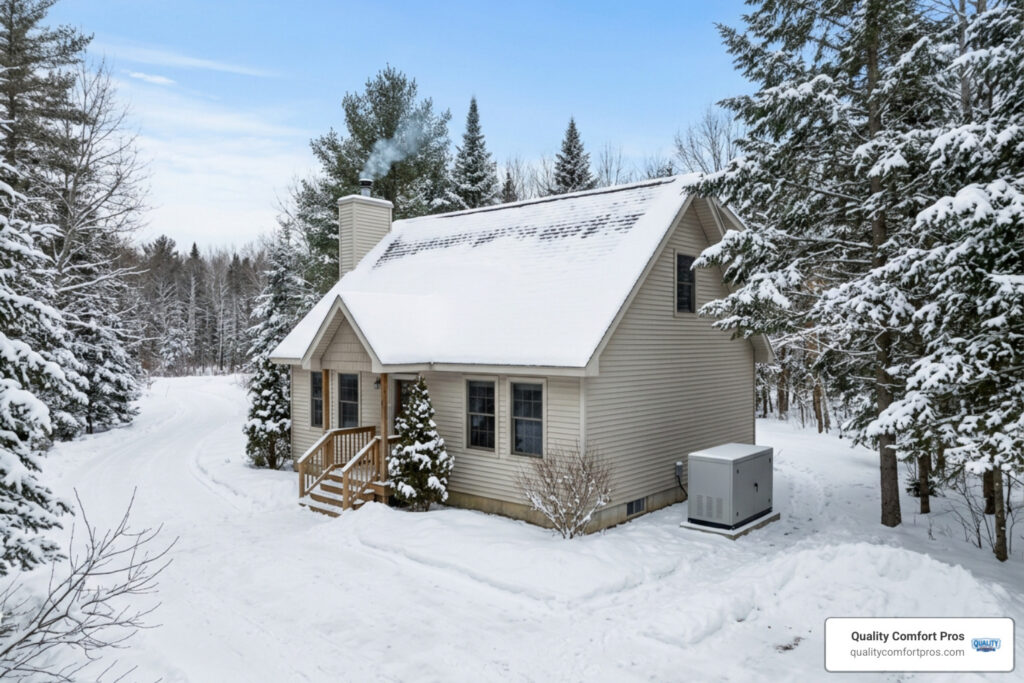
Power outages in Northern Michigan are not rare inconveniences. Severe weather, heavy snow, and seasonal storms can knock out power for extended periods, putting heating systems, sump pumps, refrigeration, and medical devices at risk. A generator that fails when you need it most is not just frustrating, it can be dangerous.
Understanding how to quickly find a qualified local repair provider, what to expect from the process, and how to protect your system going forward puts you in a much stronger position before the next storm rolls in.
I’m JD Osman, a business owner and marketing strategist with over 20 years of experience helping homeowners navigate complex service decisions, including generator repair and backup power solutions. In this guide, I’ll walk you through five straightforward steps to connect with the right local technician and get your system back online.
Step 1: Identify the Generator Problem Before You Call
Before you pick up the phone, take a few minutes to observe what the generator is doing, or not doing. You do not need to diagnose the system yourself. In fact, please do not start removing covers, poking wires, or performing what we lovingly call “YouTube surgery” on a live electrical system.
Your goal is simple: gather helpful information so your technician can arrive prepared.
Common problems that may require generator repair include:
- No-start or hard-start conditions
- Dead or weak battery
- Low oil shutdown
- Fuel supply problems
- Overheating
- Coolant leaks
- Tripped breakers
- Voltage fluctuation
- Transfer switch failure
- Control panel or warning code errors
- Alternator problems
- Strange noises or vibration
- Exhaust smell near the home
- Delayed transfer during an outage
Northern Michigan weather can make these issues worse. Snow buildup, ice, cold battery conditions, and long outage cycles can all expose problems that were hiding during mild weather.
Common Warning Signs That Point to Generator Repair
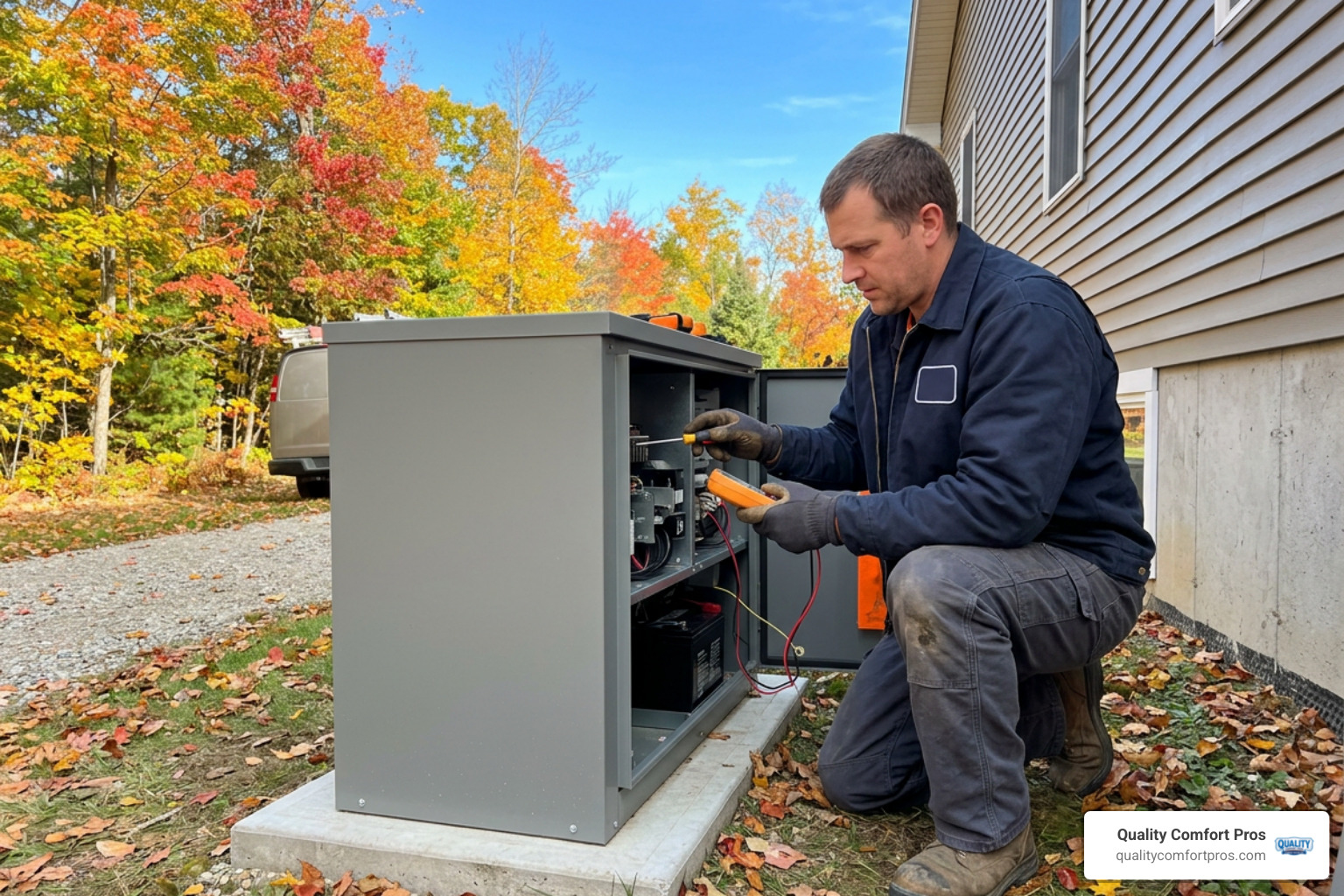
A generator often gives clues before it fails completely. If you notice any of these warning signs, it is time to schedule professional service:
- The generator fails to start during its exercise cycle
- It starts, then shuts down quickly
- It runs rough, surges, or stalls
- Lights flicker when generator power is active
- The control panel shows alarm lights or fault codes
- You smell burning, fuel, or exhaust
- You see corrosion on the battery terminals
- You notice coolant or oil under the unit
- The transfer switch does not move power to the generator
- The unit cannot carry normal household loads
- The system goes into emergency shutdown
A small problem can become a major breakdown if ignored. A weak battery today can become a no-heat emergency during a January outage. A minor coolant leak can become an overheating failure. A transfer switch issue can leave your generator running while your home still has no power, which is both irritating and a little rude of the machine.
What You Can Safely Check Yourself
There are a few safe checks homeowners can perform before calling for generator repair. Keep them visual and simple.
You can safely check:
- Whether the generator has visible damage
- Whether snow, leaves, or debris are blocking airflow
- Whether the generator breaker appears tripped
- Whether the control panel shows an error code
- Whether the battery terminals look heavily corroded
- Whether there is visible oil, fuel, or coolant leakage
- Whether the area around the generator is properly ventilated
- Whether the fuel supply appears to be on, if it is safe and accessible
Helpful tip: take a photo of the control panel, alarm code, or leak area. This helps the technician understand the issue faster.
Do not attempt:
- Electrical wiring repairs
- Transfer switch repairs
- Fuel line adjustments
- Control board replacement
- Internal engine repair
- Running a portable generator inside a garage, basement, porch, or enclosed space
- Bypassing safety shutdowns
Carbon monoxide is a serious hazard with any combustion generator. The EPA provides helpful carbon monoxide safety information, and the short version is simple: keep exhaust away from people, living spaces, doors, windows, and vents.
Step 2: Decide Whether You Need Maintenance, Repair, or Replacement Advice
Not every generator service call is the same. Some visits are preventive. Some are corrective. Some are really a conversation about whether the generator is nearing the end of its reliable life.
If your generator is currently working but overdue for service, you probably need maintenance. If it is failing to start, throwing codes, leaking, overheating, or not powering the home, you likely need repair. If it is older, repeatedly breaking down, undersized, or difficult to source parts for, you may need replacement advice.
If you are trying to prevent future breakdowns, we recommend starting with scheduled generator maintenance before storm season puts your system to the test.
Routine Maintenance vs Actual Generator Repair
Routine maintenance and generator repair overlap, but they are not the same thing.
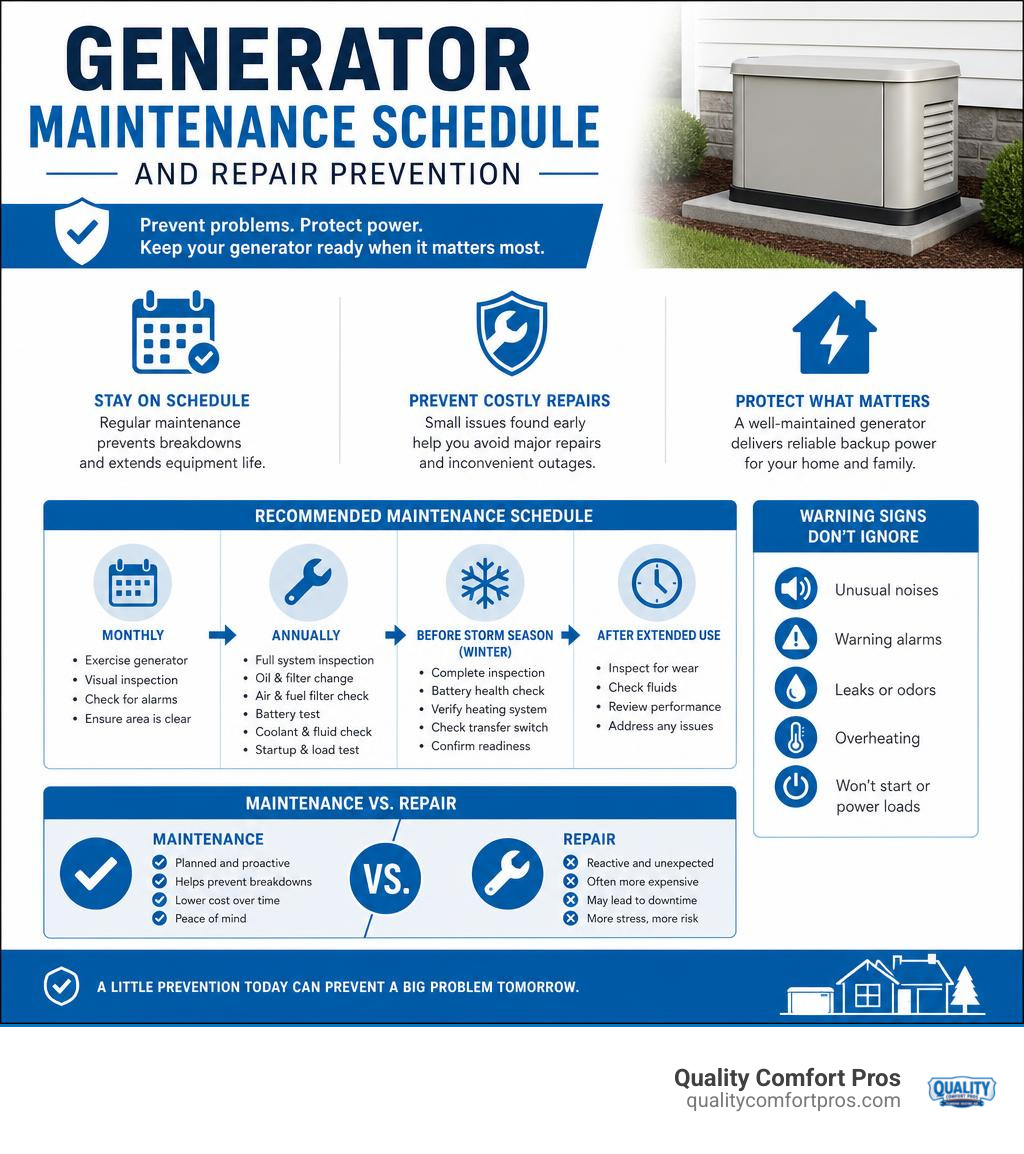
| Service Type | Main Purpose | Common Tasks | When You Need It |
|---|---|---|---|
| Routine maintenance | Prevent breakdowns | Oil service, filter replacement, battery test, coolant check, visual inspection, startup test | Before storm season, annually, or per manufacturer schedule |
| Generator repair | Correct an active failure | Diagnostics, part replacement, fuel correction, control troubleshooting, transfer switch testing | When the generator fails, alarms, leaks, overheats, or will not power loads |
| Replacement consultation | Decide if repair still makes sense | System evaluation, load review, age and condition review | When repairs become frequent, costly, or parts are limited |
Maintenance is like brushing your teeth. Repair is like calling the dentist because something hurts. Replacement is the conversation nobody loves, but sometimes needs.
A good service provider should be able to explain which situation you are in without pressure. At Quality Comfort Pros, we look at the issue, the age and condition of the unit, parts availability, and your backup power needs before making recommendations.
How Often Generators Should Be Serviced or Inspected
As of May 2026, a good rule of thumb for most home standby generators is:
- Full professional inspection at least once per year
- Additional check before winter or storm season when possible
- Monthly exercise cycle, if recommended by the manufacturer
- More frequent service if the unit runs for long outages or supports critical loads
Some commercial or heavy-use generators may need inspections more often, sometimes twice a year or more, depending on usage, code requirements, and the importance of the loads being supported.
For Northern Michigan homes, we like to think in seasons. Before heavy snow, ice, and wind arrive, your generator should be ready. That includes battery health, oil condition, coolant level, airflow, startup performance, and transfer operation. You can also see how maintenance benefits home generators if you want a deeper look at prevention.
Step 3: Compare Local Generator Repair Qualifications
Once you know the symptoms, it is time to compare local repair providers. The best choice is not always the first name you see. You want a technician who understands electrical systems, engines, fuel systems, transfer switches, safety standards, and the realities of Northern Michigan weather.
Look for a provider with:
- Licensed electrical and mechanical expertise
- Experience with standby generators
- Natural gas and liquid propane knowledge
- All-brand compatibility
- Proper insurance
- Diagnostic tools for modern generator systems
- Access to replacement parts
- Emergency response options
- Clear communication
- Service documentation after the visit
- Local familiarity with Gaylord, MI and surrounding Northern Michigan communities
Quality Comfort Pros is family-owned and brings 28 years of reliable home service experience to HVAC, plumbing, water heaters, drains, and generator services. We serve Gaylord, MI, Alba, MI, Atlanta, MI, Bellaire, MI, Boyne City, MI, Boyne Falls, MI, Charlevoix, MI, East Jordan, MI, Frederic, MI, Grayling, MI, Johannesburg, MI, Mancelona, MI, Petoskey, MI, Vanderbilt, MI, Walloon Lake, MI, Wolverine, MI, and nearby Northern Michigan areas.
When your system needs help, you can request professional generator repair service from a local team that understands the weather, the homes, and the urgency.
Questions to Ask a Generator Repair Technician
Before scheduling generator repair, ask a few practical questions:
- Do you service my type of generator?
- Do you work on both natural gas and liquid propane systems?
- Can you inspect the transfer switch?
- Do you provide on-site diagnostics?
- Do you carry common replacement parts?
- What safety checks do you perform after repair?
- Can you test the system under load?
- Do you provide documentation of the work?
- Do you offer emergency service during outages?
- Are you familiar with residential standby systems in Northern Michigan?
- Can you help decide whether repair or replacement makes more sense?
Good technicians do not mind questions. In fact, they should welcome them. Clear answers usually signal clear workmanship.
Which Generator Types Require Specialized Repair Expertise
Different generators need different repair skills.
Natural gas generators require knowledge of gas pressure, regulators, ignition systems, fuel valves, and safe combustion.
Liquid propane generators involve propane supply, regulators, cold-weather fuel behavior, and proper fuel delivery.
Standby generators require electrical, mechanical, and transfer switch expertise because they are permanently connected to the home.
Whole-home generators require load management knowledge. A repair is not complete unless the system can safely support the circuits it is expected to power.
Commercial generators may need more advanced diagnostics, load testing, documentation, and faster downtime planning.
Portable generators are different from permanent standby units. They can often be repaired, but the safety rules are strict, especially around ventilation, extension cords, carbon monoxide, and backfeeding hazards.
The bigger and more integrated the system, the more important specialized repair expertise becomes.
Step 4: Confirm On-Site Service, Emergency Response, and Safety Practices
A generator failure rarely happens at a convenient time. It usually happens during a storm, during a family gathering, or precisely when the freezer is full. That is why local response and on-site capability matter.
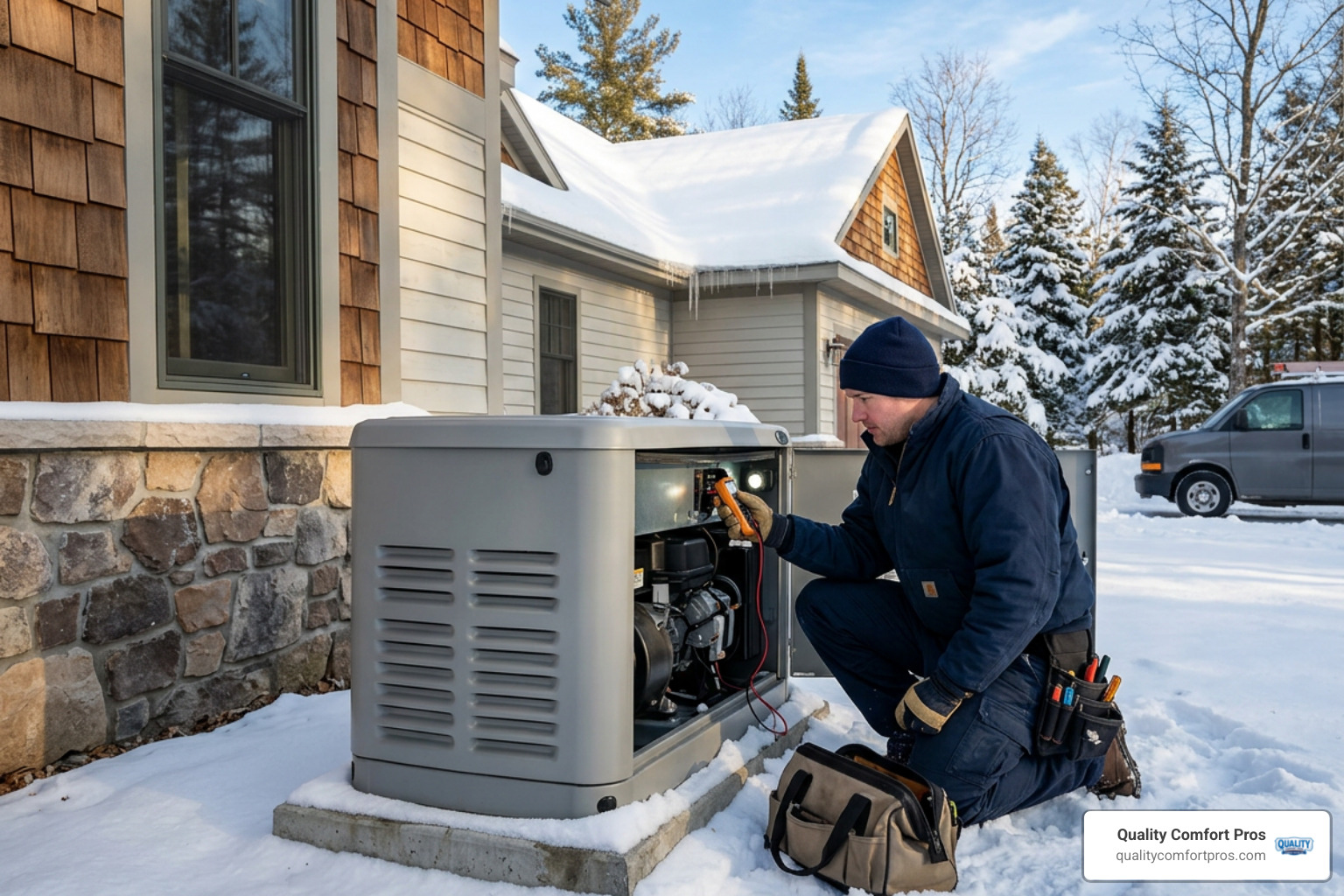
For most residential standby systems, a trained technician can perform diagnostics and many repairs at your home. This reduces downtime and avoids the hassle of transporting equipment.
Can Generators Be Repaired On-Site?
Yes, many generator repairs can be completed on-site.
Common on-site repairs may include:
- Battery replacement
- Starter or charging system corrections
- Sensor replacement
- Fuel system adjustment or correction
- Control panel troubleshooting
- Error code diagnosis
- Breaker and wiring checks
- Transfer switch testing
- Coolant or oil leak evaluation
- Airflow and overheating corrections
- Basic part replacement
- System reset and startup testing
However, not every repair is simple. Major engine damage, severe alternator problems, extensive wiring damage, or complicated component failures may require additional time, special parts, or shop-level repair. Accessibility also matters. If the generator is buried in snow, blocked by landscaping, or installed in a tight area, the repair may take longer.
A professional technician should explain what can be done immediately, what parts are needed, and what temporary precautions you should take.
What to Do When a Generator Fails During an Emergency
If your generator fails during a storm, use this checklist:
- Stay calm and avoid unsafe DIY repairs.
- Check the control panel from a safe position and note any alarms.
- Take a photo of warning codes if possible.
- Reduce nonessential electrical loads.
- Confirm the generator has clear airflow and is not blocked by snow.
- Do not run portable generators indoors or in attached garages.
- Keep doors, windows, and vents away from exhaust areas.
- Protect critical needs first, such as heat, medical devices, refrigeration, and sump pumps.
- Call a qualified local generator technician.
- If the home becomes unsafe due to cold, lack of medical equipment power, or carbon monoxide concerns, leave and seek emergency assistance.
For cold-weather outages, we recommend reading these winter storm generator failure safety tips before the next storm hits. It is much easier to make a plan while the lights are on and nobody is wearing three coats indoors.
Safety Risks a Proper Repair Can Reduce
A malfunctioning generator can create real safety risks. Proper generator repair can help reduce:
- Carbon monoxide exposure
- Exhaust leaks
- Fire risk from overheating or fuel leaks
- Electrical shock hazards
- Backfeeding into utility lines
- Damaged wiring
- Transfer switch malfunction
- Unstable voltage that can damage appliances
- Battery hazards
- Poor ventilation
- Failed safety shutdowns
Backfeeding is especially dangerous. A generator should never send power backward into utility lines. A properly installed and functioning transfer switch helps prevent that hazard. If your generator runs but your power transfer seems wrong, call for service immediately.
Step 5: Review Pricing Factors, Downtime, Brands, and Long-Term Prevention
Pricing can vary depending on several factors, so it is best to think in terms of what affects the repair rather than searching for a one-size-fits-all number. Generator systems differ by size, fuel type, age, parts availability, electrical setup, and how serious the failure is.
If your current generator is unreliable or no longer fits your needs, we can also help you plan backup power with installation guidance.
What Influences Generator Repair Cost and Timeline
The most common factors that influence repair cost and downtime include:
- Diagnostic time
- Type of failure
- Generator size
- Fuel type
- Age of the system
- Parts availability
- Labor complexity
- Transfer switch involvement
- Warranty status
- Emergency timing
- Site access
- Weather conditions
- Whether load testing is needed
- Whether follow-up verification is required
Simple issues, such as a weak battery or minor sensor fault, may be resolved quickly if parts are available. More complex problems, such as control board issues, alternator failure, fuel delivery problems, or transfer switch faults, can take longer.
Many repairs are completed in a single visit when the technician has the right parts and the issue is straightforward. Special-order parts, older models, major engine repairs, or severe electrical problems may extend downtime.
For businesses, downtime planning matters even more. A generator may support refrigeration, equipment, communications, security systems, or customer operations. In those cases, a provider should help prioritize safe temporary steps while repair is underway.
Do Repair Services Cover All Major Generator Brands and Models?
Many qualified repair providers service a wide range of generator brands and models, but there can be limits. The best approach is to ask before scheduling.
A good provider should ask for:
- Generator make and model
- Serial number
- Fuel type
- Approximate age
- Error codes
- Service history
- Description of the problem
- Whether it is under warranty
All-brand compatibility is important, especially for homeowners who inherited a generator with a home purchase or have an older unit. Quality Comfort Pros offers all-brand compatibility, which helps Northern Michigan homeowners avoid the frustration of calling around only to hear, “We do not work on that.”
That said, some limitations can still apply across the industry. Older generators may have discontinued parts. Certain warranty repairs may require specific authorization. Very large commercial systems may require specialized equipment or additional planning.
How Maintenance Reduces Future Generator Repair Calls
Regular maintenance is the best way to reduce emergency repair calls. It will not prevent every possible failure, but it catches many problems early, while they are still small and less disruptive.
Maintenance helps by checking:
- Battery condition
- Oil quality
- Filter condition
- Coolant level
- Fuel delivery
- Airflow
- Wiring and connections
- Exercise cycle performance
- Control panel alarms
- Transfer switch operation
- Load performance
- Overall system readiness
A maintenance plan also creates a service history. That history helps technicians spot patterns, diagnose issues faster, and make better repair or replacement recommendations.
If you want to understand what service may involve, regular generator maintenance is highly recommended. If you are thinking ahead about repair, replacement, or a new standby system, it also helps to learn how to budget for backup power.
Frequently Asked Questions About Generator Repair
What are the most common problems that require generator repair?
The most common problems include failure to start, dead or weak batteries, fuel restrictions, low oil shutdowns, overheating, coolant leaks, transfer switch failure, voltage instability, control panel faults, sensor failures, and alternator issues. Many of these problems start small, which is why warning codes, rough running, strange smells, or failed exercise cycles should not be ignored.
How often should a home standby generator be serviced to prevent breakdowns?
Most home standby generators should receive a professional inspection at least once per year. In Northern Michigan, a pre-winter check is especially helpful because cold weather, snow, and long outages can stress the system. Some homes may benefit from semiannual inspections, especially if the generator runs often or supports critical equipment. Always follow the manufacturer schedule for your specific unit.
What is the difference between generator maintenance and generator repair?
Generator maintenance is preventive. It includes inspections, oil and filter service, battery testing, coolant checks, startup testing, and performance checks. Generator repair is corrective. It happens when something is already wrong, such as a no-start condition, leak, transfer failure, unstable voltage, or control panel error. Maintenance helps prevent repair, while repair fixes an active problem.
Can a generator repair technician fix my unit on-site?
In many cases, yes. A qualified technician can often diagnose and repair standby generators on-site using mobile tools and common replacement parts. Battery issues, sensor faults, control resets, minor fuel problems, and some transfer switch issues can often be handled at the home. Major engine damage, alternator failure, extensive wiring problems, or hard-to-source parts may require additional time or off-site work.
Do natural gas, liquid propane, and standby generators need different repair expertise?
Yes. Natural gas and liquid propane systems have different fuel delivery, regulator, ignition, and combustion considerations. Standby generators also include automatic transfer switches and permanent electrical connections, so the technician needs both mechanical and electrical knowledge. Commercial or whole-home systems may require additional load testing and more advanced diagnostics.
How do I choose a qualified local generator repair provider?
Look for licensed, insured professionals with generator experience, all-brand capability, fuel system knowledge, transfer switch expertise, proper diagnostic tools, clear communication, and emergency support. Ask whether they service your generator type, whether they provide on-site repairs, and what safety testing they perform after the repair. Local experience matters in Northern Michigan because weather and outage patterns affect generator reliability.
What safety risks come from a malfunctioning generator?
A malfunctioning generator can create carbon monoxide hazards, fire risk, electrical shock, backfeeding, fuel leaks, overheating, unstable voltage, and damaged wiring. Poor ventilation or exhaust problems are especially dangerous. Transfer switch failure can also create serious risks. If you smell exhaust, fuel, burning, or see visible damage, shut the system down if it is safe to do so and call a professional.
How much does generator repair usually cost?
Generator repair pricing can vary depending on diagnostic time, the failed part, generator size, fuel type, age, warranty status, emergency timing, and labor complexity. Simple problems are usually less involved, while control board issues, alternator faults, transfer switch repairs, and engine-related repairs can require more time and parts. A technician should inspect the system before giving a reliable estimate.
How long does generator repair usually take?
Many common repairs can be completed during the first visit, especially if the issue is simple and parts are available. Some repairs may take only a short service window, while others require additional diagnostics, special-order parts, or follow-up testing. Major engine, alternator, or transfer switch problems can take longer. After repair, the technician should test the system to confirm safe operation.
What should I do first if my generator fails during a storm?
Start with safety. Do not attempt wiring, fuel, or internal repairs yourself. Check the control panel from a safe position, note or photograph any alarms, reduce nonessential electrical loads, and make sure snow or debris is not blocking airflow. Never run a portable generator indoors or in an attached garage. Then call a qualified local repair provider and protect critical needs like heat, medical devices, pipes, sump pumps, and refrigeration.
Conclusion
Finding the right local generator repair service does not have to be complicated. Start by identifying the problem, decide whether you need maintenance or repair, compare qualifications, confirm on-site and emergency support, and understand how pricing factors and maintenance affect long-term reliability.
For homeowners and businesses across Gaylord, MI and Northern Michigan, a dependable generator is more than a convenience. It protects heat, water systems, refrigeration, medical equipment, security, and day-to-day comfort when the grid goes down.
With 28 years of family-owned home service experience, all-brand compatibility, and local knowledge of Northern Michigan storm conditions, Quality Comfort Pros is here to help you stay ready. If your system is acting up now, schedule trusted generator repair. If you are planning ahead, we can also help you prepare your home with whole-home generator support and know what to expect from installation planning.