Why a Low Water Toilet Replacement Is One of the Smartest Home Upgrades You Can Make
Low water toilet replacement is one of the highest-impact changes a homeowner can make to cut water waste and lower monthly utility bills. If you have an older toilet in your home, you may be flushing far more water than you realize, and far more money, too.
Quick Answer: What You Need to Know About Low Water Toilet Replacement
- What it is: Replacing an old, high-flow toilet with a water-efficient model that uses 1.28 gallons per flush (GPF) or less.
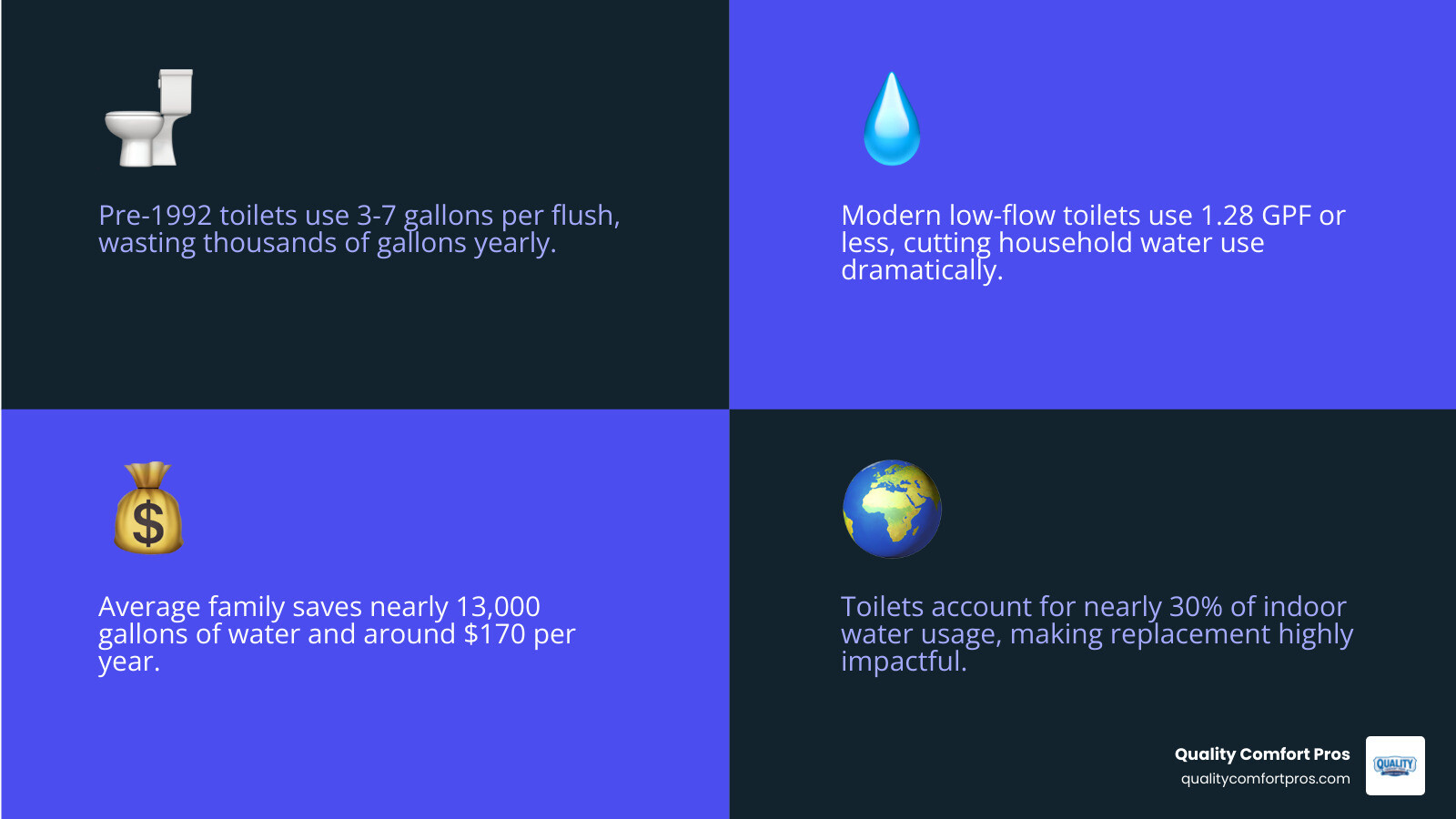
- Why it matters: Toilets account for nearly 30 percent of a home’s indoor water use. Pre-1992 toilets can use 3 to 7 gallons per flush.
- How much you save: The average family can save nearly 13,000 gallons of water and around $170 per year in water costs.
- What to look for: EPA WaterSense certification and MaP PREMIUM ratings ensure both efficiency and reliable flush performance.
- Can you DIY it? Yes, most homeowners can complete a toilet replacement in under two hours with basic tools.
- Rebates available? Many local water utilities offer rebates of $100 to $200 for qualifying low-flow toilet replacements.
Toilets built before 1992 are some of the biggest water wasters in any home. Federal law set a maximum flush rate of 1.6 GPF back in 1992, but today’s best models go well below that, reaching as low as 0.8 GPF while still delivering powerful, reliable flushes. That gap between an aging toilet and a modern efficient model is where real savings happen.
Whether your toilet is aging out, constantly running, or you simply want to reduce your water footprint in Northern Michigan, this guide walks you through everything you need to make a confident, well-informed decision.
I’m JD Osman, and with over 20 years of experience in home services and as a business owner at Quality Comfort Pros, I’ve helped countless Northern Michigan homeowners navigate projects just like low water toilet replacement with clarity and confidence. In this guide, I’ll break down the types of water-saving toilets available, how to choose the right fit for your bathroom, and how to get the installation done right the first time.
Understanding the Benefits of a Low Water Toilet Replacement
Investing in a low water toilet replacement is about more than just modernizing your bathroom. It is a highly practical decision that yields immediate environmental and financial rewards. Because toilets are responsible for nearly 30 percent of an average household’s indoor water usage, targeting this single fixture is the fastest way to make a significant dent in your resource consumption.
When you upgrade to an efficient fixture, you are directly reducing the strain on municipal water treatment systems and local septic fields. This is particularly important in our beautiful Northern Michigan communities, where protecting local water tables and managing septic health are top priorities for homeowners.
If you are planning a broader bathroom refresh, you can explore professional toilet replacement services to see how a new toilet fits into your overall home improvement plans. Beyond water conservation, many local municipalities and water districts offer financial incentives to help offset the initial purchase price of these fixtures. Combined with the year over year utility savings, upgrading your toilet is a project that quickly pays for itself.
What is a Low-Flow Toilet and How Much Water Does It Save?
A low-flow or low-water toilet is any model designed to clear waste using significantly less water than traditional fixtures. To appreciate how far technology has come, it helps to look at the history of household plumbing.
Prior to 1992, there were few regulations on toilet water consumption. It was common for a single flush to use anywhere from 3 to 7 gallons of water. In 1992, federal mandates capped new residential toilets at 1.6 gallons per flush (GPF). While this was a massive step forward, early low-flow models gained a bad reputation for weak flushes that often required two or three attempts to clear the bowl, defeating the entire purpose of the design.
Fortunately, plumbing engineering has evolved tremendously. Modern high-efficiency toilets (HETs) typically use 1.28 GPF or less. Some ultra-high-efficiency models even operate at a mere 0.8 GPF. By swapping out a pre-1992 water guzzler for a modern unit that meets the strict EPA WaterSense guidelines, the average family can reduce their toilet-related water usage by 20 to 60 percent. That translates to roughly 13,000 gallons of water saved every single year.
Key Performance Standards: WaterSense and MaP PREMIUM
To avoid the weak, frustrating flushes of the past, you should look for specific certification labels when shopping for your replacement. The two most important standards to look for are EPA WaterSense and MaP PREMIUM.
- EPA WaterSense: This label is awarded to toilets that use 1.28 GPF or less, representing a 20 percent reduction in water compared to the federal 1.6 GPF standard. To earn this certification, the fixture must pass rigorous independent testing for waste extraction, bowl surface cleaning, and drainline transport.
- MaP PREMIUM: Maximum Performance (MaP) testing is an independent program that evaluates exactly how much solid waste a toilet can flush in a single pass. To qualify as a MaP PREMIUM model, a toilet must use 1.1 GPF or less and successfully clear at least 800 grams of waste in a single flush. This means MaP PREMIUM toilets use 20 percent less water and remove 70 percent more waste than standard WaterSense toilets.
By choosing a toilet with these credentials, you can rest assured that your new low-flow model will perform reliably without requiring annoying double-flushes.
Choosing the Right Water-Saving Toilet for Your Home
Selecting the perfect toilet requires balancing mechanical performance with personal preference and physical space. Modern manufacturers offer several flush technologies and physical configurations designed to fit different household needs.
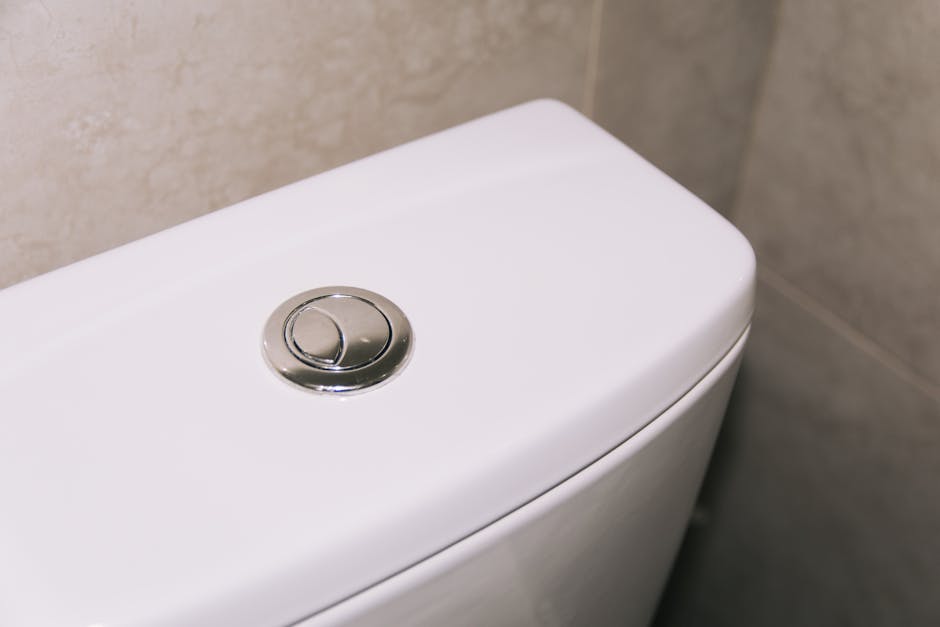
To start, you will need to choose between a single-flush and a dual-flush design. Single-flush models use the same pre-set amount of water (usually 1.28 or 1.6 GPF) every time you push the lever. Dual-flush models feature two buttons or a split lever, allowing you to choose a light flush (typically 0.8 to 1.0 GPF) for liquid waste or a full flush (1.28 to 1.6 GPF) for solid waste.
You must also consider the internal mechanism that drives the flush. The two primary options are gravity-flush and pressure-assist systems.
| Feature | Gravity-Flush Toilets | Pressure-Assist Toilets |
|---|---|---|
| How It Works | Uses the natural weight of falling water to push waste through the trapway. | Uses compressed air inside a sealed plastic tank to blast water into the bowl. |
| Noise Level | Relatively quiet and familiar. | Loud, sudden whooshing sound. |
| Clog Resistance | Good, but relies heavily on bowl design and trapway size. | Exceptional; virtually eliminates clogs. |
| Maintenance | Simple DIY repairs; replacement parts are cheap and widely available. | More complex; replacement cartridges can be hard to find. |
| Ideal For | Standard residential bathrooms and guest rooms. | Busy households, commercial spaces, or homes with older plumbing. |
Planning Your Low Water Toilet Replacement: Rough-In and Design
Before you head to the store or order online, you must take precise measurements of your bathroom layout. The most critical measurement is the rough-in size, which is the distance from the finished wall behind the toilet to the center of the floor drain (the closet bolts holding the toilet down).
The standard rough-in distance for most North American homes is 12 inches. However, some older homes or unique bathroom layouts may have a 10-inch or 14-inch rough-in. To ensure a proper fit, always measure from the drywall or tile wall, not from the baseboard or trim. You can consult a comprehensive toilet buying guide to better understand these measurements and explore various bowl shapes.
Additionally, you will need to choose between the following design options:
- Round vs. Elongated Bowl: Round bowls are compact and save space in smaller bathrooms or powder rooms. Elongated bowls extend about two inches further forward, providing superior comfort and support for most adults.
- Comfort Height vs. Standard Height: Standard toilets sit about 15 inches high from the floor to the rim. Comfort height (often called chair height or ADA-compliant) models sit between 17 and 19 inches high, making it much easier to sit down and stand up, especially for individuals with mobility challenges.
- One-Piece vs. Two-Piece Design: Two-piece toilets are the traditional style where the tank is bolted to the bowl. They are generally more affordable and easier to maneuver during installation. One-piece toilets integrate the tank and bowl into a single seamless ceramic fixture. They are sleeker, easier to clean because there are no crevices for grime to hide, but they are significantly heavier to lift.
How to Qualify for Toilet Replacement Rebates
Many water utilities and local governments offer financial incentives to encourage homeowners to swap out old, water-guzzling fixtures. Depending on your location, you could qualify for a rebate ranging from $100 to $200 per toilet.
To secure these savings, keep the following steps in mind:
- Verify Eligibility: Check with your local water provider before purchasing. Most programs require the new toilet to be EPA WaterSense certified, and some specify that it must be a MaP PREMIUM model using 1.1 GPF or less.
- Document the Old Toilet: Some strict rebate programs require photographic proof of your old toilet, including the manufacturer’s date stamp inside the tank, to prove it was manufactured before 1994.
- Keep Your Receipts: You will need to submit an itemized purchase receipt showing the date, model number, and price of the new toilet.
- Dispose Responsibly: Certain programs require you to drop your old porcelain off at a designated recycling facility rather than tossing it in a standard landfill.
Step-by-Step Guide to a DIY Low Water Toilet Replacement
If you are reasonably handy and comfortable handling basic hand tools, replacing a toilet is a highly achievable weekend project. Taking the DIY route can save you money on labor, though you should always know when to call in professional support if you encounter rusted pipes, a damaged subfloor, or an uneven closet flange.

For complex plumbing layouts or if you prefer the peace of mind that comes with a guaranteed leak-free job, you can always rely on professional plumbing services to handle the heavy lifting for you.
Tools and Materials Needed for the Job
Before you begin, gather all your tools and materials so you do not have to make a mid-project run to the hardware store.
- Tools: Adjustable wrench, flathead and Phillips screwdrivers, putty knife, hacksaw (for trimming long closet bolts), old sponge, bucket, old towels, and rubber gloves.
- Materials: Your new water-saving toilet, a high-quality wax ring (or a modern non-wax foam seal), new closet bolts (T-bolts) with plastic washers and caps, and a flexible, braided stainless steel water supply line.
Removing the Old Toilet Safely
First, turn off the water supply valve located on the wall behind the toilet. Turn it clockwise until it stops. Flush the toilet and hold the handle down to drain as much water as possible from both the tank and the bowl.
Next, use your sponge and bucket to bail out any remaining water left in the bottom of the tank and the bowl trapway. This step is crucial, as any leftover water will spill onto your bathroom floor when you lift the toilet.
Disconnect the water supply line from the fill valve at the base of the toilet tank using your adjustable wrench. Keep a towel handy to catch any drips.
Remove the decorative plastic caps at the base of the toilet bowl, and unscrew the brass nuts from the closet bolts. If the bolts are rusted and spin in place, you may need to use a hacksaw to carefully cut them off beneath the nut.
Gently rock the toilet from side to side to break the old wax seal. Lift the toilet straight up off the floor bolts. Vitreous china is heavy and slippery, so lift with your legs or ask a friend for help. Place the old toilet on a garbage bag or old tarp to protect your flooring.
Immediately stuff an old rag or plastic bag into the open drain hole. This blocks toxic, foul-smelling sewer gases from entering your home and prevents tools or parts from accidentally falling down the drain.
Installing Your New Water-Saving Unit
Use your putty knife to scrape all the old, sticky wax off the metal or plastic closet flange on the floor. Inspect the flange carefully. If it is cracked or broken, you must repair it with a flange repair ring before proceeding.
Insert your new brass closet bolts into the slots on the flange, aligning them so they are parallel to the wall behind the toilet.
Prepare the new toilet bowl. You can either place the new wax ring directly onto the closet flange or press it firmly onto the discharge outlet on the bottom of the new toilet bowl. If you are using a modern foam, non-wax seal, follow the manufacturer’s specific instructions.
Carefully lift the new toilet bowl and align the holes in its base with the closet bolts sticking up from the floor. Lower the bowl straight down. Press down firmly with your body weight, rocking it very slightly, to compress the wax ring and seat the bowl against the floor.
Place the plastic washers over the bolts, followed by the brass nuts. Tighten the nuts hand-tight, then use your adjustable wrench to snug them down. Alternate from side to side to ensure even pressure.
Critical Warning: Do not overtighten these nuts. Vitreous china is highly brittle, and overtightening will crack the porcelain bowl, ruining your new toilet instantly.
If you have a two-piece toilet, mount the tank onto the bowl. Install the tank-to-bowl gasket over the flush valve nut on the bottom of the tank. Lower the tank onto the bowl, aligning the bolt holes. Tighten the tank bolts evenly from side to side until the tank sits level and firm.
Connect your new braided stainless steel supply line to the fill valve on the tank and the shut-off valve on the wall. Tighten the connections snug, but avoid stripping the plastic threads on the fill valve. Turn the water supply back on slowly and check for leaks.
Important Safety and Professional Guidance
While a DIY toilet installation is highly achievable for many homeowners, plumbing systems require precision to prevent hidden leaks and water damage. If you encounter safety concerns, find that you lack the specialized tools needed for a damaged flange, or simply feel unsure about performing the task correctly, it is always best to contact a professional. The team at Quality Comfort Pros is always ready to step in and ensure your installation is completely leak-free and secure.
Avoiding Common Installation Mistakes and Pitfalls
Even simple plumbing projects can go sideways if you rush through the critical details. Understanding where most DIYers make mistakes will help you achieve a flawless, leak-free installation.
If you run into issues during the installation, or if you notice water pooling around the base of your new fixture a few days later, do not hesitate to contact a professional for expert toilet repair before water damage ruins your bathroom floor.
The Critical Role of the Wax Ring Seal
The wax ring is the single most important component of your toilet installation. It creates a gas-tight and watertight seal between the toilet bowl and the sewer line. If this seal fails, water will slowly leak under your flooring every time you flush, leading to rot, mold, and costly structural damage.
A common mistake is failing to account for the height of the closet flange relative to your finished floor. If you recently installed thick tile or luxury vinyl plank flooring, your closet flange might sit lower than the finished floor surface. In this scenario, a standard wax ring will not be thick enough to establish a secure seal. You will need to purchase an extra-thick wax ring or use a flange extender to ensure a proper connection.
Additionally, once you lower the toilet onto the wax ring, you must not wiggle, twist, or lift the bowl. Doing so will break the compressed wax seal, and it will not spring back or reform. If you need to reposition the toilet after setting it down, you must scrape off the ruined wax ring and start over with a brand-new one.
When to Repair vs. Replace Your Existing Toilet
Homeowners often wonder whether they should keep fixing an old toilet or replace it entirely. While replacing a worn-out flapper or a noisy fill valve is an easy, low-cost repair, there are several scenarios where a full replacement is the wiser choice:
- Internal Cracks: If you spot hairline cracks in the porcelain tank or bowl, replace the toilet immediately. A cracked toilet can fail catastrophically without warning, flooding your home with hundreds of gallons of water.
- Frequent Clogs: Older low-flow toilets from the 1990s often suffer from poor trapway design, leading to chronic clogging. Upgrading to a modern MaP PREMIUM model will solve this issue completely.
- High Water Bills: If your toilet was manufactured before 1994, you are flushing money down the drain. The long-term utility savings of a high-efficiency unit make replacement a highly financially sound decision.
If you are updating your bathroom fixtures to improve your home’s water efficiency, you might also want to look into a modern faucet replacement or a stylish sink replacement to complete your bathroom’s transformation.
Frequently Asked Questions About Low Water Toilet Replacement
How much water does a low-flow toilet actually save?
A modern low-flow toilet uses 1.28 GPF or less, compared to older models that use 3.5 to 7.0 GPF. For an average family, this reduction saves nearly 13,000 gallons of water annually, cutting toilet-related water consumption by up to 60 percent.
What is the difference between WaterSense and MaP PREMIUM?
WaterSense is an EPA certification verifying that a toilet uses 1.28 GPF or less and meets basic flush performance standards. MaP PREMIUM is an independent rating for toilets that use 1.1 GPF or less and can successfully clear at least 800 grams of solid waste in a single flush, ensuring maximum water savings and superior flush performance.
How do I measure the rough-in for a new toilet?
Measure the distance from the finished drywall behind the toilet to the center of the closet bolts holding the toilet to the floor. Do not measure from the baseboard or trim. The standard measurement is 12 inches, though some homes may require a 10-inch or 14-inch model.
Can I install a low-flow toilet myself?
Yes, most homeowners can complete a toilet replacement in under two hours with basic tools. However, if you find that your closet flange is broken, your subfloor is water-damaged, or you are uncomfortable lifting heavy porcelain fixtures, you should contact a professional plumber.
What are the signs that my toilet wax ring is leaking?
Common warning signs include a persistent sewer gas odor in your bathroom, water pooling around the base of the toilet bowl, a loose or wobbling toilet, and water stains on the ceiling of the room directly below the bathroom.
Are dual-flush toilets better than single-flush models?
Dual-flush toilets offer greater potential water savings because they allow you to choose a low-volume flush for liquids and a full-volume flush for solids. However, they are slightly more complex to maintain and typically cost more upfront than standard single-flush models.
How do I dispose of or recycle my old toilet?
You can contact your local waste management agency to see if they accept bulk porcelain for recycling. Before recycling, you must remove all plastic and metal hardware, including the seat, tank bolts, flush valve, and any remaining wax from the base.
Why does my new low-flow toilet require multiple flushes?
If your new toilet requires multiple flushes, the water level inside the tank may be set too low, or the flapper chain may have too much slack, preventing the flush valve from opening fully. Adjusting the fill valve to raise the tank water level usually solves this issue.
Will a low-flow toilet work with older home plumbing systems?
Yes, modern low-flow toilets are engineered to deliver a highly concentrated, pressurized burst of water that successfully carries waste down older sewer lines, preventing the drainline transport issues associated with early 1990s low-flow models.
How much money can I save on my water bill after replacement?
The average family can expect to save around $170 per year on their water bill by switching to a WaterSense labeled toilet. Over the typical 20-year lifespan of a high-quality toilet, this adds up to more than $3,400 in direct utility savings.
Conclusion
Upgrading your home with a low water toilet replacement is an incredibly effective way to protect the environment while keeping more money in your pocket. From reducing your annual water consumption by thousands of gallons to preventing frustrating clogs, a modern high-efficiency toilet is a minor investment that pays massive dividends for years to come.
Whether you choose to tackle this project as a weekend DIY challenge or prefer the absolute certainty of a professional installation, the team at Quality Comfort Pros is here to support you. We have proudly served Gaylord, MI, and the surrounding Northern Michigan communities for over 28 years, providing expert plumbing, HVAC, and home comfort solutions that you can always rely on.
Whether you need a quick fixture upgrade, emergency plumbing repairs, or a complete low water toilet replacement, the team at Quality Comfort Pros is ready to help. Schedule your professional plumbing service today or contact our plumbing experts to request an estimate for your Northern Michigan home.