What Does Generator Repair Cost? Here’s What Homeowners Need to Know
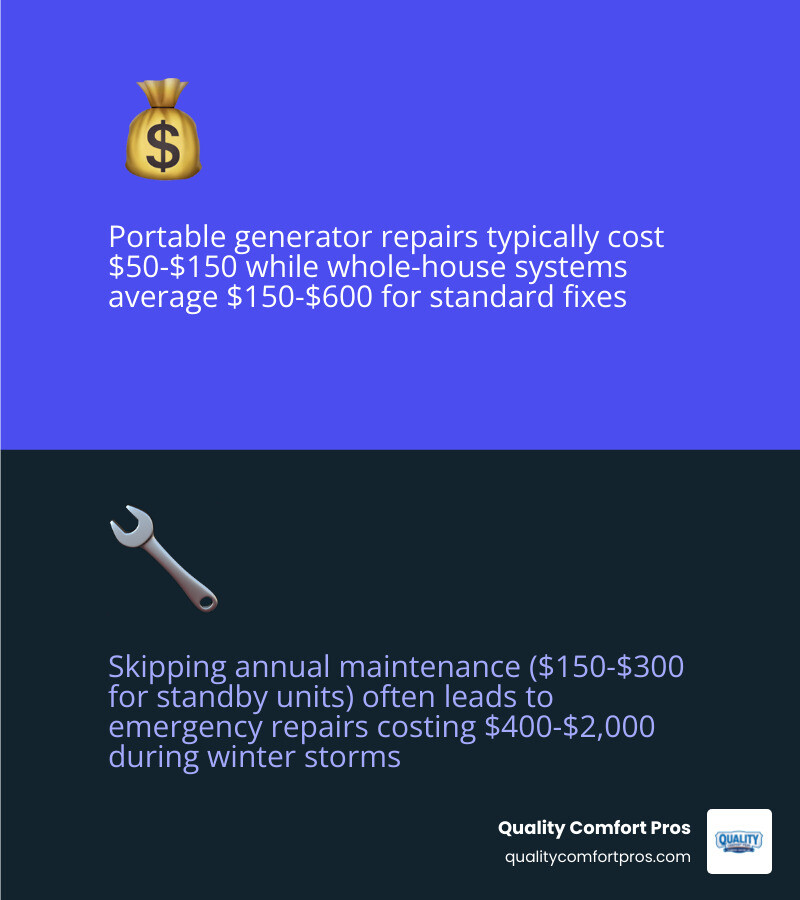
When your backup power system fails, understanding the potential generator repair cost is essential for planning your household budget. While some minor issues can be resolved quickly, more complex electrical or mechanical failures may require a larger investment. Below is a general overview of typical cost ranges for various generator services. Please note that actual pricing can vary depending on several factors, including your specific location, the brand of your equipment, and the complexity of the required work.
| Repair Type | Typical Cost Range |
|---|---|
| Portable generator repair | $50 – $150 |
| Whole-house generator repair | $150 – $600 |
| Basic repairs or part replacements | $300 – $1,200 |
| Moderate engine or electrical repairs | $1,200 – $4,500 |
| Emergency repair services | $400 – $2,000 |
| Annual maintenance (standby) | $150 – $300 |
| Annual maintenance (portable) | $50 – $150 |
Because every home and backup power system is unique, homeowners should request a professional estimate for accurate pricing tailored to their specific situation.
Generators are easy to forget about until the power goes out and yours refuses to start. For homeowners in Northern Michigan, where severe winter storms can knock out electricity for hours or even days, a working generator is not a luxury. It is a vital lifeline that keeps your heating system running, your pipes from freezing, and your family safe.
The frustrating part is that generator problems rarely announce themselves in advance. One day the system runs perfectly during its weekly self-test. The next day, during a major utility outage, you are standing in a dark house wondering why the backup power failed to kick on. This is a scenario that many local homeowners know all too well, and it is exactly why understanding what repairs cost before an emergency occurs puts you in a much stronger position.
Whether you have a small portable unit stored in your garage or a permanently installed standby system sitting outside your home, repair and maintenance costs vary widely. The final bill is influenced by what needs fixing, who performs the work, and how well the system has been maintained over the years. Knowing the general landscape of these expenses helps you avoid unexpected financial surprises and make smarter decisions about your home’s energy resilience.
I am JD Osman, and through my work at Quality Comfort Pros serving homeowners across Northern Michigan, I have seen how a generator repair cost can spiral when routine maintenance is neglected. In the comprehensive guide below, I will walk you through everything you need to budget for, from minor fixes to major component replacements, so you can keep your backup power system ready when it matters most.
Understanding the Average Generator Repair Cost
When your backup power system fails, the financial impact depends on several variables. The overall generator repair cost is rarely a single flat rate. Instead, it is built from diagnostic fees, local labor rates, and the price of replacement parts.
For homeowners in Gaylord, MI, and surrounding areas like Petoskey, MI, or Grayling, MI, emergency service during a freezing winter storm carries different pricing dynamics than a scheduled springtime tune-up. During peak storm seasons, demand for emergency technicians rises, which can influence the overall cost of immediate repairs.
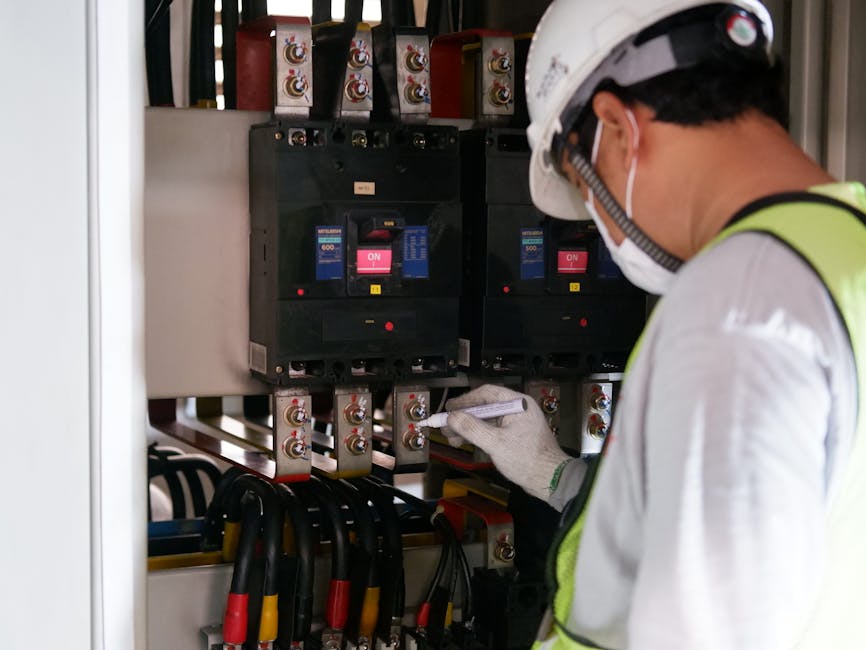
A professional technician must first perform a diagnostic check to determine exactly why the system is failing. This diagnostic fee is typically a flat rate that covers the technician’s time to travel to your home, inspect the unit, and pinpoint the issue. If you choose to move forward with the recommended repairs, some service providers may apply this fee toward the final bill, though this varies by company.
Labor rates represent another significant portion of the total invoice. Standard generator service technicians usually charge a modest hourly rate, while a licensed electrician specializing in complex control panels or transfer switches will command a higher hourly fee. Because standby systems interface directly with your home’s main electrical panel, having a qualified professional handle these repairs is essential for safety and local code compliance.
When you need reliable help, booking a professional generator repair ensures that the job is done safely, that your home’s electrical system is protected, and that your manufacturer warranty remains fully intact.
Common Generator Issues and Component Replacement Costs
To help you anticipate potential expenses, it is useful to look at the typical components that fail over time. Some parts are simple, inexpensive fixes, while others require extensive labor and high-end materials.
The table below outlines common generator repairs and how they generally compare in complexity and financial scope.
| Component / Repair | Repair Complexity | Cost Category |
|---|---|---|
| Battery Replacement | Low | Budget-Friendly |
| Voltage Regulator | Moderate | Moderate |
| Fuel Line Repair | Low to Moderate | Moderate |
| Starter Motor | Moderate | Moderate |
| Alternator Replacement | Moderate to High | Moderate to High |
| Transfer Switch | High | High |
| Stator Replacement | High | Very High |
| Engine Overhaul | Very High | Very High |
Investing in regular upkeep is the most effective way to prevent these components from failing prematurely. Homeowners who prioritize preventative care often save thousands of dollars over the lifespan of their equipment. You can read more about the long-term generator maintenance benefits to understand how simple checkups protect these vital components.
Minor Fixes and Battery Replacements
The most frequent reasons a generator refuses to start are often the simplest to resolve. At the top of this list is battery failure. Standby generator batteries are constantly kept on a trickle charger so they are ready to crank the engine at a moment’s notice. However, these batteries have a limited lifespan, typically lasting between three to five years. In cold climates like Boyne City, MI, and Charlevoix, MI, extreme winter temperatures can drain a weak battery overnight. Replacing a battery is a routine task that keeps your system reliable.
Other minor fixes include replacing fouled spark plugs, changing dirty air filters, and addressing minor fuel line issues. Over time, rubber fuel lines can degrade, crack, or become clogged by fuel varnish, especially if you run your system on gasoline containing ethanol. Repairing a fuel line or rebuilding a small carburetor on a portable unit is a straightforward process that restores proper fuel delivery without breaking the bank.
Major Electrical and Engine Generator Repair Cost Factors
When the problem moves deeper into the engine or the electrical generation side of the machine, the complexity increases. The stator and the alternator are responsible for converting the engine’s mechanical energy into usable electricity. If the stator burns out or the alternator fails, the generator may run perfectly but produce zero electrical power. Replacing these heavy, copper-wound components is labor-intensive and requires specialized knowledge, making it one of the more significant repairs you might face.
The transfer switch is another critical, high-level component. This device sits next to your main electrical panel and safely switches your home’s power source from the utility grid to the generator. If the transfer switch suffers from burned contacts or electrical surges, it must be replaced by a professional to ensure your home remains safe.
Engine overhauls represent the absolute peak of repair difficulty. If a generator is run without sufficient oil, or if a coolant leak causes the engine to seize, the internal components must be completely rebuilt or replaced. To protect your family and your property from the hazards of a sudden winter outage, it is vital to review safety tips during winter power outages so you are never left unprepared.
DIY Safety and Professional Guidance
While some homeowners may feel comfortable performing basic maintenance tasks like checking the oil or replacing an air filter, larger repairs present significant safety hazards. Working with fuel lines, high-voltage electrical wiring, and heavy engine components requires specialized training and tools. If safety concerns arise, specialized tools are required, or complex electrical systems are involved, homeowners should always contact a professional technician rather than attempting a DIY fix. This ensures your safety and prevents accidental damage that could void your warranty.
Standby vs. Portable: How System Type Impacts Your Bill
The type of generator you own plays a massive role in what you will pay for repairs. Portable generators and permanently installed standby systems are built differently, serve different purposes, and require completely different levels of technical expertise to service.

Portable generators are smaller, simpler machines. They are manually started, run on gasoline or liquid propane, and plug directly into individual appliances or a manual transfer switch. Because they lack complex automatic control boards and extensive wiring networks, troubleshooting them is much easier. Parts are widely available, and many repairs can be completed quickly on a technician’s workbench.
Standby systems, on the other hand, are sophisticated pieces of machinery. They are permanently wired into your home’s electrical system, connected directly to a natural gas or large propane fuel supply, and programmed to perform weekly self-test cycles.
When a standby system fails, a technician must inspect the engine, the digital control board, the fuel delivery valves, and the automatic transfer switch. The sheer size of these units, combined with the safety protocols required to work on high-voltage home electrical systems, naturally increases the labor hours required for any repair.
If you are considering upgrading from a portable unit to a permanent backup solution, reading a detailed what to expect during generator installation guide can help you plan your budget and understand the process.
Routine Maintenance and Generator Repair Cost Differences
The contrast between these two systems is also evident in their routine maintenance requirements. A portable generator requires basic care: periodic oil changes, fresh fuel, and occasional spark plug replacements. Many homeowners handle these tasks themselves, though professional tune-ups are available for those who want to ensure peak performance.
Standby generators require a structured maintenance plan to protect their warranty and ensure they operate seamlessly. Professional annual service agreements usually include:
- Complete oil and filter changes
- Fuel pressure and delivery system checks
- Coolant level and radiator inspections for liquid-cooled models
- Battery voltage and load testing
- Spark plug and air filter replacements
- Electrical output and frequency testing under an artificial load
These thorough inspections catch tiny issues before they turn into catastrophic failures. If you are looking for local support to handle these tasks, you can find local generator repair services on Yelp to read reviews and connect with trusted professionals in your specific neighborhood.
Repair vs. Replace: When to Invest in a New Generator
Every homeowner eventually faces a difficult decision: is it wiser to keep repairing an aging generator, or is it time to replace it entirely?
A well-maintained standby generator can reliably last between 15 and 20 years. However, if a system has been neglected, it may begin to experience frequent breakdowns and severe component failures within 7 to 10 years. If you find yourself calling a technician multiple times a year, those recurring service fees will quickly add up to a significant portion of what a new system would cost.
A good rule of thumb is the 50 percent rule. If a single repair estimate approaches or exceeds half the cost of a brand-new unit, replacement is almost always the smarter financial move. This is especially true if your current system is more than a decade old, as newer models offer superior fuel efficiency, quieter operation, and more advanced digital monitoring systems.
When you decide that a fresh start is the best path forward, exploring your options for a whole-home generator installation will give you peace of mind knowing you have a reliable, modern system backed by a brand-new manufacturer warranty.
Frequently Asked Questions About Generator Repair Cost
How much does a typical generator repair cost?
A typical repair can vary widely depending on the type of generator and the specific problem. Minor repairs, such as replacing a battery or adjusting a carburetor on a portable unit, are generally very affordable. Moderate repairs involving electrical diagnostics, starter motors, or voltage regulators fall into a mid-range category, while major overhauls or stator replacements represent a significant investment.
What are the most common reasons a home generator fails to start?
The most common culprit is a dead or weak battery. Other frequent issues include clogged fuel lines or gummed carburetors from old fuel, low oil levels (which trigger automatic safety shutdowns), fouled spark plugs, and incorrect control panel settings.
How much does annual standby generator maintenance cost?
Annual maintenance for a standby system is typically structured as a preventative service agreement. This service generally covers oil and filter changes, spark plug replacements, battery testing, and a comprehensive electrical system check to ensure the unit is ready for winter storms.
Is it cheaper to repair or replace an aging generator?
It depends on the age of the unit and the cost of the required repair. If the generator is over 10 to 12 years old and requires a major fix, such as an engine rebuild or stator replacement, investing in a new, highly efficient system is often more cost-effective in the long run.
What is the average hourly rate for a generator technician?
Labor rates vary by region and the technician’s level of specialization. General generator technicians charge a standard hourly rate, while licensed electricians required for complex wiring or transfer switch repairs command a higher hourly fee.
How often should a whole-house generator be serviced?
A standby generator should receive a professional maintenance inspection at least once a year. Additionally, homeowners should check the oil level after every 24 to 48 hours of continuous operation during an extended power outage.
Can I perform DIY maintenance on my portable generator?
Yes, basic tasks like changing the oil, replacing the spark plug, and cleaning the air filter are excellent DIY projects. However, if you encounter electrical output issues, fuel leaks, or complex engine problems, you should contact a professional to avoid safety hazards.
What are the hidden costs of skipping regular generator maintenance?
Skipping maintenance leads to premature engine wear, clogged fuel systems, and dead batteries. The biggest hidden cost is the risk of a complete system failure during a major power outage, which can lead to frozen pipes, spoiled food, and expensive emergency repair fees.
How much does it cost to replace a generator battery?
Replacing a battery is a routine maintenance task. Standby batteries are larger and designed to handle cold-weather starts, making them slightly more expensive than smaller batteries used in portable units, but they are essential for reliable starting.
Why is my generator leaking fuel, and how much does it cost to fix?
Fuel leaks are usually caused by a stuck carburetor float needle, cracked fuel lines, or dry-rotted gaskets. Because leaking fuel is a severe fire hazard, the system should be shut down immediately and repaired by a professional technician.
Conclusion
A standby generator is your home’s shield against the unpredictable weather of Northern Michigan. From Alba, MI, and Mancelona, MI, to Petoskey, MI, and Boyne Falls, MI, keeping this system in peak condition ensures your family remains warm, safe, and comfortable when the utility grid fails. While facing an unexpected repair can be stressful, staying ahead of maintenance is the single best way to control your long-term expenses.
At Quality Comfort Pros, we bring 28 years of family-owned, reliable expertise to every home service we provide. Whether you need a quick diagnostic check, a complex electrical repair, or a completely new backup power system, our team is equipped to service all major brands with the care and precision your home deserves.
Whether you need fast generator repairs, seasonal maintenance, or a complete system replacement, the team at Quality Comfort Pros is ready to help. Schedule professional generator maintenance or prepare your home with a whole-house generator today to keep your home protected.