Are Ductless Air Conditioners the Right Cooling Solution for Your Home?
If you are exploring ductless air conditioners for sale, here is a quick summary to help you make a confident decision:
Top things to know before you buy:
- What they are: Ductless mini split systems consist of an outdoor compressor unit and one or more indoor air handlers connected by refrigerant lines, with no ductwork required.
- Best for: Homes without existing ductwork, room additions, garages, and spaces needing independent temperature control.
- Efficiency: Ductless systems can reduce energy consumption by up to 30% compared to traditional central AC systems.
- Heating and cooling: Most models include heat pump functionality, providing year-round comfort in a single system.
- Sizing: Units range from 9,000 BTU (small rooms up to 350 sq. ft.) to 36,000 BTU and beyond for larger spaces.
- Efficiency ratings to look for: SEER2 ratings of 17 or higher indicate strong energy efficiency; premium models reach 24+ SEER2.
- Single-zone vs. multi-zone: Single-zone systems serve one room; multi-zone systems connect multiple indoor units to one outdoor condenser.
- Installation: Professional installation is recommended for most systems, though select DIY-friendly models with pre-charged line sets are available.
- Pricing: Costs vary depending on system capacity, number of zones, brand, and installation complexity.
- Where to buy: Available through HVAC specialists, big-box home improvement retailers, and online distributors.
Heating and cooling a home in Northern Michigan is not a minor concern. Winters can be relentless, summers increasingly warm, and the cost of running an inefficient system adds up fast. For many homeowners, traditional central air conditioning simply is not a practical option. Whether the home lacks existing ductwork, has a room addition that the main system cannot reach, or the current setup just is not performing the way it should, there is a growing conversation happening around ductless systems as a smarter alternative.
Ductless mini splits have shifted from a niche product to a mainstream solution over the past decade. What was once seen primarily as a workaround for apartments or older homes without ducts is now recognized as one of the most energy-efficient and flexible HVAC options on the market. The technology has matured considerably, with modern units offering inverter-driven compressors, smart home integration, multi-zone capability, and efficiency ratings that far exceed older central AC standards.
Still, shopping for the right system can feel overwhelming. There are dozens of configurations, capacity options, voltage requirements, and efficiency ratings to sort through before making a purchase. And once you find the right unit, questions about installation, maintenance, and long-term performance follow quickly behind.
This guide is designed to cut through the noise. Whether you are comparing your first ductless system or upgrading an existing setup, you will find straightforward answers to the questions that matter most.
I am JD Osman, and with over 20 years of experience in marketing, sales, and home services strategy, I have spent considerable time understanding what homeowners actually need when evaluating ductless air conditioners for sale and how to match the right system to the right space. In my current role at Quality Comfort Pros, that knowledge translates directly into helping Northern Michigan homeowners make confident, informed HVAC decisions.
Understanding Ductless Mini Split Systems vs. Central AC
To understand why so many homeowners are searching for ductless air conditioners for sale, it helps to compare them directly to traditional central AC units. Central air relies on a single, powerful outdoor condenser connected to a large indoor evaporator coil. This system pushes chilled air through a complex network of metal or flexible ductwork running through your attic, basement, or walls.
While central systems are excellent for uniform, whole-home cooling, they suffer from a major vulnerability: ductwork. Over time, ducts can develop leaks, cracks, and loose connections. According to the Department of Energy, typical duct systems lose up to 30% of their cooling energy to duct leakage and thermal loss. This means you are paying to cool your attic or crawlspace instead of your living room.
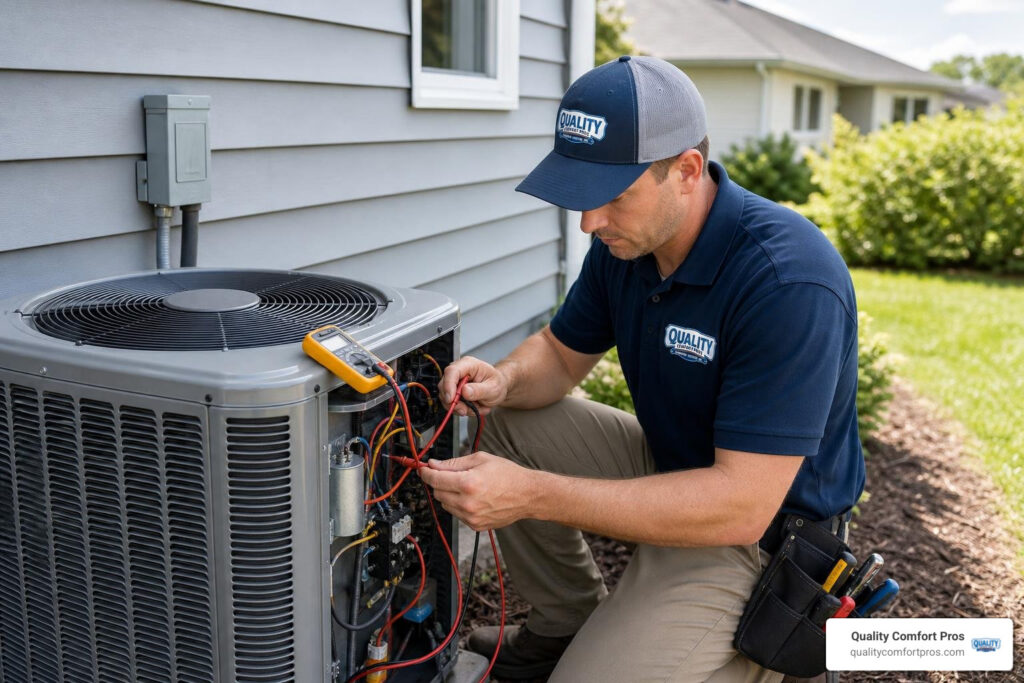
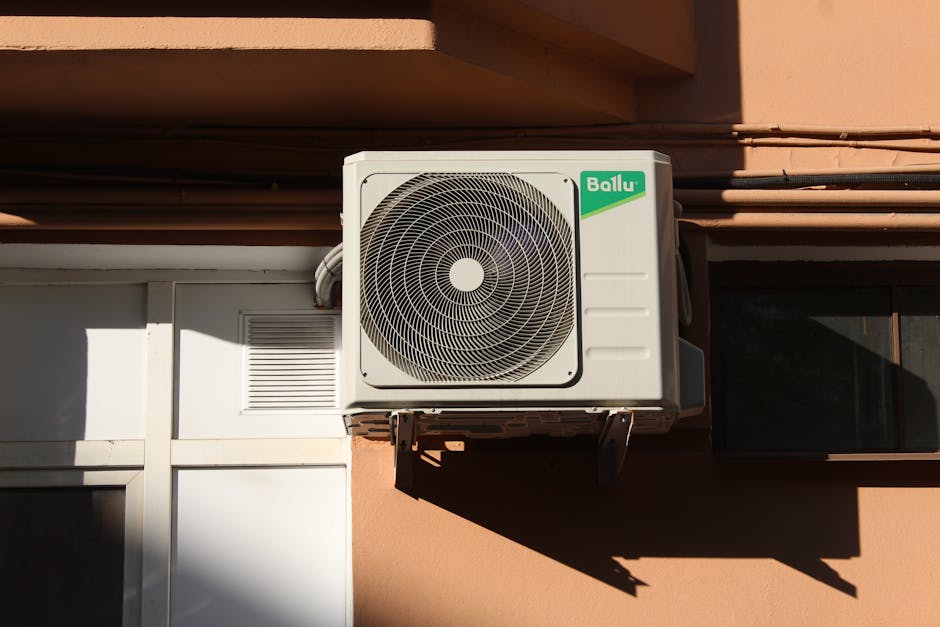
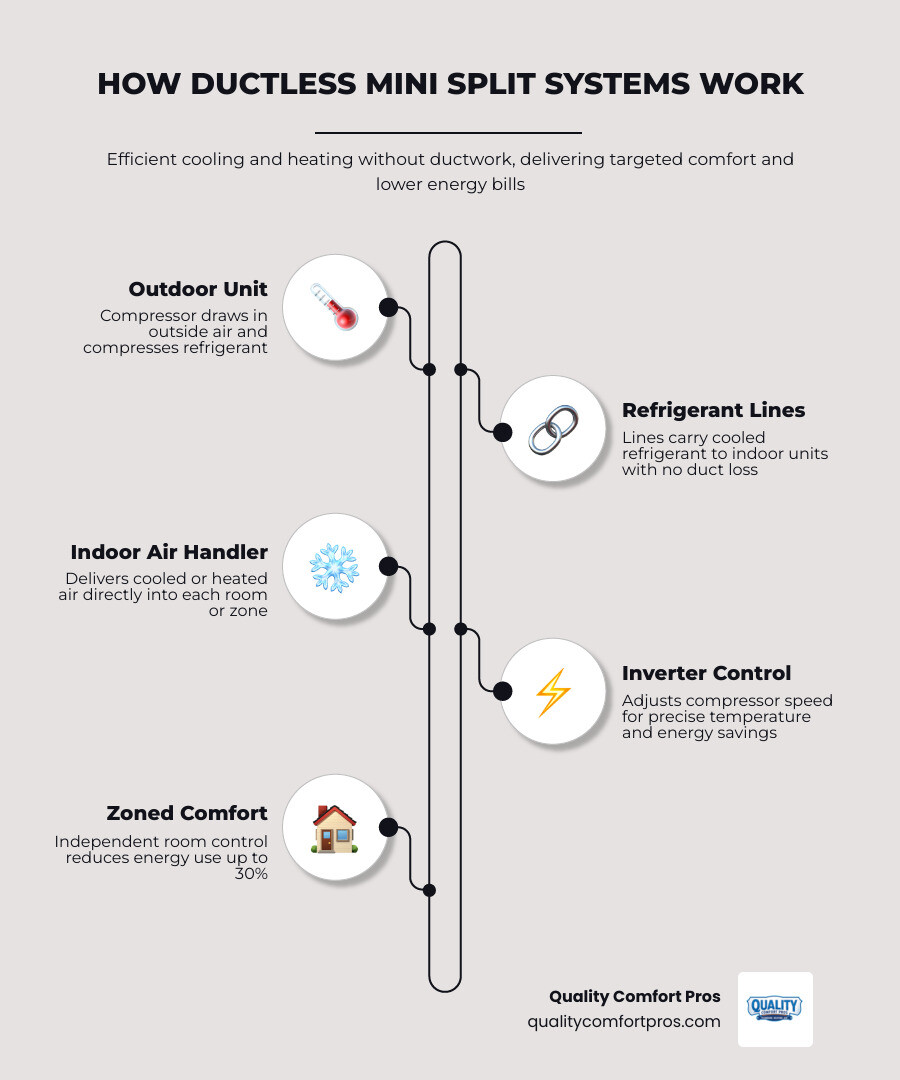
Ductless mini splits bypass this problem entirely. Instead of pushing air through hundreds of feet of ductwork, they deliver conditioned air directly into the room. A small conduit containing refrigerant lines, electrical wiring, and a condensate drain connects the outdoor condenser to one or more indoor air handlers mounted on the wall or ceiling.
This design allows for true zoned comfort. Rather than cooling the entire house to a single temperature, you can set different temperatures for individual rooms. If you prefer a cool bedroom for sleeping but want the living room slightly warmer, a ductless system makes it easy. For homes in Northern Michigan, where some rooms naturally run hotter or colder, switching to zoned climate control makes a massive difference in daily comfort. If you want to learn more about how these systems fit into your home, you can explore our comprehensive cooling services in Northern Michigan for expert guidance.
Key Benefits of Choosing Ductless Air Conditioners for Sale
When evaluating ductless air conditioners for sale, the list of advantages extends far beyond just avoiding ductwork. These systems represent a major leap forward in residential comfort technology.
First and foremost is energy efficiency. Traditional systems turn on at full blast, run until the thermostat is satisfied, and then shut off. This constant cycling consumes a massive amount of electricity. Ductless systems utilize advanced inverter technology, allowing the compressor to adjust its speed dynamically. It runs continuously at a low, ultra-efficient speed to maintain a steady temperature, saving you money on your monthly utility bills.
Another major benefit is indoor air quality. Because central AC systems recirculate air through dusty ductwork, they can spread allergens, pet dander, and mold spores throughout your home. Ductless air handlers feature multi-stage filtration systems within each individual unit. These filters capture dust, pollen, and airborne particles right at the source, providing cleaner air for your family.
Quiet operation is also a hallmark of ductless technology. Traditional window units or older central systems can be incredibly noisy, rattling and humming while you try to sleep or watch a movie. Indoor ductless air handlers operate so quietly that you will barely notice they are running, with some models operating at decibel levels lower than a whisper.
Finally, these systems provide year-round comfort. Most ductless units are actually heat pumps, meaning they can reverse the cooling process to provide highly efficient heating during the colder months. This is a game-changer for regional homeowners who want to reduce their reliance on propane or heating oil. You can discover why more Michigan homes are installing ductless mini-splits to see how local families are maximizing their year-round comfort.
Sizing and Technical Specifications for Your Home
Selecting the right system requires a basic understanding of key technical specifications. Sizing an AC unit is not about picking the largest model available, it is about matching the system’s capacity to the physical demands of your space.
The primary measurement of cooling and heating capacity is the British Thermal Unit (BTU). A single BTU represents the amount of energy needed to raise the temperature of one pound of water by one degree Fahrenheit. In the HVAC world, higher BTU ratings mean more heating and cooling power. If you install a system that is too small, it will run constantly without ever reaching your desired temperature. If you install one that is too large, it will cool the room too quickly without properly dehumidifying the air, leaving the space feeling damp and clammy.
Voltage options are another critical technical consideration. Smaller, single-zone units designed for small bedrooms or home offices often run on standard 115V household power. However, larger capacity systems and multi-zone setups generally require a dedicated 230V circuit. You must ensure your home’s electrical panel has the capacity to support the voltage requirements of your chosen system.
Modern ductless systems also utilize eco-friendly refrigerants and advanced inverter compressors to maximize performance while minimizing environmental impact. When shopping for high-performance equipment, you can check out the Department of Energy’s guide on mini-split systems to understand the high standards of modern engineering.
How to Choose the Right Ductless Air Conditioners for Sale
To find the perfect match for your home, you must calculate the square footage of the room or rooms you plan to condition. You also need to consider local climate zones, ceiling heights, insulation quality, and sunlight exposure.
To give you a general starting point, the table below outlines typical room sizes and their corresponding BTU requirements under standard conditions:
| Room Size (Square Feet) | Recommended BTU Capacity | Equivalent Tons |
|---|---|---|
| 150 to 350 | 9,000 BTU | 0.75 Ton |
| 350 to 550 | 12,000 BTU | 1.0 Ton |
| 550 to 800 | 18,000 BTU | 1.5 Tons |
| 800 to 1,200 | 24,000 BTU | 2.0 Tons |
| 1,200 to 1,500 | 36,000 BTU | 3.0 Tons |
If your room has exceptionally high ceilings, poor insulation, or large south-facing windows that let in a lot of heat, you may need to step up to the next capacity size to ensure comfortable indoor conditions.
Single-Zone vs. Multi-Zone Ductless Air Conditioners for Sale
As you browse your options, you will need to choose between single-zone and multi-zone systems. A single-zone system consists of one outdoor condenser and one indoor air handler. This is the ideal choice for single rooms, garage workshops, home offices, or newer room additions where extending the central HVAC ductwork is impractical.
A multi-zone system connects a single, more powerful outdoor condenser to multiple indoor air handlers. This setup allows you to create independent temperature zones throughout your entire home. Each indoor unit is controlled by its own thermostat or remote, giving you complete command over which rooms are cooled or heated at any given time. If you want to learn more about how smart technology coordinates these systems, read our article on how smart mini-split systems improve home comfort.
Professional Installation and Maintenance Considerations
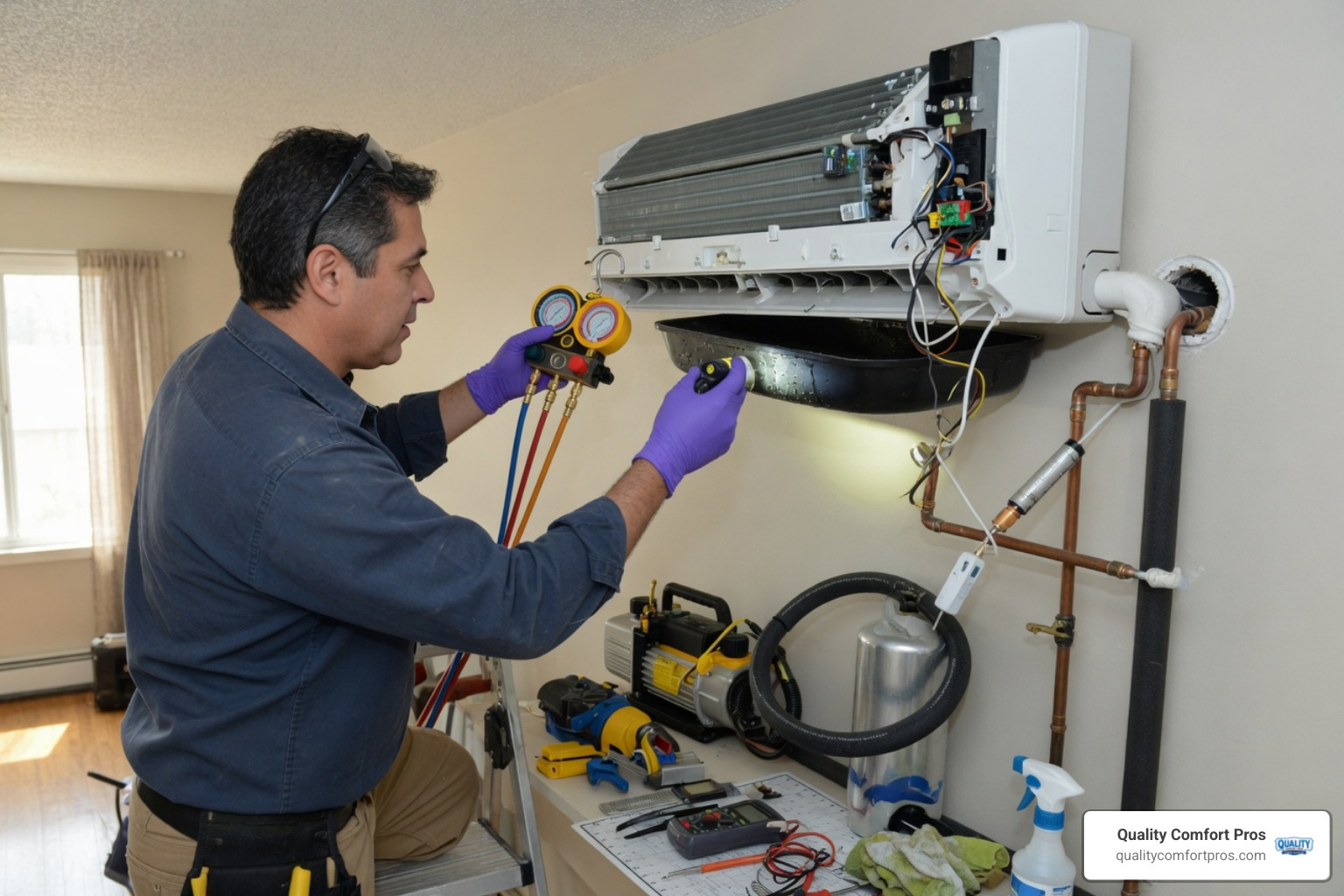
While some online retailers advertise DIY-friendly ductless systems, professional installation remains the safest and most reliable route for the vast majority of homeowners. A professional installation ensures that the outdoor condenser is mounted securely, the refrigerant lines are properly insulated and vacuumed, and the electrical connections comply with local building codes.
During a typical installation, the technician will drill a small three-inch hole through the exterior wall to run the line set, which contains the copper refrigerant lines, control wiring, and condensate drain. If these lines are not handled with care, you risk refrigerant leaks that can permanently damage the compressor.
To keep your system running at peak efficiency, regular maintenance is essential. This includes washing the reusable air filters every few weeks, keeping the outdoor condenser clear of leaves and debris, and scheduling annual professional tune-ups. Neglecting maintenance can lead to reduced airflow, higher utility bills, and premature component failure.
To ensure your system is installed correctly from day one, you can schedule a professional ductless mini-split installation in Gaylord, MI. Once your system is up and running, keeping up with seasonal check-ups through our dedicated ductless mini-split maintenance services will protect your investment for years to come.
Frequently Asked Questions About Ductless Mini Splits
What are ductless mini splits and how do they work?
Ductless mini splits are heating and cooling systems that do not require ductwork. They consist of an outdoor condenser unit and one or more indoor air handlers connected by a small conduit. The system uses heat pump technology to move heat. In the summer, it absorbs heat from inside your home and releases it outdoors. In the winter, the process reverses, pulling ambient heat from the outdoor air to warm your home.
How do I determine the right BTU size for my room?
The correct BTU size depends primarily on the square footage of the room. A general rule of thumb is to use 9,000 BTUs for rooms up to 350 square feet, 12,000 BTUs for up to 550 square feet, and 18,000 BTUs for up to 800 square feet. However, ceiling height, insulation quality, and window exposure can also influence the required capacity.
Can a ductless mini split replace my central heating system?
Yes, many modern ductless mini splits feature low-ambient heating technology that allows them to provide reliable warmth even when outdoor temperatures drop well below freezing. For homes in colder climates, they can serve as the primary heating source or act as highly efficient supplemental heat to reduce reliance on more expensive fuel sources.
What is the difference between SEER and SEER2 ratings?
SEER stands for Seasonal Energy Efficiency Ratio, which measures the cooling efficiency of an AC unit over an entire season. SEER2 is the updated national standard implemented in 2023, which uses new, more rigorous testing conditions that better reflect real-world installation environments. A higher SEER or SEER2 rating means the system uses less electricity to cool your home.
Are ductless air conditioners difficult to install?
While the physical mounting of the indoor air handler is straightforward, the overall installation requires specialized tools and technical expertise. Running the line sets, vacuuming the refrigerant lines, checking for leaks, and making high-voltage electrical connections are tasks best left to licensed HVAC professionals to protect your warranty and ensure safe operation.
How long do ductless mini split systems typically last?
With proper installation and regular maintenance, a high-quality ductless mini split system can last between 15 and 20 years. This longevity often exceeds that of traditional central AC systems, which typically last 10 to 15 years, largely because ductless systems do not suffer from the dust accumulation and static pressure issues associated with ductwork.
What maintenance do ductless AC units require?
The most important maintenance task is cleaning the indoor unit air filters every two to four weeks, which you can easily do by rinsing them in warm water. Additionally, you should keep the outdoor unit free of debris, check the condensate drain line for blockages, and schedule a professional inspection once a year to check electrical connections and refrigerant levels.
Can I install a multi-zone system over time?
Yes, if you plan ahead. You can purchase a multi-zone outdoor condenser designed to support a specific number of indoor units, even if you only install one or two air handlers initially. As your budget allows or when you complete home renovations, you can connect additional indoor units to the remaining ports on the outdoor condenser.
Are ductless mini splits noisy during operation?
No, ductless systems are exceptionally quiet. Because the noisy compressor and fan motor are located outdoors, the indoor air handlers only contain a small, balanced fan. Most indoor units operate at decibel levels between 19 and 30 decibels, which is quieter than a library and barely noticeable during daily activities.
How much energy can I save by switching to a ductless system?
Homeowners can save up to 30% on their cooling energy costs by switching to a ductless system. These savings come from eliminating ductwork energy losses, utilizing variable-speed inverter compressors that do not cycle on and off constantly, and having the ability to turn off indoor units in unoccupied rooms.
Conclusion
Finding the right ductless air conditioners for sale is a major step toward taking control of your home’s comfort and energy bills. Whether you live in a historic home in Charlevoix, MI, a cozy cabin in Atlanta, MI, or a modern build in Petoskey, MI, ductless technology offers a flexible, high-performance solution that traditional central systems simply cannot match. From single-room additions to comprehensive multi-zone setups, these systems provide quiet, efficient, and reliable climate control all year round.
If you are ready to upgrade your home’s heating and cooling system, the experienced team at Quality Comfort Pros is here to help you every step of the way. We proudly serve Gaylord, MI, and the surrounding Northern Michigan communities, including Alba, MI, Bellaire, MI, Boyne City, MI, East Jordan, MI, Grayling, MI, Mancelona, MI, and Vanderbilt, MI. You can easily schedule a ductless mini-split replacement in Gaylord, MI to upgrade your outdated equipment.
Whether you need a new system setup, seasonal maintenance, or a complete system upgrade, the team at Quality Comfort Pros is ready to deliver exceptional results. You can schedule your professional HVAC installation today to start enjoying a more comfortable, energy-efficient home.