Why Boiler Radiator Replacement Is One of the Most Important Home Upgrades You Can Make
Boiler radiator replacement is the process of removing aging or failing radiators and boiler equipment and installing modern, efficient alternatives to restore reliable home heating. If you are dealing with cold spots, rising energy bills, or a boiler that groans and sputters through the winter, here is a quick overview of what the process involves:
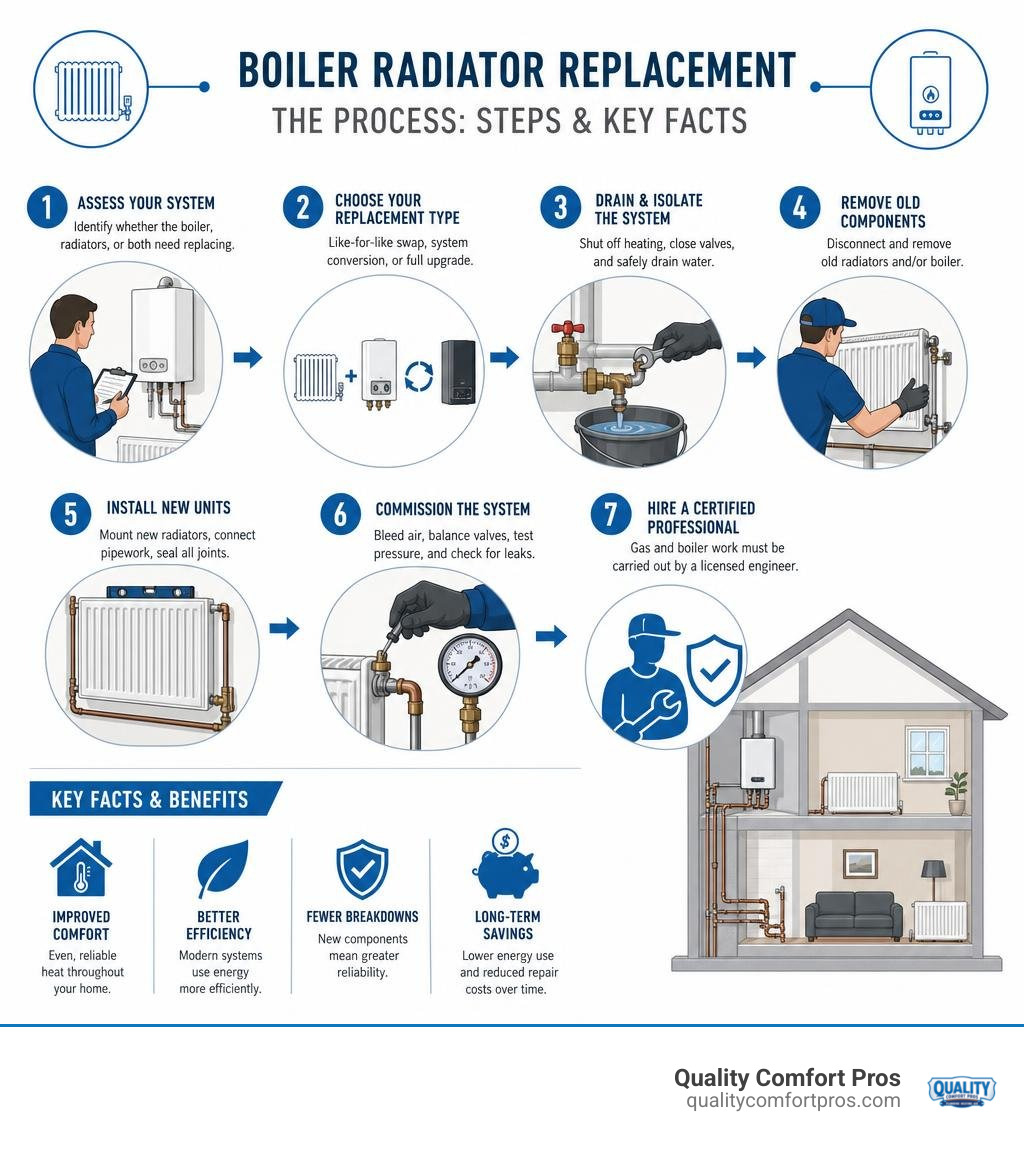
Quick Answer: What Does Boiler Radiator Replacement Involve?
- Assess your system: Identify whether the boiler, radiators, or both need replacing
- Choose your replacement type: Like-for-like swap, system conversion, or full upgrade
- Drain and isolate the system: Shut off heating, close valves, and safely drain water
- Remove old components: Disconnect and remove old radiators and/or boiler
- Install new units: Mount new radiators, connect pipework, seal all joints
- Commission the system: Bleed air, balance valves, test pressure, and check for leaks
- Hire a certified professional: Gas and boiler work must be carried out by a licensed engineer
Older homes, especially those built before the 1980s, often rely on heating systems that are well past their useful life. Cast iron radiators sized for high-temperature water, gravity-fed pipe runs with oversized mains, and boilers running at 60 to 70% efficiency are common in homes that have never had a heating upgrade. Replacing these systems can dramatically improve comfort, reduce energy waste, and prevent the kind of mid-winter breakdowns that leave families scrambling for space heaters.
The cost and complexity of a replacement project varies widely. A straightforward like-for-like radiator swap is very different from converting an entire system to a modern condensing boiler with zoned controls. Pricing can vary depending on several factors, including boiler type, number of radiators, pipe condition, and local labor rates. Understanding what you actually need before calling a contractor is the best way to avoid surprises.
I’m JD Osman, and with over 20 years of experience in home services and a deep focus on heating system performance at Quality Comfort Pros, I have helped countless Northern Michigan homeowners navigate the full boiler radiator replacement process from assessment to commissioning. In this guide, I will walk you through everything you need to know to make a confident, informed decision.
Signs It Is Time to Upgrade Your Heating System
As the years roll by, even the most robust home heating systems begin to show their age. If your home relies on a central boiler and a network of radiators, you might find yourself adjusting to a slowly declining level of comfort without even realizing it. Recognizing the early warning signs of system failure can save you from a complete heating loss during the freezing winter months in Gaylord, MI.
When a heating system begins to fail, it rarely happens all at once. Instead, you will notice subtle warnings: a room that never quite reaches the temperature set on the thermostat, a strange metallic smell near a radiator, or a utility bill that seems to climb higher every month despite normal usage. If you find yourself frequently calling for professional heating repair services, it is highly likely that a coordinated replacement is a more cost-effective long-term solution than continuous, expensive band-aid repairs.
Common Radiator Failures
Individual radiators are incredibly durable, but they are not immortal. Over decades of constant exposure to hot water and dissolved oxygen, several common failure points tend to emerge:
- Internal Sludge Buildup: This is perhaps the most common issue in older hydronic systems. Over time, black iron oxide sludge (often called magnetite) settles at the bottom of your radiators. This thick, muddy deposit blocks the flow of hot water, leaving the bottom of the radiator cold while the top remains warm.
- Pinhole Leaks: External corrosion or internal chemical reactions can wear down the metal walls of a radiator, leading to tiny, weeping pinhole leaks. These leaks can slowly ruin your hardwood floors, stain carpets, and continuously introduce fresh, oxygen-rich water into the system, which accelerates corrosion.
- Blocked or Frozen Valves: The manual or thermostatic valves that control the flow of hot water into each radiator can seize up over time. When a valve gets stuck in the closed or partially open position, you lose the ability to regulate the temperature of that specific room.
- Uneven Heating and Cold Spots: If a radiator is hot on one side and cold on the other, or if it takes hours to warm up, it is a clear sign of restricted flow or severe internal blockages.
Boiler Performance Issues
While radiator problems are usually localized, issues with your central boiler affect the entire household. Modern condensing boilers are highly efficient, but older cast-iron or mid-efficiency models eventually reach a point of diminishing returns.
If your boiler is struggling to maintain a steady pressure, it often indicates an expansion tank issue or a slow leak hidden somewhere in your home’s piping network. Strange noises, such as banging, whistling, or kettling (which sounds like a boiling tea kettle), are usually caused by limescale and sludge buildup on the boiler’s heat exchanger. This restriction overheats the water locally, causing steam bubbles to form and collapse violently. If you are scheduling repairs multiple times a season, investing in timely boiler maintenance is always smart, but it may also reveal that the system is simply past its prime and ready for retirement.
Planning Your Boiler Radiator Replacement: Key Considerations
Embarking on a boiler radiator replacement requires careful planning. You cannot simply swap out parts without looking at the system as a whole. Your boiler, radiators, expansion tank, and pipework function as a closed, delicate ecosystem. Altering one component directly impacts the performance of the others.
When preparing for a comprehensive heating replacement, you must evaluate your home’s heat loss, the existing pipe layouts, and how you want to control the temperature in different parts of your house. Designing a system that matches the unique architectural needs of your home ensures maximum comfort and energy efficiency.
Assessing Your System for Boiler Radiator Replacement
Before purchasing any new equipment, a thorough assessment of your existing infrastructure is critical. Many older homes in areas like Charlevoix, MI and East Jordan, MI originally utilized gravity-fed hot water heating systems. These vintage systems relied on natural convection rather than circulator pumps, utilizing massive two-inch or three-inch steel or cast-iron pipes to move water.
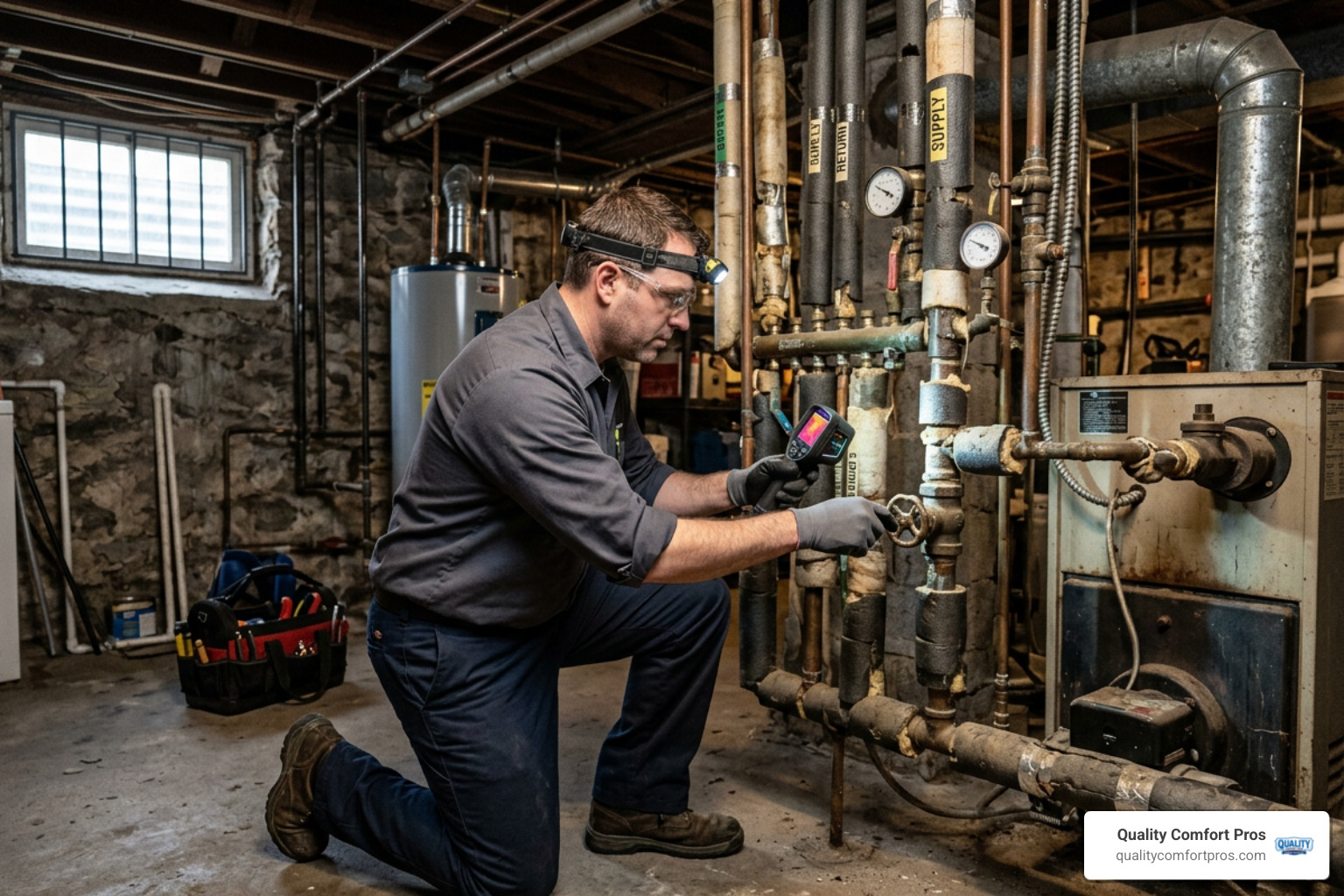
When retrofitting these systems with a modern condensing boiler, you must determine if the existing pipework can handle the higher velocity and pressure of a pumped system. While it is sometimes possible to reuse heavy-gauge steel mains, doing so requires a thorough system flush to remove decades of accumulated rust.
In many cases, replacing visible vertical risers with flexible, durable PEX tubing is the best path forward. PEX is resistant to scale buildup, highly flexible, and far easier to route through old walls without causing major structural damage. Additionally, your technician must carefully size the new expansion tank. Modern systems require precisely sized expansion tanks to accommodate the changing volume of water as it heats and cools, preventing dangerous pressure spikes. For a deeper look at your retrofitting choices, you can explore various modern boiler replacement options to see how different configurations fit older home layouts.
Choosing the Right Radiator Types
When it comes to selecting new radiators, you have several excellent options, each offering distinct aesthetic and performance characteristics:
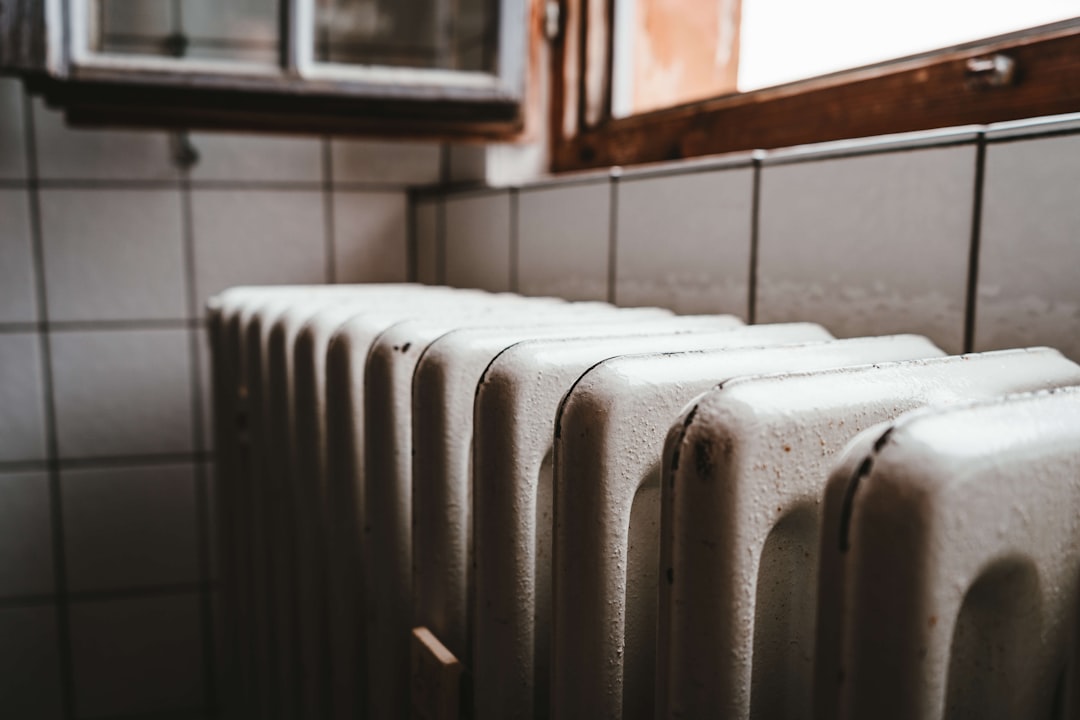
- Cast Iron Radiators: If you want to preserve the historic charm of a century-old home, modern cast iron radiators are an excellent choice. They take longer to warm up but retain heat for a very long period, providing a gentle, incredibly consistent radiant warmth.
- Steel Panel Radiators: These are the modern standard. They are lightweight, heat up rapidly, and feature a slim, unobtrusive profile. Steel panel radiators are highly efficient and pair beautifully with modern low-temperature condensing boilers.
- Steam Radiators: Specifically designed for steam boiler systems, these units are built to withstand higher pressures and temperatures. If your home has a legacy steam setup, you must replace old units with dedicated steam-rated radiators rather than hot water models.
- Electric Radiators: Ideal for home additions or rooms that are difficult to connect to your central plumbing network. Electric units operate independently, making them highly versatile for localized zone heating.
Comparing Radiators, Underfloor Heating, and Forced Air
When planning a heating overhaul, homeowners often wonder if they should stick with a traditional radiator setup or convert to an alternative heating method. The three main contenders are hydronic radiators, underfloor radiant heating, and forced-air systems.
Each system has its own set of advantages and challenges. To help you visualize how these heating methods stack up against one another, we have compiled a direct comparison:
| Feature | Hydronic Radiators | Underfloor Radiant Heating | Forced Air Systems |
|---|---|---|---|
| Heat Distribution | Even radiant warmth, warm zones near units | Exceptionally even, warm floors to ceiling | Uneven, warm air rises quickly to the ceiling |
| Indoor Air Quality | Excellent (no dust movement) | Excellent (no dust movement) | Moderate to poor (circulates dust and allergens) |
| Installation Complexity | Moderate (uses existing pipe routes) | High (requires lifting floors) | High (requires extensive ductwork) |
| Operational Noise | Virtually silent | Completely silent | Moderate (fan and air movement noises) |
| Aesthetic Impact | Visible wall-mounted units | Completely invisible | Low-profile floor or wall registers |
The Benefits of Hydronic Radiators
Hydronic radiators remain incredibly popular for good reason. Unlike forced-air systems that blow dry, dusty air around your home, radiators emit a mix of radiant and convective heat. Radiant heat warms the objects and people in the room directly, creating a cozy, drafting-free environment that feels much more natural and comfortable.
Additionally, hydronic systems are completely silent. There are no loud fans cycling on and off, and no rushing air noises in the middle of the night. By utilizing thermostatic radiator valves (TRVs), you can easily establish independent temperature zones throughout your home. This allows you to lower the heat in unused guest rooms while keeping your living spaces perfectly warm, leading to substantial energy savings. If you are ready to experience these benefits firsthand, securing an expert heating system installation ensures your new radiators are perfectly sized and balanced for your home.
Exploring Underfloor Radiant Heating
Underfloor radiant heating is often considered the gold standard of home comfort. By circulating warm water through flexible tubing installed beneath your flooring, this system turns your entire floor into a giant, low-temperature radiator. According to the U.S. Department of Energy, radiant heating systems can be highly efficient and provide exceptionally uniform heat distribution.
By switching to underfloor heating, homeowners can save up to 25% on energy bills compared to traditional heating methods. This efficiency stems from the fact that radiant floor systems run at much lower water temperatures while delivering the same perceived level of warmth. However, retrofitting underfloor heating into an existing home can be a disruptive and labor-intensive process, as it requires removing and replacing your existing floors.
How to Safely Replace a Radiator: A Step-by-Step Guide
Replacing a radiator is a highly technical task that requires patience, precision, and the right tools. While a handy homeowner can manage a basic radiator swap, working with pressurized hot water systems always carries a risk of water damage or personal injury.
Before you begin, gather your safety gear, including heavy-duty gloves, safety glasses, and plenty of old towels or drop cloths to protect your flooring. Ensuring you have a professional system installation is the safest way to guarantee your system operates flawlessly and remains leak-free for years to come.
Step-by-Step Guide to Boiler Radiator Replacement
If you are planning to replace a plumbed hot water radiator, follow these essential structural steps to ensure a safe and successful installation:
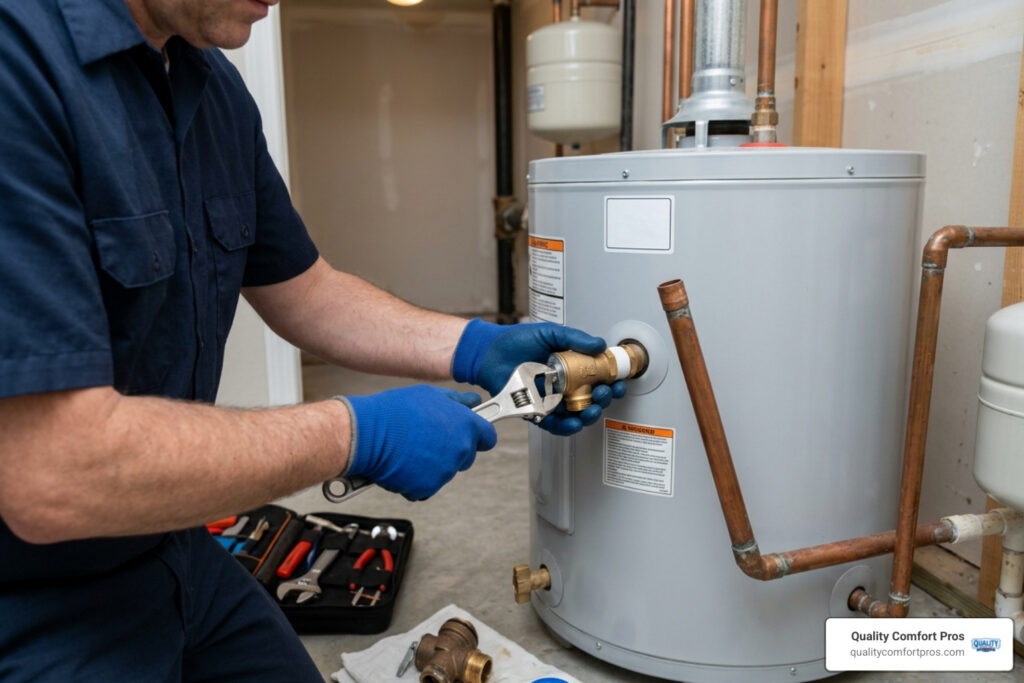
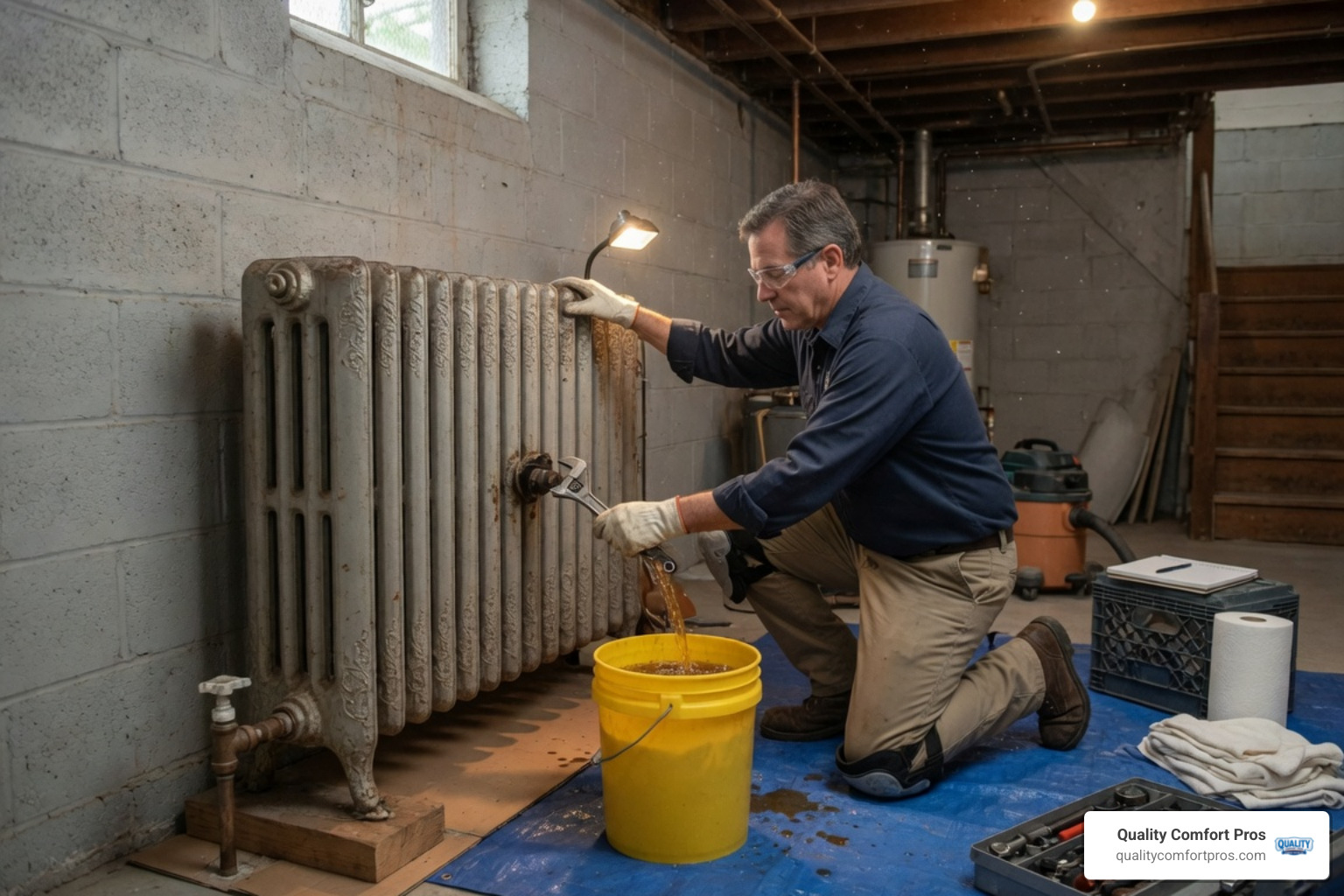
- Isolate the Radiator: Turn off your central heating system and allow the water to cool completely. Close the manual control valve (or thermostatic valve) on one side of the radiator, and close the lockshield valve on the opposite side. To close a lockshield valve, you will need to remove its plastic cap and use an adjustable wrench to turn the metal stem clockwise until it stops.
- Drain the Radiator: Place a shallow container under the control valve. Use an adjustable wrench to carefully loosen the union nut connecting the valve to the radiator. Keep a towel handy, as water will begin to trickle out. Open the bleed valve at the top of the radiator using a radiator key to release the internal vacuum, allowing the water to drain out faster.
- Remove the Old Unit: Once the water stops flowing, fully disconnect both valve unions. Carefully lift the radiator off its wall brackets. Be prepared, as older cast iron or steel radiators can be incredibly heavy and may still contain a small amount of dirty, sludgy water.
- Install New Brackets: Modern radiators rarely align perfectly with old wall brackets. Measure your new unit, mark the wall, and use a digital detector to check for hidden pipes or electrical wires before drilling. Securely mount the new brackets to the wall studs.
- Prepare and Mount the New Radiator: Wrap PTFE thread-sealing tape clockwise approximately 10 times around the threads of the new radiator tails before screwing them into the radiator. Hang the new radiator onto its brackets and carefully align the connections with your existing pipework.
- Reconnect and Refill: Hand-tighten the union nuts onto the valves, then secure them firmly with your wrench. Slowly open the valves to let water back into the radiator, and keep your bleed key handy to let trapped air escape as the unit fills.
To ensure your boiler is capable of supporting these changes and operating at peak performance, booking a routine boiler tune up service is highly recommended during any system modification.
Balancing and Commissioning the System
Once your new radiator is securely mounted and connected, the job is not quite finished. You must now balance and commission the system to ensure hot water is distributed evenly to every radiator in your home.
If you skip this step, the radiators closest to your boiler will receive the majority of the hot water, leaving the furthest rooms cold and drafty. To balance the system, you must adjust the lockshield valves on each radiator. Radiators closest to the boiler should have their lockshield valves opened only a fraction of a turn, while the furthest radiators should have their valves opened completely. This creates equal resistance throughout the piping network, ensuring a perfectly balanced flow of heat to every room.
Frequently Asked Questions about Boiler Radiator Replacement
How much does a boiler radiator replacement cost?
The total cost of a boiler radiator replacement can vary depending on several factors, including the size of your home, the number of radiators being replaced, the type of boiler you select, and whether your existing pipework needs to be upgraded. A basic, like-for-like radiator swap is relatively straightforward, while a full system overhaul involving a new condensing boiler, updated piping, and multiple new radiators represents a more significant investment.
How long does it take to replace a boiler and radiators?
A standard boiler replacement typically takes between one and three days to complete. If you are also replacing all the radiators and updating the underlying pipework throughout your home, the entire project can take anywhere from three to five days, depending on the complexity of the building’s layout.
Can I replace a radiator myself or do I need a professional?
While a skilled DIY enthusiast can safely replace a single, like-for-like radiator, any work involving gas lines, complex electrical wiring, or central boiler installation must legally and safely be performed by a licensed professional. Working on pressurized hydronic systems carries a high risk of severe water damage and heating system failure if done incorrectly.
Do I need to replace all my radiators when getting a new boiler?
No, you do not necessarily have to replace all your radiators. If your existing radiators are in good structural condition and free of internal blockages, they can easily be paired with a new boiler. However, performing a deep system flush is highly recommended to prevent old sludge from entering and damaging your brand-new boiler.
Can I mix cast iron and steel radiators on the same system?
Yes, you can mix cast iron and steel panel radiators on the same hydronic system, but it requires careful balancing. Because cast iron heats up and cools down much slower than steel, mixing them can lead to uneven room temperatures if the system’s flow rates and thermostatic controls are not adjusted properly.
How do I know if my existing pipes can be reused?
A professional heating technician can assess your pipes by performing visual inspections for corrosion, checking for slow pressure drops, and evaluating the overall flow rate. If your home has old gravity-fed steel pipes, they may require a heavy chemical flush or partial replacement to function efficiently with a modern, high-pressure pump system.
What is the difference between steam and hot water radiators?
Steam radiators operate at much higher temperatures and pressures, relying on steam rising from a boiler to heat the metal. Hot water radiators utilize a circulator pump to continuously push hot water through the system. The two systems use completely different valves, pipe configurations, and boiler designs, and their components are not interchangeable.
How can I make my radiator system more energy efficient?
You can significantly boost efficiency by installing thermostatic radiator valves (TRVs) on every unit, upgrading to a smart learning thermostat, and zoning your home so you only heat the rooms you are actively using. Additionally, scheduling annual maintenance and keeping your system free of air and sludge will keep operating costs low.
Why is my new radiator cold at the top?
If a radiator is warm at the bottom but cold at the top, it almost always means there is air trapped inside the unit. This is a very common issue that can easily be resolved by using a radiator key to open the bleed valve at the top of the unit, allowing the trapped air to hiss out until a steady stream of water appears.
What permits are required for boiler radiator replacement?
In most municipalities, replacing a central boiler requires a mechanical permit and a subsequent safety inspection to ensure compliance with local building and safety codes. A certified heating contractor will typically handle the entire permitting process on your behalf to ensure your system is fully compliant.
Conclusion
Upgrading your home’s heating system is an investment in your family’s comfort, safety, and financial peace of mind. By replacing outdated, inefficient radiators and boilers with modern, high-performance hydronic systems, you can eliminate frustrating cold spots, enjoy whisper-silent operation, and significantly lower your monthly energy bills. Whether you are living in Gaylord, MI, Petoskey, MI, or Boyne City, MI, having a reliable heating system is absolutely essential to weathering our long, intense Northern Michigan winters.
At Quality Comfort Pros, we have spent 28 years delivering reliable, family-owned heating solutions tailored to the unique needs of our local communities. Our experienced team is fully compatible with all major equipment brands, ensuring your system design and installation are handled with the highest level of craftsmanship. When you are ready to transition your home to modern, efficient warmth, contact Quality Comfort Pros to schedule your expert boiler repair and installation services today.