Why Finding the Best Drinking Water Filtration System for Home Matters More Than Ever
Finding the best drinking water filtration system for home use is one of the most impactful decisions you can make for your family’s health, comfort, and long-term peace of mind. Whether your water comes from a municipal supply or a private well, what comes out of your tap may contain chlorine, lead, PFAS, sediment, or other contaminants you can’t see, smell, or taste.
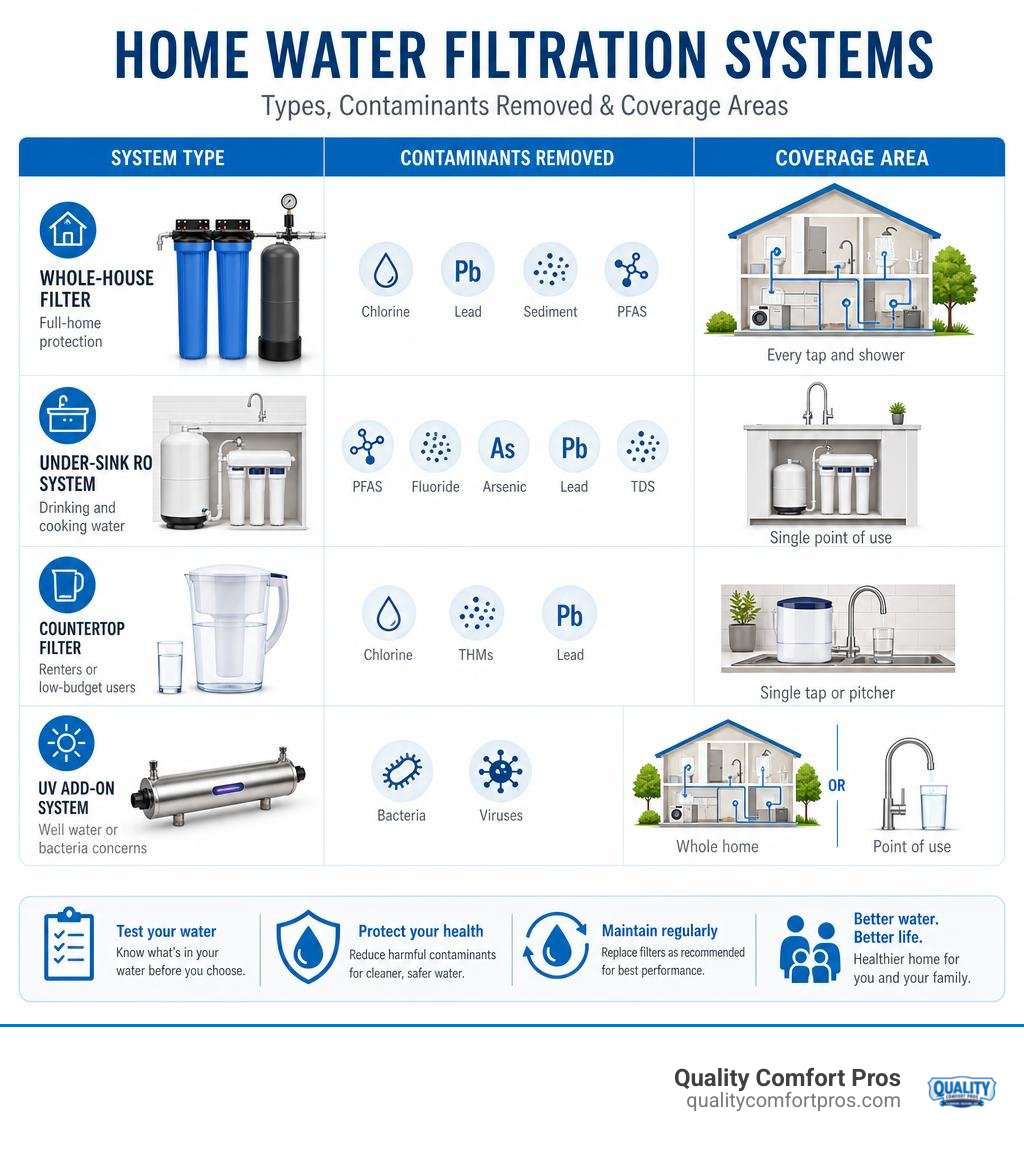
Here is a quick look at the top home water filtration options to help you decide fast:
| System Type | Best For | Contaminants Targeted | Coverage |
|---|---|---|---|
| Whole-House Filter | Full-home protection | Chlorine, lead, sediment, PFAS | Every tap and shower |
| Under-Sink RO | Drinking and cooking water | PFAS, fluoride, arsenic, lead, TDS | Single point of use |
| Countertop Filter | Renters or low-budget users | Chlorine, THMs, lead | Single tap or pitcher |
| UV Add-On | Well water or bacteria concerns | Bacteria, viruses | Whole home or point of use |
A few things worth knowing upfront:
- Whole-house systems can reduce up to 97 percent of chlorine and last up to 1,000,000 gallons or 10 years.
- High-quality reverse osmosis systems have achieved non-detectable levels of PFAS, fluoride, and THMs in independent lab testing.
- Not every home needs the same solution. Your water source, household size, and specific contaminant concerns should all drive your decision.
- The CDC recommends testing your water before choosing any filtration system rather than relying on taste or appearance alone.
The right system is not simply the most expensive or the most popular. It is the one that matches your water quality, your household’s daily demand, and your willingness to maintain it over time.
I’m JD Osman, a business owner and marketing executive with over 20 years of experience helping homeowners make smarter decisions about their home comfort and safety systems, including identifying the best drinking water filtration system for home use in real-world conditions across Northern Michigan. In the sections below, I’ll walk you through everything you need to know to choose, install, and maintain the right system for your home.
Understanding Your Water: City Water vs. Well Water Needs
Before you begin shopping for a filtration system, you must understand where your water originates. Municipal city water and private well water present entirely different profiles, meaning a system that works perfectly for a home in Petoskey, MI, might be completely inadequate for a rural property in Johannesburg, MI.
Municipal water systems are pre-treated to meet federal safety guidelines, but they are far from perfect. City treatment facilities typically use chlorine or chloramines to disinfect water. While this keeps harmful pathogens out, it leaves behind an unpleasant chemical taste and odor. Furthermore, as treated water travels through miles of aging city infrastructure, it can pick up heavy metals like lead. If your home is hooked up to city water in Gaylord, MI, or Boyne City, MI, your primary filtration goals will likely be removing chlorine, chloramines, sediment, and heavy metals. To understand the standards set for public safety, you can review the guidelines established by the U.S. Environmental Protection Agency regarding public water systems.
On the other hand, well water is completely untreated. If your home in Mancelona, MI, or Vanderbilt, MI, relies on a private well, you are solely responsible for your water’s safety. Well water is highly susceptible to naturally occurring contaminants like iron, manganese, sulfur (which causes that notorious rotten-egg smell), and hard water minerals like calcium and magnesium. Runoff from nearby agricultural areas can also introduce nitrates, pesticides, and harmful bacteria or viruses into your aquifer.
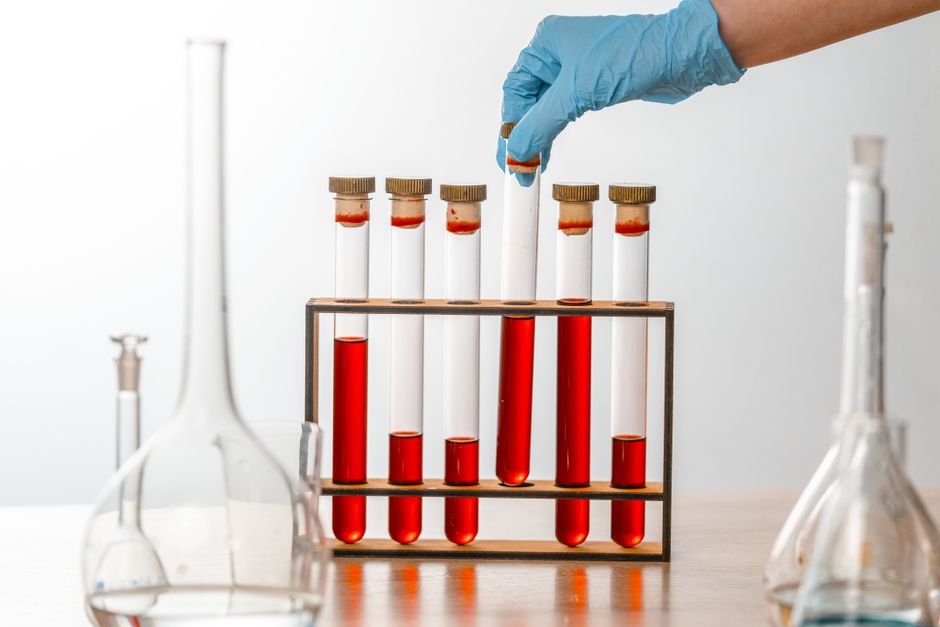
To determine exactly what is lurking in your tap, you should never rely on smell or taste alone. A professional analysis is the only way to establish a baseline. You can learn more about professional water quality test options to pinpoint exactly what needs to be filtered out of your specific water supply.
Comparing Whole-House, Under-Sink, and Countertop Systems
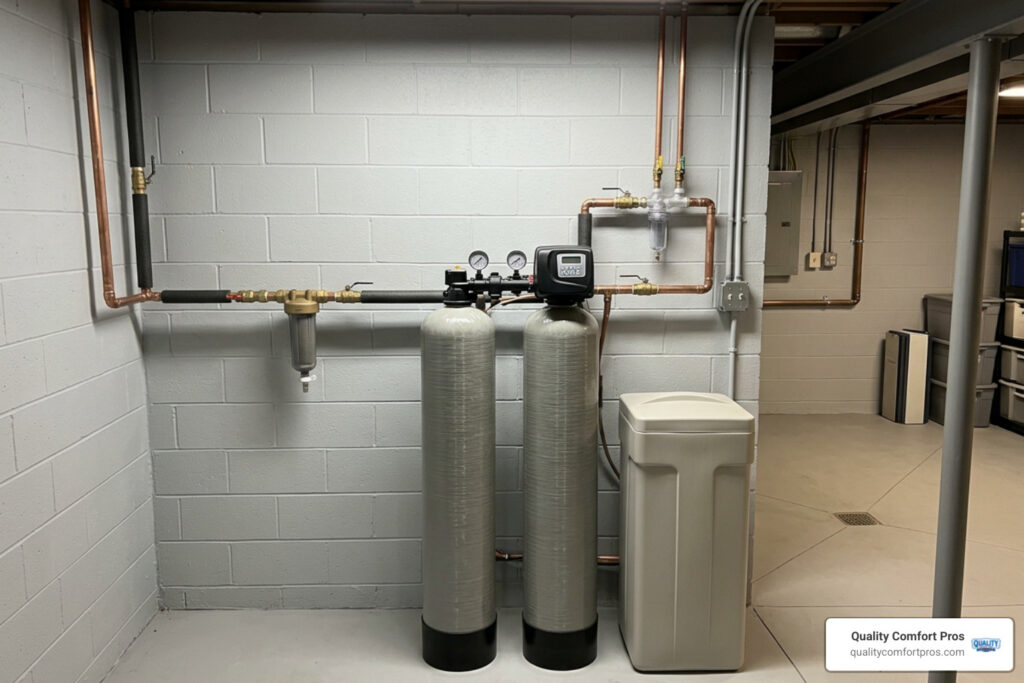
When evaluating the best drinking water filtration system for home use, you will generally choose between point-of-entry systems (whole-house) and point-of-use systems (under-sink and countertop).
Whole-House Filtration Systems
Whole-house systems are installed at your main water line. This means every single drop of water entering your home, whether it is going to your kitchen faucet, your master shower, or your washing machine, is thoroughly filtered. The primary advantage here is total coverage. You will not have to worry about breathing in vaporized chlorine during hot showers, and your household appliances will be protected from sediment and mineral scale.
Under-Sink Filtration Systems
Point-of-use systems, such as under-sink reverse osmosis units or multi-stage carbon filters, only treat water at a single tap. While they do not protect your pipes or showers, they often provide much more intensive filtration for the water you actually consume. These systems are ideal for families who want pristine drinking and cooking water without the higher upfront cost of a whole-house setup.
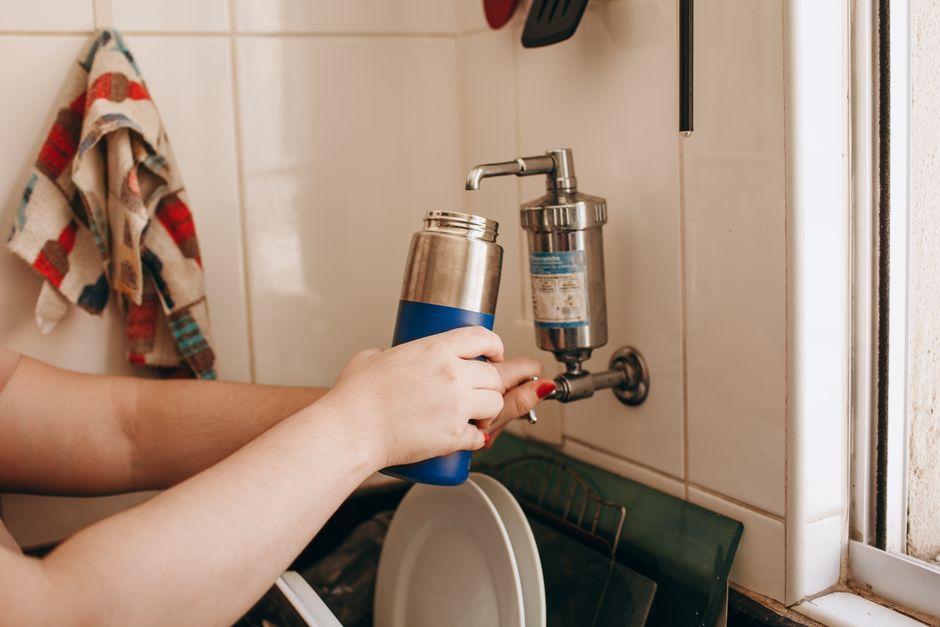
Countertop Filtration Systems
Countertop systems are highly convenient, especially for renters or those with limited space. They require no permanent plumbing modifications and can be set up in minutes. While they offer excellent filtration for basic contaminants like chlorine and sediment, they have lower capacities and slower flow rates compared to under-sink or whole-house alternatives.
To help you weigh these options, consider this comparison table:
| Feature | Whole-House Systems | Under-Sink Systems | Countertop Systems |
|---|---|---|---|
| Coverage | Every tap, shower, and appliance | Single dedicated faucet | Single tap or manual fill |
| Typical Contaminants | Chlorine, sediment, rust, large particulates | Lead, PFAS, fluoride, arsenic, TDS, chemicals | Chlorine, lead, taste, odor |
| Flow Rate | High (typically 9 to 15+ GPM) | Moderate (fills a glass in seconds) | Slow (often relies on gravity or small tanks) |
| Installation | Requires professional plumbing | Moderate DIY or professional plumbing | No plumbing required (plug-and-play) |
| Long-Term Value | High (protects plumbing and appliances) | High (affordable pure drinking water) | Moderate (higher filter replacement frequency) |
If you want to dive deeper into how these different configurations stack up across the industry, you can discover the best water filter buying guide from Consumer Reports for additional third-party insights.
How to Choose the Best Drinking Water Filtration System for Home
Selecting the ideal system requires looking past catchy marketing claims and focusing on verified performance metrics. To find a system that truly delivers, keep these critical factors in mind:
Flow Rate and Water Pressure
Measured in gallons per minute (GPM), flow rate determines how much water can pass through your system at once. For a whole-house system, a household of two to four people in Charlevoix, MI, generally needs a flow rate of at least 9 to 12 GPM to avoid water pressure drops when multiple showers or appliances are running simultaneously. Choosing a system with an inadequate flow rate can lead to frustrating drops in pressure throughout your home.
Filtration Capacity and Lifespan
This refers to how many gallons of water a filter can clean before it must be replaced. Whole-house carbon tanks often last for 1,000,000 gallons (up to 10 years), while under-sink cartridges might need to be replaced every 500 to 2,000 gallons. Understanding these capacities helps you calculate the long-term maintenance requirements and operating costs of your system.
NSF/ANSI Certifications
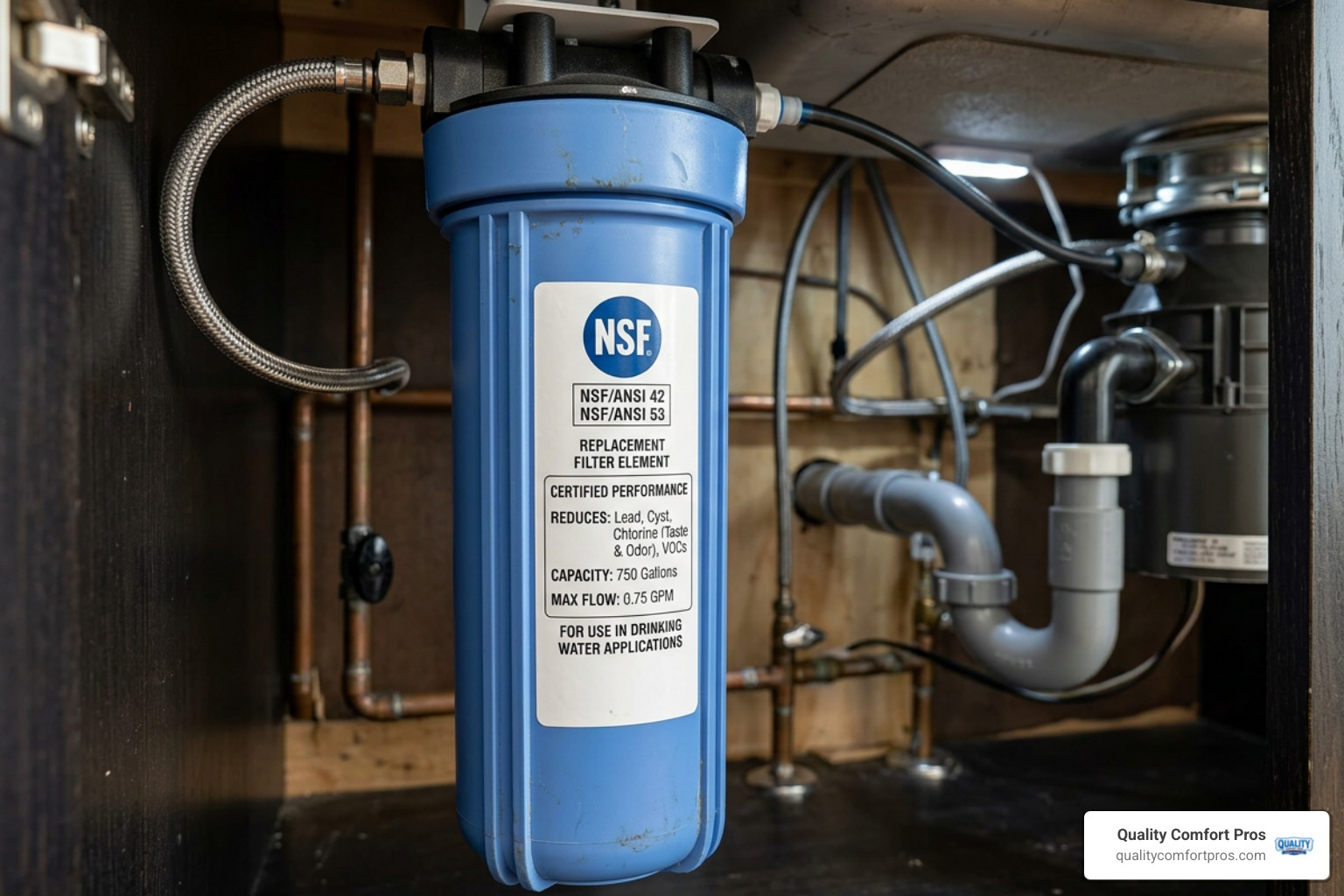
Never take a manufacturer’s word at face value. Look for systems that are independently tested and certified by organizations like NSF, WQA, or IAPMO. Key certifications include NSF 42 (chlorine, taste, and odor), NSF 53 (lead, VOCs, and heavy metals), and NSF 58 (reverse osmosis performance). These certifications provide peace of mind that the system will perform exactly as advertised.
If you are ready to explore your options, you can explore comprehensive water filtration solutions designed to meet these rigorous standards.
Key Technologies: Reverse Osmosis vs. Carbon Filtration
The two most common and effective technologies used in modern home water filtration are reverse osmosis (RO) and carbon filtration.
The Power of Reverse Osmosis
Reverse osmosis is the gold standard for pure drinking water. An RO system works by forcing water through an extremely fine semi-permeable membrane with pores as small as 0.0001 microns. This process strips away virtually all dissolved solids, including difficult-to-remove contaminants like fluoride, arsenic, nitrates, lead, and PFAS compounds. In fact, independent testing shows that high-quality RO systems can reduce these contaminants to non-detectable levels. Because RO water is so pure, many premium systems now include an alkaline remineralization stage to reintroduce healthy minerals like calcium and magnesium, which improves the water’s taste and balances its pH.
The Efficiency of Carbon Filtration
Carbon filtration, which includes granular activated carbon (GAC) and solid carbon blocks, relies on adsorption to trap contaminants. Carbon is incredibly effective at removing chlorine, chloramines, volatile organic compounds (VOCs), and agricultural chemicals. Solid carbon blocks are generally superior to GAC because their dense structure forces water to spend more time in contact with the carbon, trapping smaller particulates.
To learn more about how carbon works, you can read our carbon water filtration system 101 guide. If you decide that maximum purity is your goal, you can also get expert RO water filter installation services to ensure your system is set up for peak efficiency. For a detailed breakdown of how different brands performed in real-world environments, you can review the best water filters of 2026 lab results to see the latest testing data.
Installation, Maintenance, and Long-Term Operating Costs
Owning a water filtration system is not a set-it-and-forget-it endeavor. Every system requires ongoing care to remain safe and effective.
Professional Installation vs. DIY
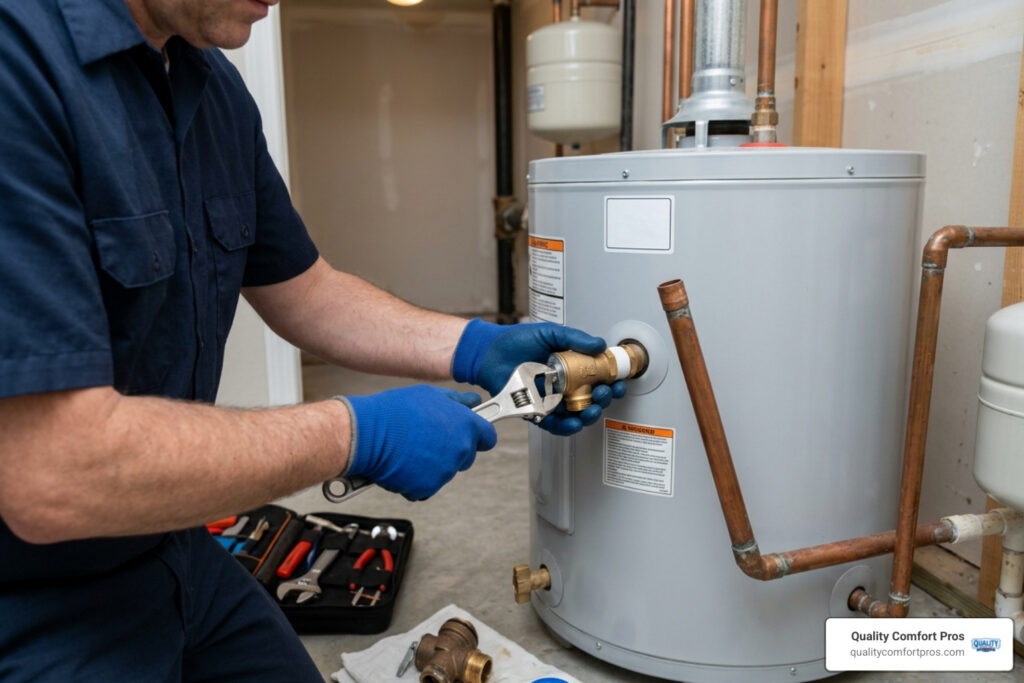
While some countertop and under-sink systems are marketed as DIY-friendly, whole-house systems and complex multi-stage RO units usually require professional plumbing. Improperly installing a main-line water filter can lead to catastrophic leaks, water pressure issues, or even void your homeowner’s insurance policy if water damage occurs. Working with a licensed professional ensures that your system is installed safely and complies with all local plumbing codes.
Essential Maintenance Schedules
Maintenance schedules and operating costs can vary depending on several factors, including your local water quality and daily usage. A typical maintenance schedule includes:
- Sediment Pre-Filters: Must be replaced every 3 to 6 months to prevent dirt and rust from clogging your main filtration media.
- Carbon Block Filters: Typically require replacement every 6 to 12 months.
- RO Membranes: Usually last between 24 and 36 months before they need to be swapped out.
- UV Sterilizers: The ultraviolet lamp must be replaced every 12 months (approximately 9,000 hours of use) because the bulb loses its pathogen-killing intensity over time, even if it still appears to be lit.
Neglecting these schedules can lead to bacteria growth inside your filter housings, severe drops in home water pressure, and a complete loss of filtration effectiveness. To keep your system running smoothly, you should schedule routine RO water filter maintenance with a certified technician.
Frequently Asked Questions About Home Water Filtration
What is the Best Drinking Water Filtration System for Home?
The best system depends entirely on your water source and household needs. For municipal water with high chlorine, a whole-house carbon filter paired with an under-sink reverse osmosis system for drinking water is highly recommended. For private well water, a system utilizing sediment pre-filters, iron/manganese removal, and a UV sterilizer is often the safest configuration.
How Do You Install the Best Drinking Water Filtration System for Home?
Point-of-use systems can often be installed under the sink by connecting the system feed valve to your cold water line and mounting a dedicated faucet. Whole-house systems require cutting into your home’s main water line, installing a bypass loop, and securing airtight plumbed connections, which is a task best left to licensed professionals.
How often do home water filters need to be replaced?
Pre-filters and carbon cartridges generally need to be replaced every 6 to 12 months. Large whole-house media tanks can last anywhere from 5 to 10 years, while reverse osmosis membranes typically require replacement every 2 to 3 years.
Does reverse osmosis remove beneficial minerals from drinking water?
Yes, the ultra-fine membrane of a reverse osmosis system removes almost all minerals, including calcium and magnesium. To prevent flat-tasting or slightly acidic water, look for an RO system that includes a post-filtration remineralization cartridge to add these healthy minerals back into your glass.
What is the difference between a water filter and a water softener?
A water filter is designed to remove chemical contaminants, heavy metals, sediment, and pathogens to make water safe and clean. A water softener specifically targets hard water minerals (calcium and magnesium) using ion exchange to prevent scale buildup in pipes and appliances.
Can a whole-house water filter remove lead and PFAS?
Yes, but only if the system is specifically certified for sub-micron filtration, such as systems utilizing dense carbon blocks. Standard sediment or granular carbon whole-house systems are not designed to remove heavy metals or microscopic chemical compounds like PFAS.
Do countertop water filters remove bacteria and viruses?
Most standard gravity and carbon countertop filters do not remove microscopic biological pathogens like bacteria and viruses. If you need microbiological protection, you must use a system equipped with a specialized sub-micron membrane or an integrated UV purification stage.
Is professional installation required for under-sink reverse osmosis systems?
While some homeowners with basic plumbing skills can manage the installation, professional setup is highly recommended. RO systems require tapping into your cold water line and installing a wastewater drain connection, meaning a professional ensures a leak-free setup.
How does water filtration affect home water pressure?
All water filters create a minor restriction in water flow. If a system is correctly sized for your home, you will not notice a pressure drop. However, if filters are left unchanged and become clogged with sediment, your home’s water pressure will drop significantly.
What do NSF/ANSI certifications mean for water filters?
These certifications prove that a system has been independently tested and verified to perform as claimed. NSF 42 covers aesthetic effects like chlorine and taste, NSF 53 certifies the reduction of health-related contaminants like lead and VOCs, and NSF 58 verifies reverse osmosis performance.
What’s the most effective home water filtration system for drinking water?
Reverse osmosis (RO) systems consistently top the list for drinking water purity. They filter water through a semi-permeable membrane that removes lead, PFAS, nitrates, chlorine, dissolved solids, and most other contaminants – often 95–99% of what’s in your tap water. If you want the cleanest possible drinking water at home, RO is the benchmark everything else is measured against.
Is a whole-house filter the same as a drinking water filter?
Not quite. A whole-house filter (point-of-entry) treats all the water coming into your home – great for reducing sediment, chlorine, and hardness before it reaches your pipes and appliances. A drinking water filter (point-of-use) like an RO or under-sink system goes further, providing a higher level of purification specifically at the tap. Many homeowners use both for full coverage.
How do I know which filter type is right for my home?
Start with a water quality test. The right system depends entirely on what’s actually in your water. Well water and municipal water have very different contaminant profiles, and what works for one home won’t necessarily be the best fit for another. Once you know what you’re dealing with, matching it to the right filter type becomes much simpler.
How often do water filters need to be changed?
It depends on the system. Under-sink carbon filters typically need replacing every 6–12 months. RO membrane filters last longer – usually 2–3 years – but the pre- and post-filters around them need changing every 6–12 months too. Whole-house filters vary widely based on water usage and quality. Most systems have indicator lights or a filter-life gauge to take the guesswork out of it.
Can a water filtration system remove everything from tap water?
No filter removes 100% of every contaminant – and most don’t need to. The goal is to bring contaminant levels below safe thresholds and improve taste and odor. RO systems come closest to comprehensive filtration, but even they don’t catch everything (some gases, for example). That’s why testing your water first matters – you can pick a system targeted at what’s actually present rather than guessing.
Is it worth getting a professional to install a water filtration system?
For under-sink and RO systems, a confident DIYer can often handle it. But improper connections cause leaks, and some manufacturer warranties require professional installation to stay valid. For whole-house systems, professional installation is strongly recommended – they involve cutting into main supply lines and need to be properly sized to avoid pressure drops throughout the home.
Conclusion
Investing in the best drinking water filtration system for home use is a vital step toward protecting your family’s health and preserving your plumbing. From Gaylord, MI, to Petoskey, MI, and everywhere in between across Northern Michigan, having clean, safe, and great-tasting water at your fingertips makes a massive difference in your daily quality of life.
Whether you need a comprehensive water quality analysis, a brand-new reverse osmosis system, or routine maintenance on your existing setup, our family-owned team is here to help. With 28 years of reliable, expert service, we provide custom solutions tailored to your home’s unique water needs. Please contact us for professional water filtration services at Quality Comfort Pros today to schedule your consultation.