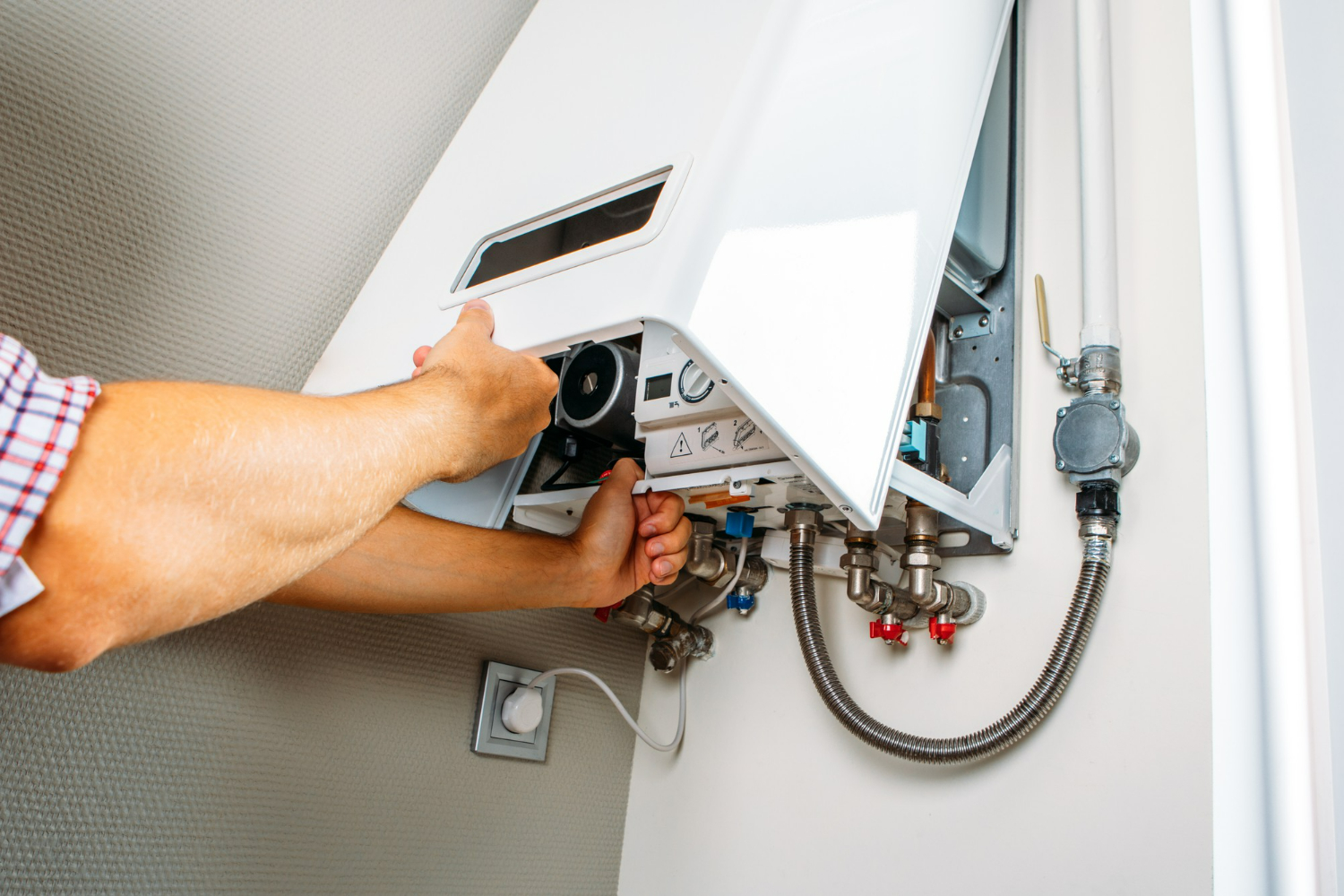
When temperatures drop across Northern Michigan, the chill seeps into more than just the air outside. Our homes feel it too, especially the plumbing systems hiding behind the walls and under the floors. One issue we see more often in winter is the water heater leaking. It can start with a few drops near the base of the tank or a damp patch around the pipes, but whether it’s a slow leak or a sudden one, it usually points to a deeper problem.
Winter weather puts stress on equipment that might otherwise run quietly in the background. That stress shows up in different ways, and spotting the cause early can help prevent more serious damage. Based in Gaylord, Michigan, we have been serving Northern Michigan homes since 1997, and we have seen that stress creates many issues with local plumbing and heating equipment. Here are the main reasons your water heater might be leaking when the cold takes hold.
Temperature Fluctuations and Frozen Pipes
As temperatures outside swing between freezing and slightly warmer, our plumbing goes through repeated changes. Water inside the system can freeze overnight and thaw the next day. This constant pressure change affects both the pipes connected to the heater and the heater itself.
When water freezes, it expands. That expansion can crack an inlet or outlet pipe or put enough pressure on the connections that they start to loosen. Once the ice thaws, that pressure releases, often leaving behind a pipe that no longer seals as tightly as it should. What looks like a water heater leak might actually be moisture traveling from a nearby frozen joint, a reminder that the whole system works together, and one weak link can cause trouble.
Expansion and Contraction of Water Heater Parts
The tank and internal components of a water heater are mostly metal, and like any metal part, they expand and contract with temperature changes. In winter, the tank heats up more often and cools down between cycles, mainly if it’s located in an uninsulated area like a garage or basement in Northern Michigan.
Over time, this movement can cause parts to wear down. Gaskets dry out, fittings loosen, and seams that are held tight during milder months may start to seep. It doesn’t have to be a significant leak. In fact, most of the time it begins with a few drops under the unit, which slowly appear after each heating cycle. The tricky part is that these leaks often start so quietly that they go unnoticed until water damage sets in.
Overworked Heating Elements in Cold Weather
When the incoming water is near freezing, the water heater has to work harder to bring it up to temperature. It runs more often, heats more water, and stays hot for longer. All of this puts strain on the heating elements, especially in electric units.
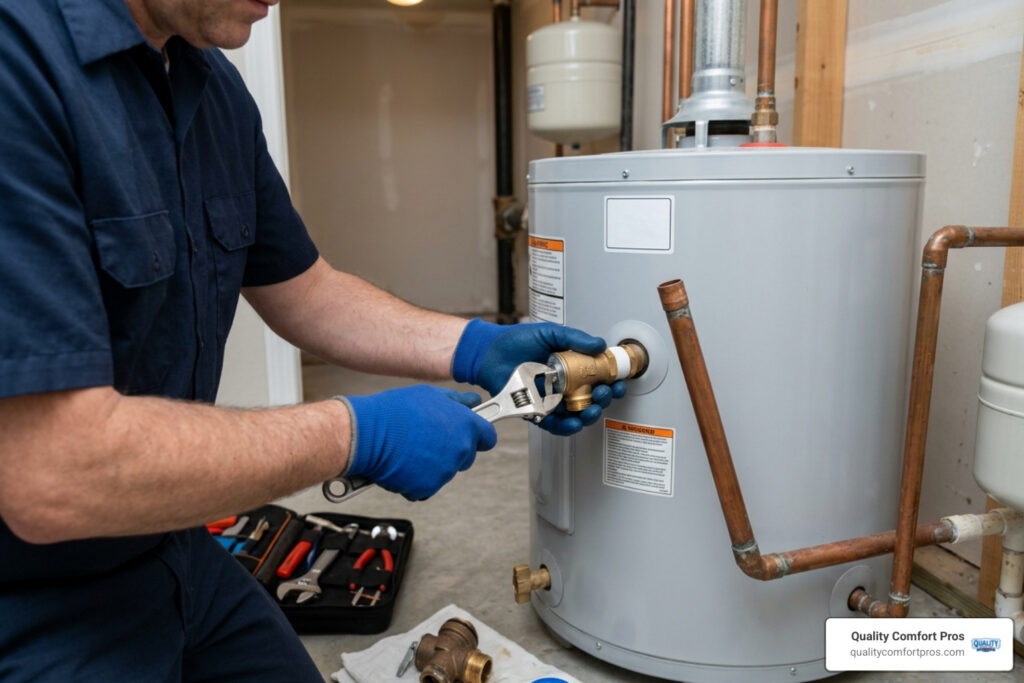
This extra strain can lead to leaks in a few places. The gaskets around the heating elements may fail or start leaking due to the added demand. The temperature and pressure relief valve might activate more often, releasing water to prevent the tank from building too much pressure. If you notice dripping from the valve or see pooling water nearby, it’s likely your system is working harder than it should.
Here are a few signs that overwork may be behind your water heater leaking:
- A heating element that stays hot too long or cycles constantly
- Water on the floor near the base or valve, showing up after more extended usage periods
- A noticeable drop in heating performance, with lukewarm water during heavy use
As a plumbing provider, we offer water heater repair and installation for both new and existing homes, along with leaky pipe repair and replacement when winter use strains your system.
Aging Units and Lack of Maintenance
Older water heaters are more prone to problems, and cold weather has a way of bringing those issues to light. Years of sediment buildup in the tank can lead to rust, which weakens the metal and causes small cracks that grow over time. Seals and valves wear out, especially when they haven’t been checked in a while.
Winter makes everything work harder, and for a water heater that’s past its prime, that push can be too much. A small leak that was harmless in the fall can quickly turn serious when the heat kicks on more frequently to combat cold water.
We often find that winter leaks in aging units come from one of these:
- Rust spots or corrosion near the bottom of the tank
- Old or brittle rubber gaskets around valves or pipe connections
- Signs of drip trails along the sides of the tank from higher up
Winter Storm Impact and Home Shifting
The colder it gets, the more the entire structure of a home can shift. Snow buildup, deep frost, and changing soil levels can all contribute. It might not be enough to crack concrete or bend beams, but more minor shifts can press against the pipes, tighten or loosen joints, and put unexpected tension on the water heater.
If the unit is tucked away in a corner or along an outer wall, it’s more likely to feel these stress points. That tension can open cracks near the intake or output lines, loosen brackets that once held pipes steady, and move parts ever so slightly out of place. In some cases, simply catching the leak means recognizing that the source is not internal, but structural.
Keep Winter Water Worries Under Control
Cold weather affects more than just our comfort; it pushes the systems in our homes to respond quickly and work harder than they do in any other season. Water heater leaks often occur in winter for a reason. Whether it’s pressure from freezing pipes, age catching up to tired parts, or heating systems working overtime, the signs matter. Our technicians support heating, cooling, plumbing, and water quality equipment for Northern Michigan homes, so we evaluate a leak by assessing how the entire comfort system is handling the colder weather.
A small puddle or drip now could lead to high repair costs or water damage if left unchecked. Paying attention to when and where these leaks start, especially during colder months, helps keep things running smoothly. Winter can be unpredictable in Michigan, but with the proper awareness, your home doesn’t have to follow suit.
Noticing signs of your water heater leaking this winter is a clear reminder to address potential issues before minor concerns turn into major headaches. Cold weather in Northern Michigan puts added stress on your plumbing, and unseen damage or worn components can cause unexpected problems. We specialize in helping you maintain and repair these systems, from frozen pipes to older equipment. Explore our water heater leak solutions to see how Quality Comfort Pros can keep your home comfortable and protected all season long. Call us today, and let’s get ahead of any issues before the temperatures drop further.