Does your home have leaky pipes? You might have undetected leaks in hidden areas. These are the most dangerous places to have plumbing issues since moisture in these areas will damage your home’s structure. This guide will help you prevent and repair leaks before your home suffers damage.
Locate Leaky Pipes in Your Home
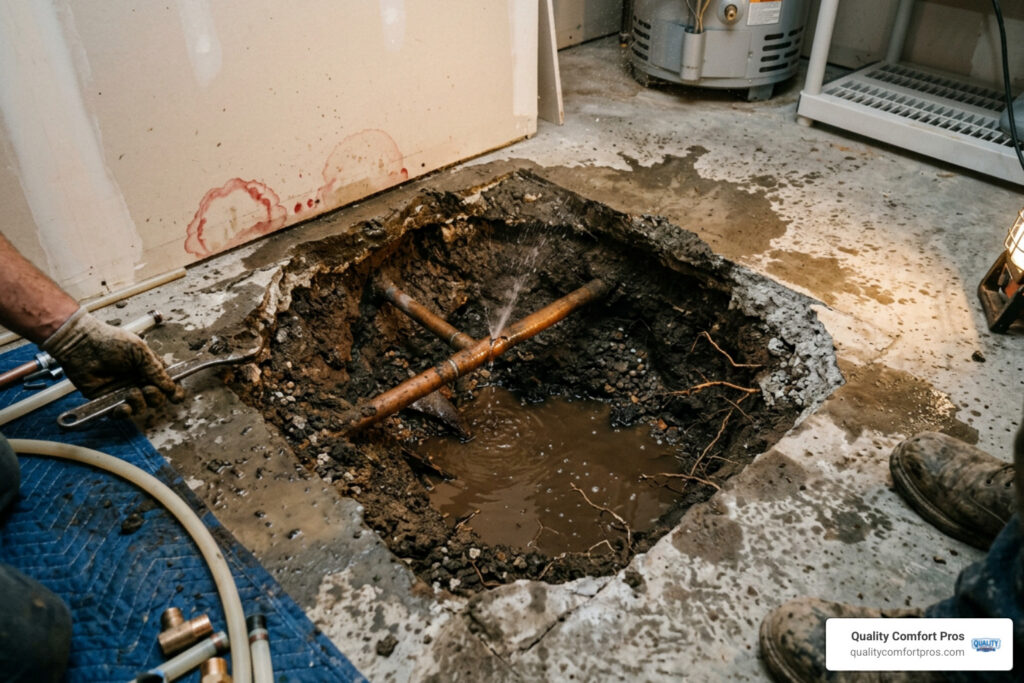
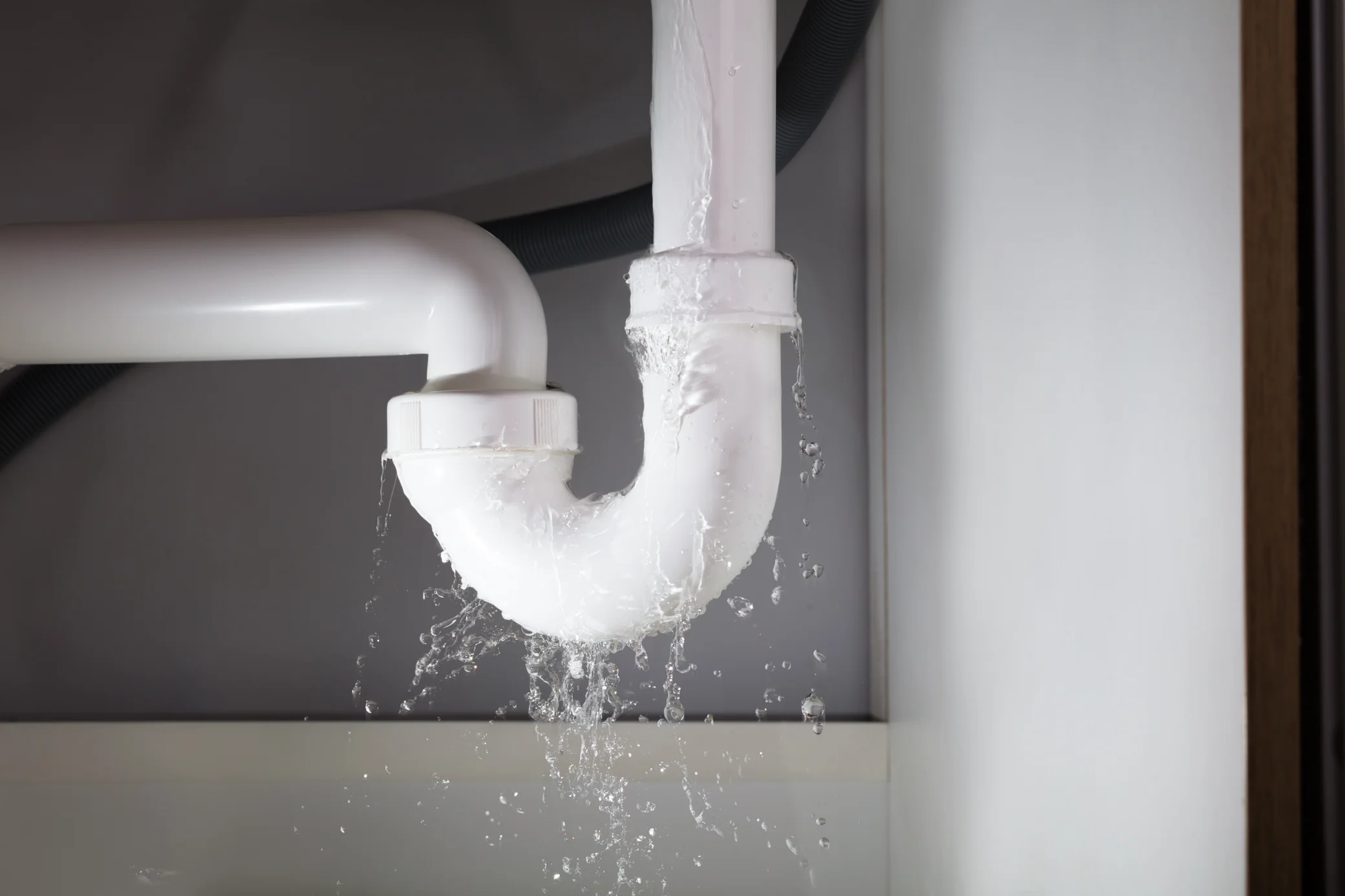
It’s easy to spot a faucet leak in your sinks or in a showerhead. However, leaky and frozen pipes can affect your plumbing at any point in the system. You might have problems with the pipes beneath your flooring or behind your interior walls. These leaks can persist for longer and damage your home before you see the obvious signs of a problem.
Professional plumbing services include leak detection. Your plumber will use a variety of tools to find the exact location of a leak. Newer homes might only need leak detection services once per year. As your home gets older, you might want to schedule semi-annual leak detection.
How Could a Plumbing Leak Damage My Home?
While leaky pipes waste water and drive up your utility costs, they can also drain your budget by causing property damage. Wood, drywall, and other organic materials will soften and rot as they absorb moisture. Without prompt plumbing services, this damage ultimately leads to mold growth. In that case, you might need extensive mold remediation to restore your home’s structure and surface materials.
Schedule Professional Repairs for Your Plumbing Leaks
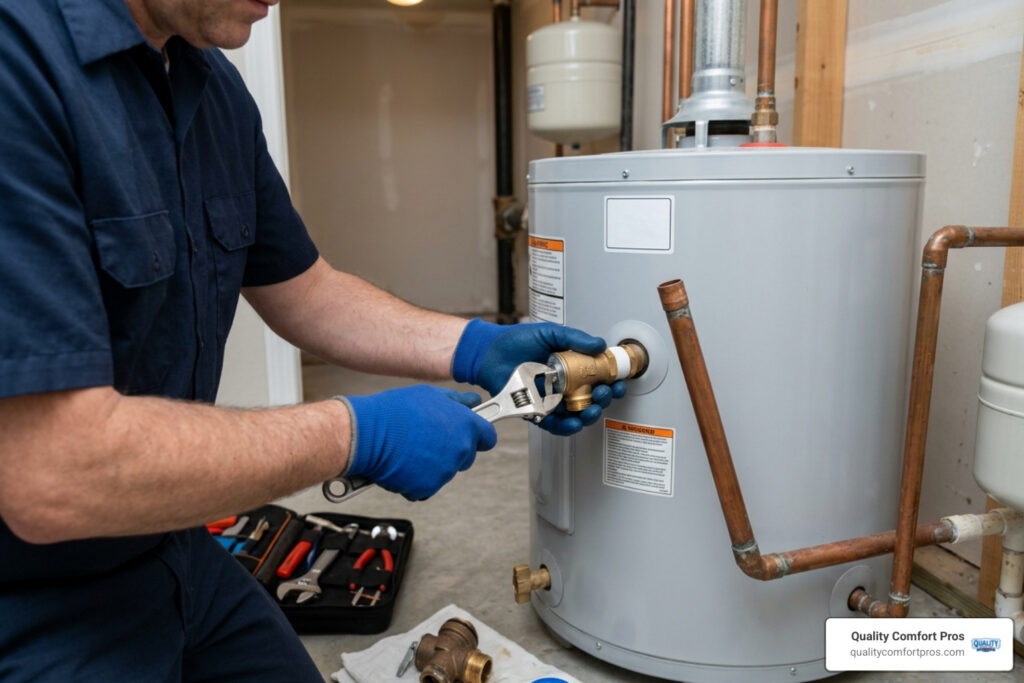
Whether you identify leaky pipes through a visual inspection or through leak detection services, it’s important to act quickly. Let your professional plumbers know that you need repairs. Most companies will provide a speedy response to help you solve this problem before it worsens.
While waiting for your plumber, take steps to minimize the damage. If possible, place a bucket beneath the leak to catch the water. Turn the water valve to discontinue service to the affected pipes.
Take Steps to Prevent Future Leaks
You can minimize your risks for leaks, frozen pipes, or a burst pipe by keeping up with maintenance. Annual drain cleaning will remove the debris and gunk that contribute to clogs and pipe damage. Ask your plumber for an annual plumbing inspection as well. They can assess the quality of your system and recommend ways to address plumbing problems.
You can also protect your pipes by limiting the debris that gets flushed through the system. Human waste and bathroom tissue are the only substances you should deposit in a toilet. If you have a garbage disposal, use it to dispose of soft foods, fruit rinds, ice, eggshells, and cooked meats.
What’s the Best Type of Plumbing Pipe Material?
The best materials will depend on the plumbing pipes you’re replacing. PVC pipes are ideal for drain and waste lines. PEX (cross-linked polyethylene) and copper are usually the preferred choices when installing water supply lines. Replacing corroded pipes and following basic water conservation tips will help you maintain your plumbing system’s integrity for longer.
Start With Leak Detection from the Pros
When you partner with Quality Comfort Pros, we’ll provide superior plumbing maintenance services. From leak detection to plumbing repairs, our experienced plumbers will help you protect your home’s entire plumbing system. Schedule your plumbing service today!