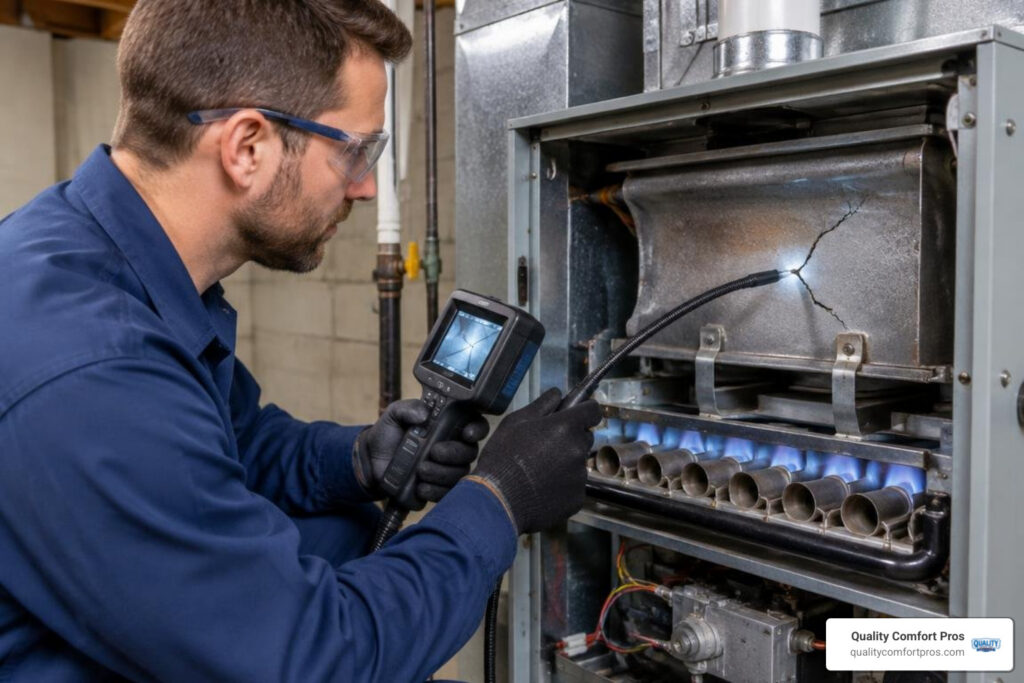
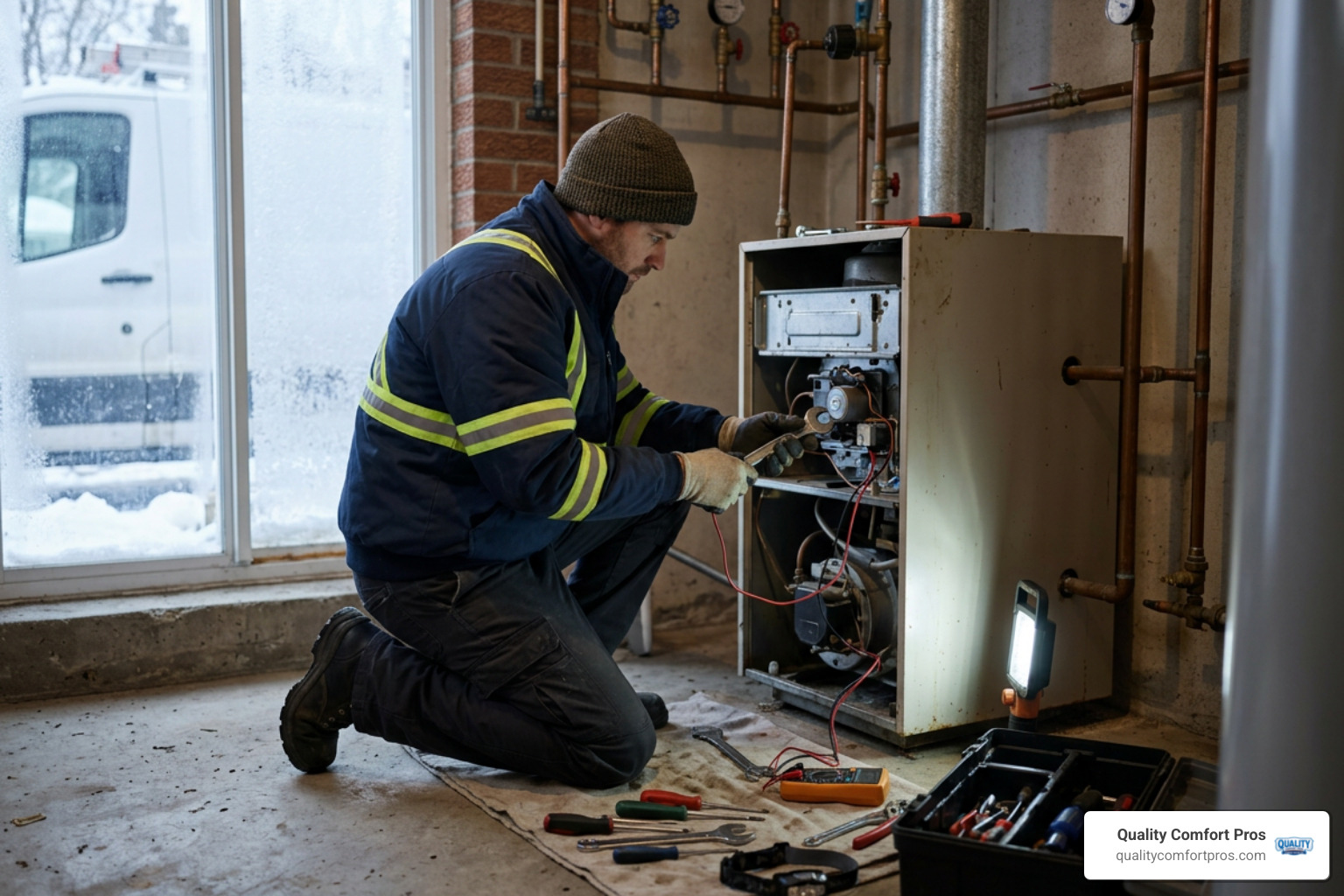
Boiler Repair 24/7: What to Do When Your Heat Fails
If boiler repair 24/7 is needed because your home has no heat or hot water, start with safety. Leave the home and call 911 or your gas utility from outside if you smell gas or a carbon monoxide alarm sounds. Otherwise, homeowners can safely check the thermostat, breaker, emergency switch, fuel gauge, and exterior vents. Our technician handles gas, electrical, pressurized, and sealed boiler components.
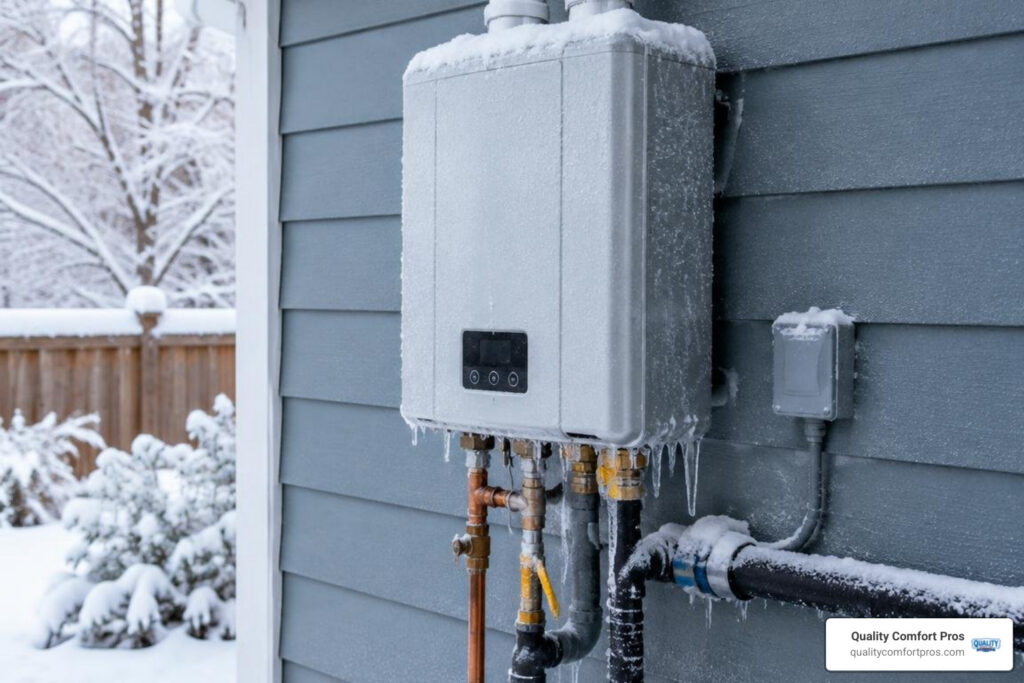
A cold home can lead to frozen pipes, water damage, and a more disruptive repair. In freezing weather, take note of visible leaks, unusual noises, error codes, and changing room temperatures. Clear snow away from exterior vents without touching equipment connections or internal panels. Learn how winter plumbing damage develops when reading about frozen or leaky pipes.
I’m JD Osman, owner of Quality Comfort Pros, with more than 20 years of experience in home services across Northern Michigan. This guide to boiler repair 24/7 explains what homeowners can check safely before calling. It also covers what to tell the dispatcher and when the boiler needs a technician.
When an Emergency Boiler Problem Needs Immediate Help
A boiler failure can create safety concerns, water damage, and dangerous cold inside a Northern Michigan home. Homeowners should act promptly when heat stops during freezing weather, water is pooling, or unusual odors appear. A gas smell or carbon monoxide alarm requires leaving immediately and calling 911 or the gas utility from outside. Other problems still deserve a timely call when safe checks do not restore heat.
According to the CDC, gas- and oil-burning furnaces and other household appliances produce carbon monoxide, and the CDC recommends battery-operated or battery back-up CO detectors near every sleeping area and having the heating system serviced every year. Review the CDC carbon monoxide guidance before heating season and whenever a household safety concern arises. Do not return indoors until emergency responders or the gas utility say it is safe. Our technician checks combustion, venting, and related safety controls.
Recognizing Critical Warning Signs and Hazards
Call for help when the boiler will not start, loses pressure repeatedly, leaks water, or makes persistent banging sounds. Yellow burner flames, burning odors, and repeated shutdowns can also point to conditions requiring professional diagnosis. Homeowners should document the symptoms, then avoid opening panels or adjusting internal parts. Clear details help the dispatcher send the appropriate response.
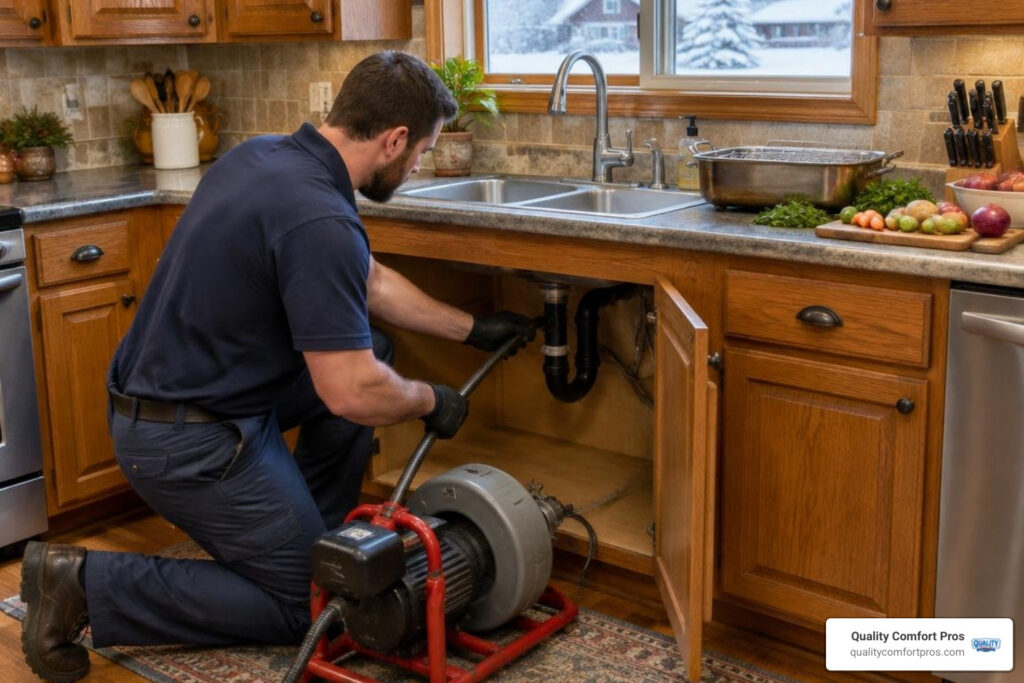
If a boiler problem occurs with a burst pipe or serious plumbing leak, separate heating and plumbing support may be necessary. Visible water should be contained with towels or a bucket when doing so is safe. Closing the water supply valve is an appropriate homeowner step when water is actively feeding the leak. For related water concerns, emergency plumbing help explains when fast action can limit damage.
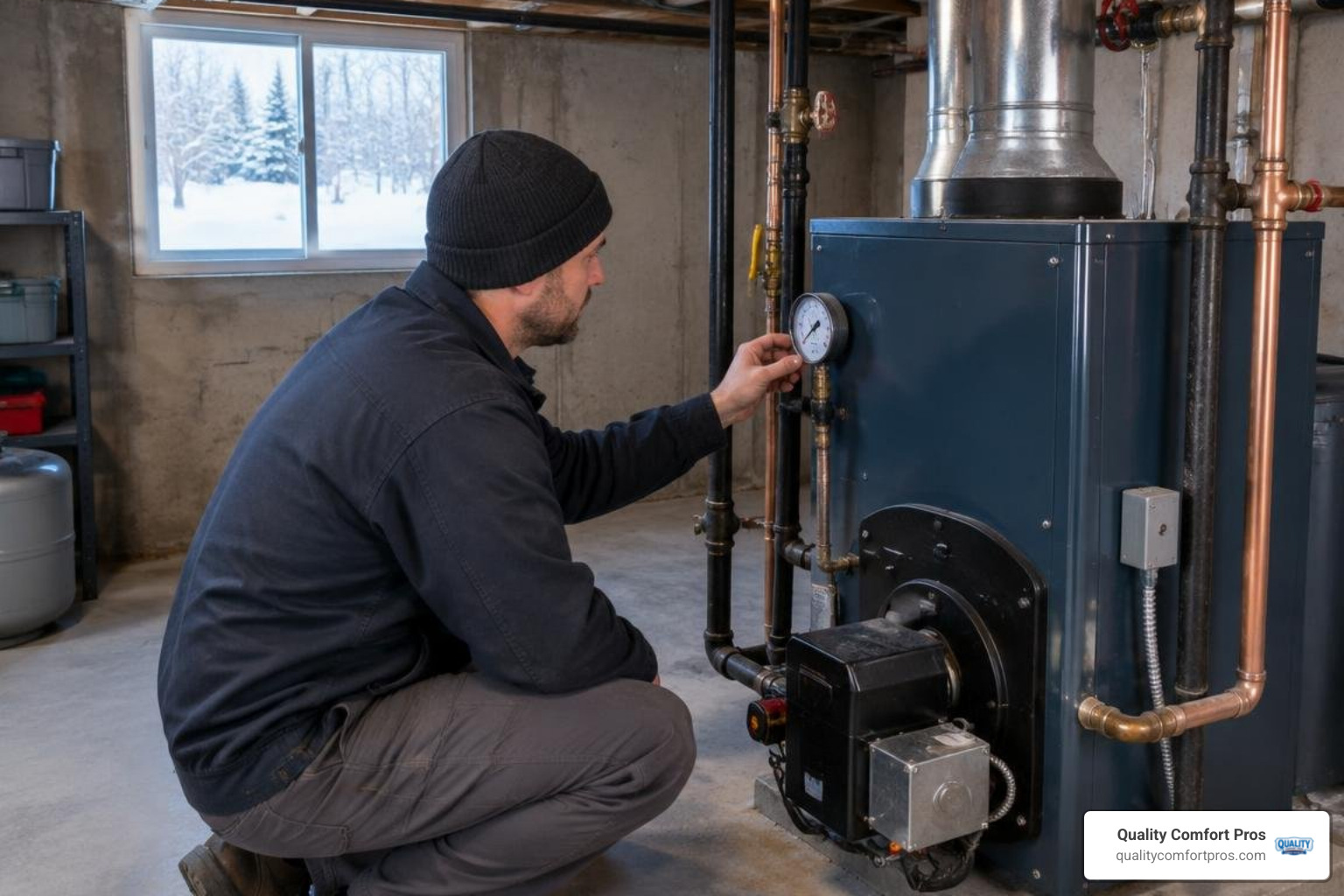
Why Fast Response Matters in Freezing Weather
Indoor temperatures can drop quickly during a severe Northern Michigan cold snap. Pipes near exterior walls can freeze and rupture before homeowners notice the full extent of the problem. Prompt professional help protects the boiler while reducing the chance of extensive water damage. Keep interior doors open where practical and protect vulnerable plumbing until help arrives.
Safe Steps Before a Boiler Technician Arrives
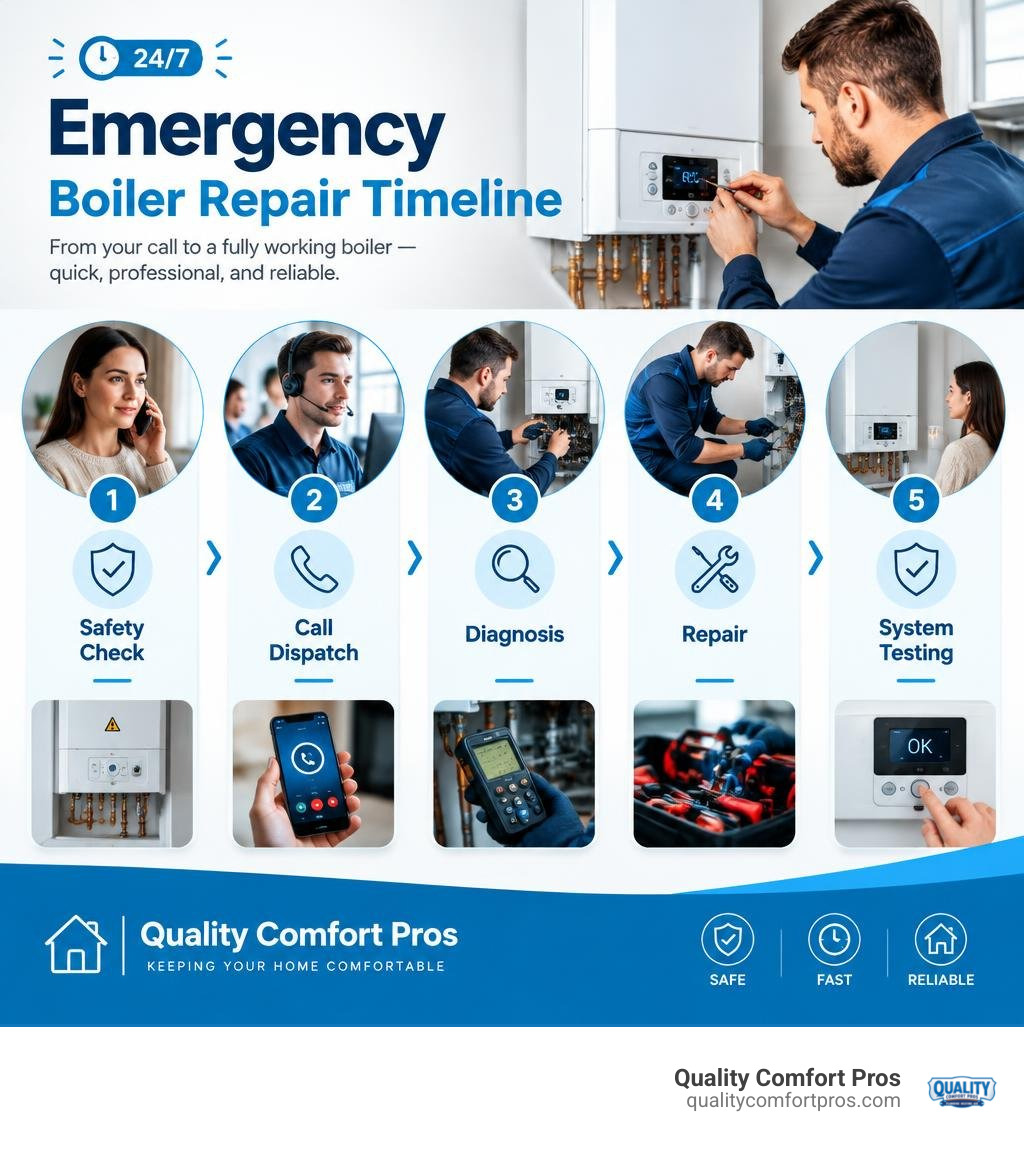
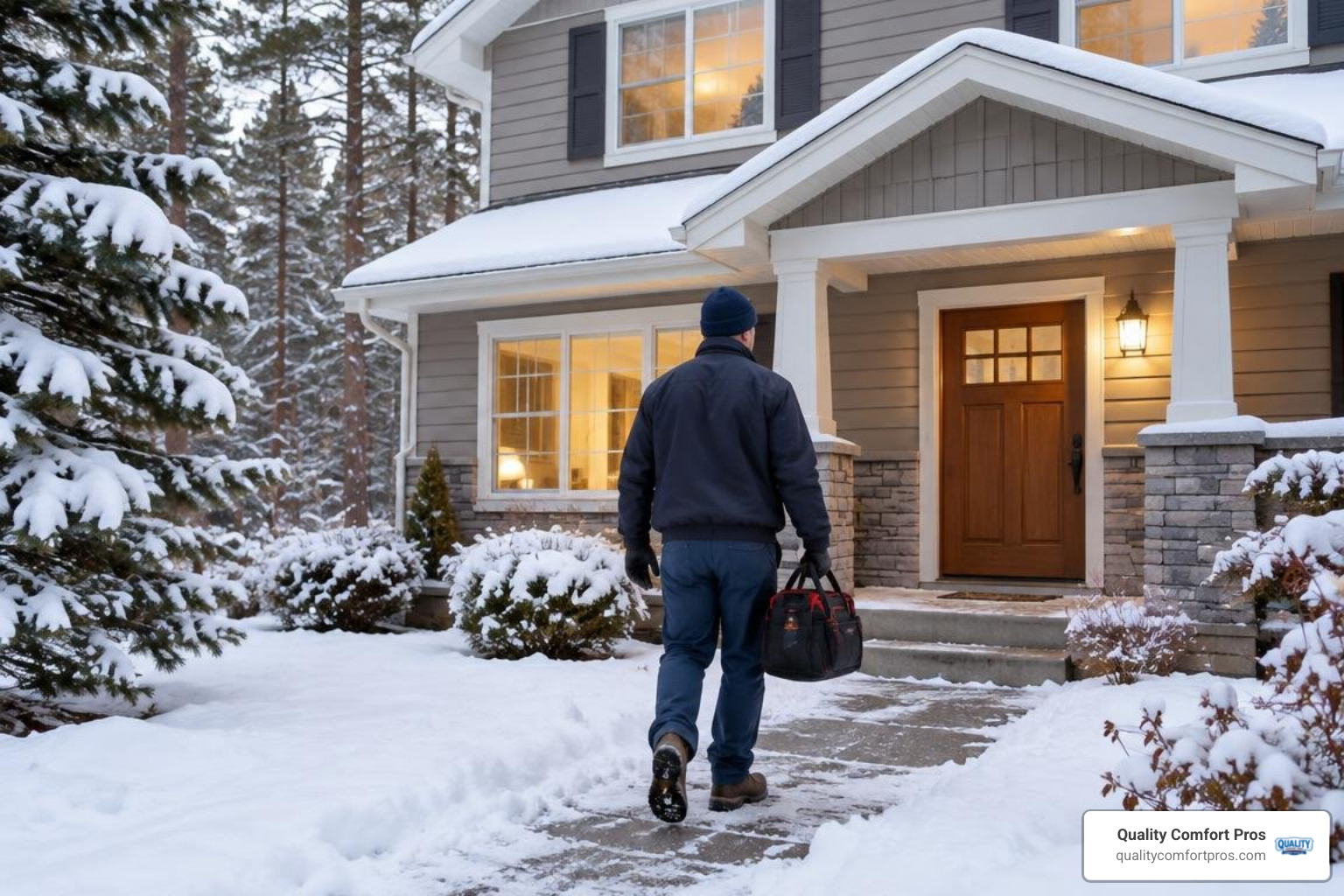
When heat stops unexpectedly, a calm response helps protect the household and gives the technician better information. Homeowners should complete only simple external checks and avoid opening equipment panels. If gas odor or a carbon monoxide alarm is involved, leave first and call from outside. For every other situation, record symptoms before requesting service.
Step 1: Check Safe External Controls
Confirm that the thermostat is set to heat and the target temperature is above the room temperature. Check the heating breaker once, but leave it off if it trips again. Verify the emergency switch is on and review the fuel gauge if the home uses propane or oil. Clear snow from exterior vents without moving vent pipes or removing covers.
Step 2: Limit Water Damage Safely
Water near a boiler can damage floors, walls, and nearby electrical equipment. Place a bucket beneath a slow drip when it is safe to do so. If the water supply is actively feeding the leak, close the accessible water supply valve. Our technician determines whether the pressure relief valve, piping, or internal boiler parts need repair.
Step 3: Call for Professional Boiler Service
After safe checks, call a qualified local provider if heat does not return or symptoms continue. Share the fuel type, boiler age, error codes, visible water, and any changes in sound or performance. Those details help the dispatcher understand the urgency and prepare the response. For prompt local assistance, boiler repair services connect homeowners with our team.
Step 4: What Our Technician Evaluates
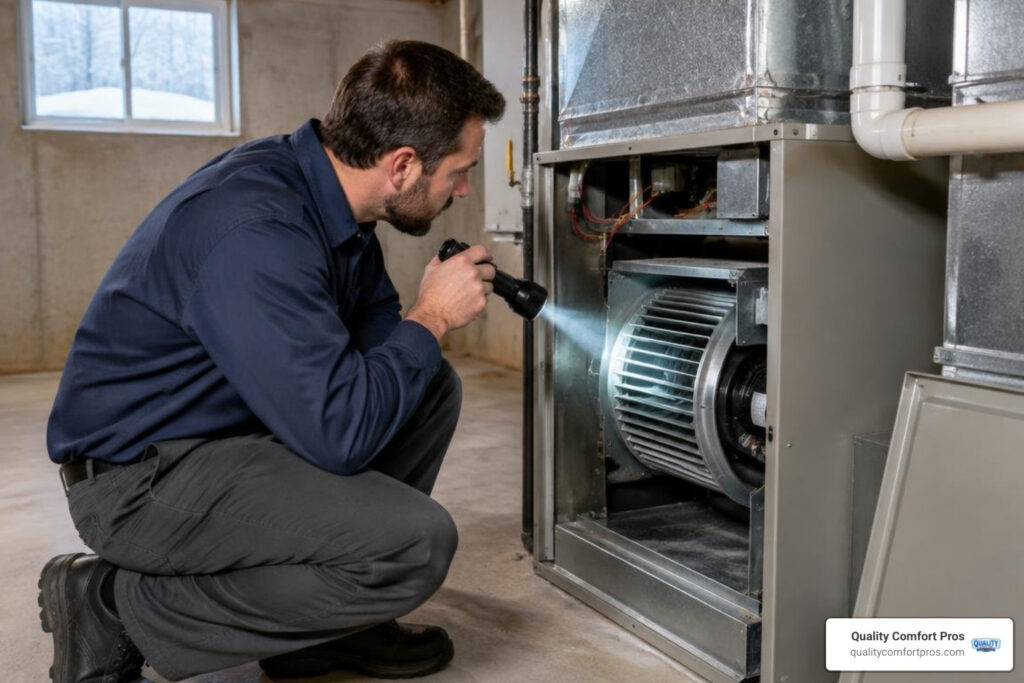
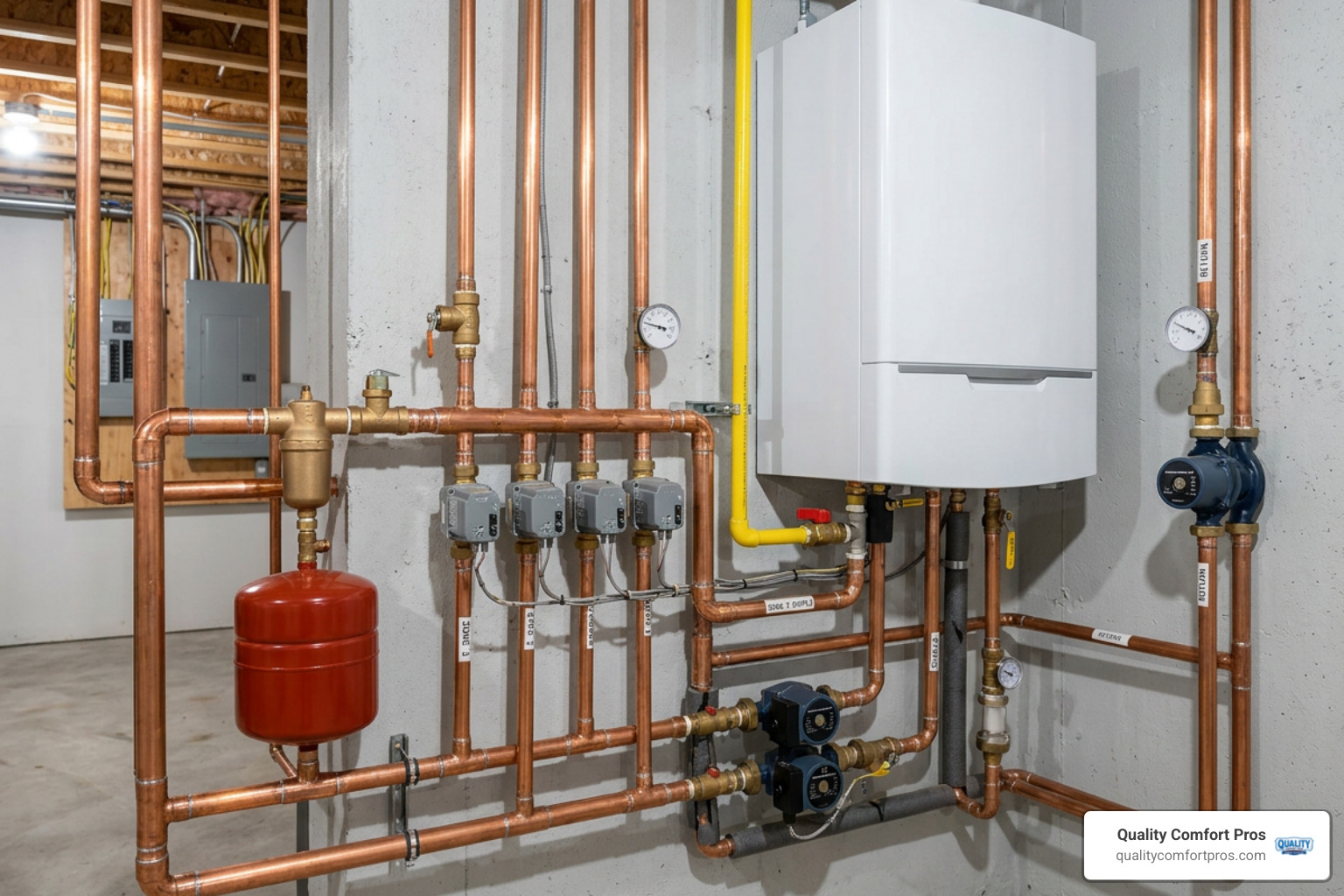
Our technician begins with a structured diagnostic process designed around the reported symptoms. They inspect controls, water levels, venting, combustion performance, pumps, and expansion components as appropriate. Gas, electrical, pressurized, and sealed parts are handled only after the system is assessed for safety. The findings determine whether a focused repair can restore reliable heat.
Step 5: Review the Repair Recommendation
Once the cause is identified, our technician explains the needed work in clear terms. Common repairs can involve circulator pumps, ignition components, zone valves, controls, or condensate drains. Homeowners can ask how the repair addresses the specific symptom and what testing follows. A clear explanation supports an informed decision without attempting risky work independently.
Step 6: Decide Between Repair and Replacement
Replacement may be worth considering when failures are recurring, major components are damaged, or parts are difficult to obtain. A repair can make sense when the system has a contained fault and remains structurally sound. ENERGY STAR boiler ratings note that ENERGY STAR certified gas boilers have AFUE ratings of 90% or greater, and certified oil boilers 87% or greater. When replacement is the better path, new boiler installation can be planned around your home’s heating needs.
| Decision Factor | Favor Repair | Favor Replacement |
|---|---|---|
| System condition | The core boiler remains sound | The heat exchanger or major structure is compromised |
| Repair history | This is an isolated problem | Breakdowns continue despite previous repairs |
| Part availability | Needed parts are readily available | Important parts are obsolete or delayed |
| Heating performance | The system heats reliably after repair | Efficiency or comfort problems persist |
Step 7: Confirm Safe Operation
After repairs, our technician tests the boiler through a complete operating cycle. They verify heat delivery, water circulation, safety controls, and stable operation before closing the visit. Homeowners should ask what was repaired and which maintenance steps can prevent a similar issue. A documented result makes future service easier if another concern develops.
Keeping a Cold House Safe While You Wait for Service
When a boiler is down, focus on holding onto remaining warmth and protecting vulnerable plumbing. Keep interior doors open so warmer air can move between rooms, especially near areas with exterior walls. Close curtains after daylight fades and keep exterior doors shut to reduce drafts. Avoid repeatedly opening doors while waiting for service, since cold air can quickly lower indoor temperatures.
Open sink cabinet doors along exterior walls so room air can circulate around nearby water lines. Let a faucet on an exterior wall drip slowly when freezing conditions could affect the plumbing. Check the area beneath sinks for moisture, but do not attempt repairs on frozen or damaged pipes. These simple steps can reduce the risk of a pipe freezing while the home is without reliable heat.
Do not use an oven, grill, or portable generator indoors to warm the home. These devices can create fire risks, dangerous fumes, or carbon monoxide hazards in enclosed spaces. Use only an electric space heater with an automatic shutoff feature when supplemental heat is necessary. Plug it directly into a wall outlet, keep it clear of fabrics, and never leave it unattended.
Pay close attention to infants, older adults, and pets, since they can become cold sooner than healthy adults. Move everyone into the warmest safe room and add dry layers or blankets as needed. Check in regularly for shivering, unusual tiredness, confusion, or other signs that the cold is becoming unsafe. If conditions worsen or a safety concern develops, leave the home and seek a warmer location until help arrives.
Boiler Types and Fuel-Specific Emergency Considerations
Different boiler systems need different diagnostic steps during an emergency visit. The fuel source, control layout, venting arrangement, and water distribution system guide the technician’s evaluation. Homeowners should share the fuel type and any display message with the dispatcher. That information helps our team arrive ready to assess the problem safely.
- Natural gas and propane boilers: These systems rely on stable fuel delivery, clean burners, working controls, and proper venting. Our technician checks the gas-related components after confirming the area is safe.
- Fuel oil boilers: These systems depend on clean filters, reliable ignition, properly operating pumps, and protected fuel lines. Our technician determines whether fuel delivery or burner performance is causing the shutdown.
Quality Comfort Pros has been serving Northern Michigan since 1997. Our local team provides practical guidance while homeowners wait safely for professional help. We focus on restoring dependable heat without asking homeowners to work on hazardous boiler parts.
Preventing Future Boiler Breakdowns With Seasonal Maintenance
Preventive service helps identify small boiler problems before winter demand exposes them. An annual visit can address wear, buildup, water pressure concerns, and safety-control performance. Homeowners can schedule annual boiler maintenance before cold weather creates an urgent no-heat situation. Consistent care also gives our technician a useful service history when repairs are needed.
During a maintenance appointment, our technician examines components that homeowners should not adjust themselves. The visit may include evaluating combustion, controls, circulation, venting, and system pressure based on the boiler type. A seasonal boiler tune-up visit explains why those inspections support reliable operation. Keep the area around the boiler clear so the technician can work safely and efficiently.
Homeowners should also watch for gradual changes between service visits. New noises, water spots, short cycling, and uneven room temperatures are worth reporting early. Addressing these signs before a severe cold spell can reduce disruption and protect nearby plumbing. Regular attention keeps emergency decisions focused and manageable.
Frequently Asked Questions About Emergency Boiler Service
What are the most common signs that a boiler needs emergency repair?
Loss of heat, water leaks, burning odors, repeated shutdowns, or loud banging can signal an urgent boiler problem. Call for help when safe external checks do not restore heat or the condition appears to worsen.
How quickly can a technician arrive for an emergency boiler call?
Arrival timing depends on weather, road conditions, call volume, and the severity of nearby emergencies. The dispatcher can provide the most realistic arrival window after learning about your symptoms and location.
What should I do if my boiler stops working in the middle of the night?
Check the thermostat, breaker, emergency switch, fuel gauge, and exterior vents if conditions are safe. If heat does not return, call for service and describe any error code, noise, leak, or odor.
Should I turn my boiler off if it is leaking?
Turn the boiler off only if the controls are accessible and doing so is safe. Avoid touching hot, pressurized, or electrical parts, then close an accessible water supply valve if needed.
Is a leaking boiler always considered an emergency?
A leak should be treated seriously because it can reduce heat, damage property, or affect boiler operation. Active pooling, rapid water loss, or water near electrical equipment requires prompt professional attention.
What does low boiler pressure mean?
Low pressure can indicate a leak, a system issue, or another condition needing professional diagnosis. Homeowners should note the gauge reading but should not adjust pressurized components or internal controls.
Can I safely troubleshoot my boiler before calling a technician?
Safe checks include reviewing thermostat settings, the breaker, emergency switch, fuel gauge, and clear exterior vents. Do not remove panels, reset recurring electrical problems, or work on fuel and pressurized components.
What should I do if my carbon monoxide alarm goes off?
Leave the home immediately and call emergency services or the gas utility from outside. Do not reenter until emergency responders or the gas utility says the home is safe.
How do I decide whether to repair or replace a failed boiler?
Our technician can explain the system condition, the failed component, repair history, and available options. Replacement may be appropriate when significant damage, repeated failures, or unavailable parts affect dependable heating.
How does seasonal maintenance prevent sudden boiler failures?
Seasonal maintenance gives our technician an opportunity to find worn components and verify safe operation. Addressing developing issues before winter can improve reliability and reduce unexpected heating interruptions.
Conclusion and Next Steps for Restoring Heat
A sudden boiler failure in Northern Michigan calls for calm, safe action. Check only accessible external controls, protect the household from immediate hazards, and document useful symptoms. Leave immediately for gas odor or a carbon monoxide alarm, then call 911 or the gas utility from outside. For other no-heat concerns, schedule boiler repair 24/7 when safe checks do not restore operation.
Quality Comfort Pros provides local heating and plumbing support for homeowners in Gaylord and Northern Michigan. Our technician can diagnose boiler concerns involving fuel, electrical, pressurized, or sealed equipment safely. Clear communication about your symptoms helps our team respond with the right next steps. Professional care can restore comfort while helping protect your home from winter damage.
If your heating system fails or shows warning signs, do not wait for conditions to worsen. Quality Comfort Pros is ready to help restore safe, dependable heat. contact us today for prompt, professional boiler service.
Quality Comfort Pros, 1641 S Otsego Ave, Gaylord, MI 49735