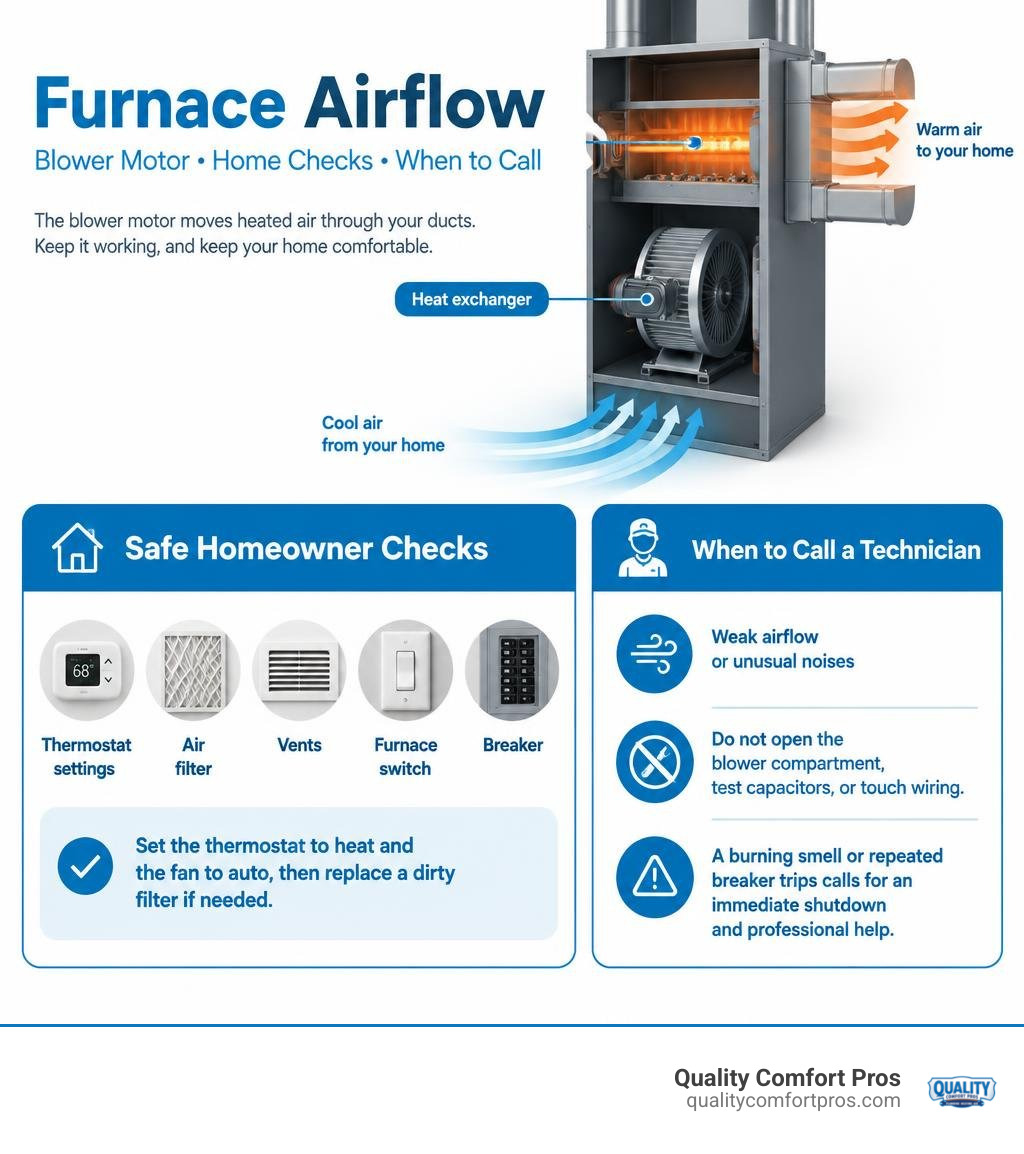
A furnace repair blower motor concern can quickly leave Northern Michigan households without dependable heat. Begin by reviewing the thermostat, filter, vents, switch, and circuit breaker outside the cabinet. Persistent airflow loss or unusual blower sounds mean the furnace should stay off until our team evaluates it.
The blower motor moves heated air through the ducts, so a failure can leave rooms cold. Do not open the blower compartment, test capacitors, or touch wiring during any homeowner check. A burning smell or a repeatedly tripped breaker requires an immediate shutdown and professional service.
I’m JD Osman, owner of Quality Comfort Pros, with more than 20 years of experience in home services across Northern Michigan. In this guide to furnace repair blower motor problems, I will walk you through the warning signs, the checks that are safe to do yourself, and what our technician does on a service call.
What the Blower Motor Does in a Northern Michigan Furnace
Warm air reaches each room through a coordinated sequence inside the heating system. During each heating cycle, burners warm the sealed heat exchanger inside the furnace. The blower then draws return air across that surface and sends warmed air through ductwork.
Homes across Northern Michigan need dependable airflow during long stretches of cold weather. In Gaylord, MI, and Petoskey, MI, furnaces often run from before Halloween into April. Those extended heating demands can place substantial strain on blower motors and related components.
Modern heating equipment uses several fan assemblies to circulate air through residential ductwork. Traditional systems use single-speed motors that run at full output during heating calls. Advanced systems use variable-speed motors that adjust airflow gradually to support steadier indoor comfort.
| Feature | Single-Speed Blower Motor | Variable-Speed Blower Motor |
|---|---|---|
| Operation Mode | Runs at one constant speed | Automatically modulates airflow |
| Airflow Consistency | Delivers strong, cycling bursts | Delivers gentle, continuous circulation |
| Sound Level | Noticeable sound on startup | Operates quietly across lower speeds |
| Temperature Balance | Can create mild room hot/cold spots | Provides even whole-home temperatures |
The best blower design depends on the home’s floor plan and duct layout. Single-speed equipment supplies straightforward airflow for many typical residential heating systems. Variable-speed equipment can support more even temperatures across multi-level homes with changing heating demands.
Why Blower Motors Work Harder in Northern Michigan
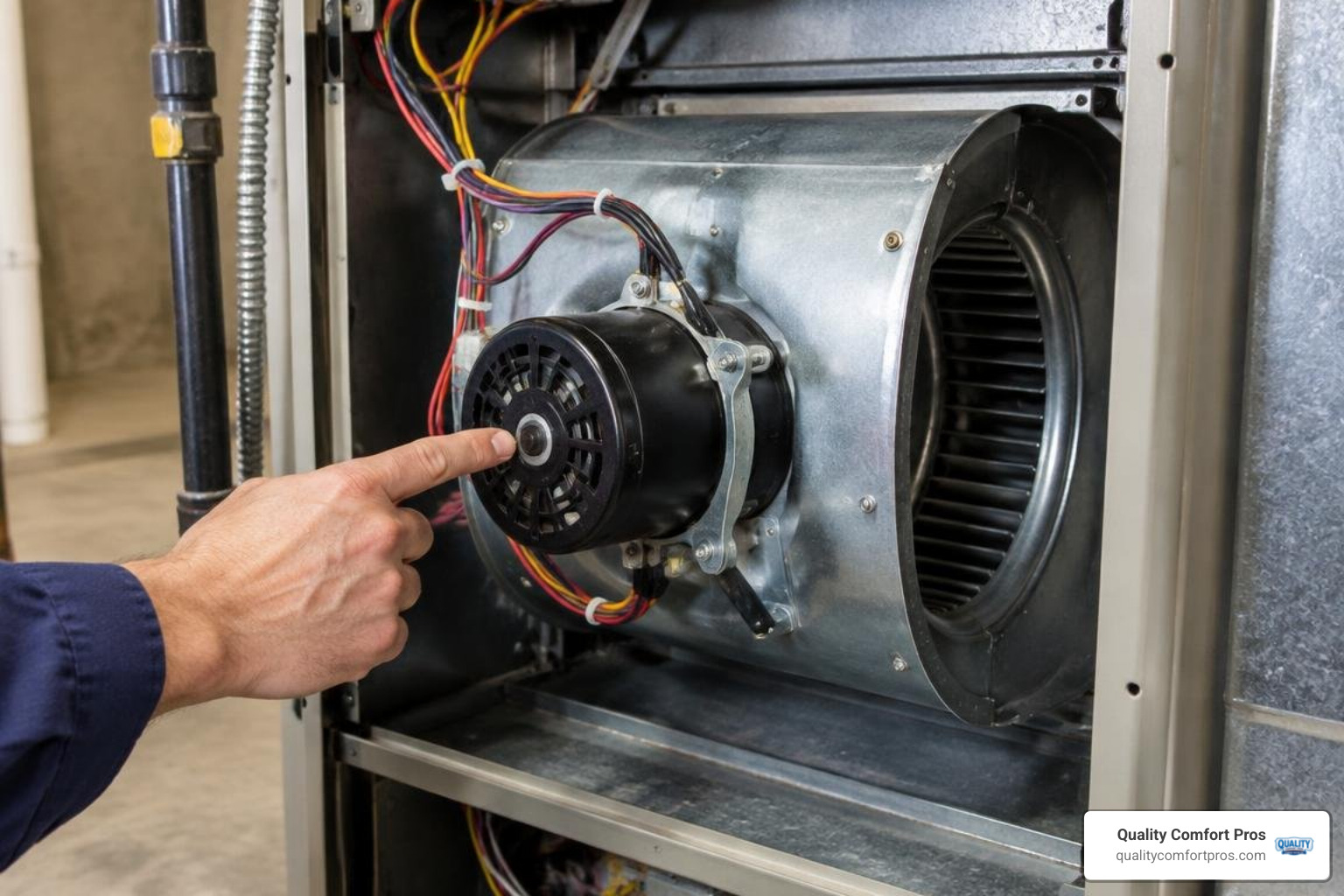
Northern Michigan winters bring heavy snow and months of temperatures well below freezing. Furnaces may run nearly nonstop during prolonged cold spells and demanding weather. That constant operation keeps the blower motor working long hours each day. Reliable airflow becomes especially important when households depend on steady heat.
Many older Gaylord homes still have original ductwork that was never sized for today’s equipment. Older ducts can leak or remain undersized, increasing static pressure during heating cycles. Added resistance makes the blower motor work harder to move warmed air. Our team can identify practical next steps after evaluating the home’s airflow.
Outlying communities, including Johannesburg, Vanderbilt, and Frederic, often have older heating equipment. Their ductwork may not have been updated for changing household comfort needs. Seasonal cabins near Petoskey and Bay View are also becoming year-round homes. In these situations, the blower may handle more airflow than its original design anticipated.
Furnace Repair Blower Motor Warning Signs
A failing blower motor often gives warning signs before it stops spinning completely. Recognizing changes early can help prevent a loss of heat during freezing weather. A professional inspection can determine whether the blower motor or another furnace component requires repair.
Weak airflow at the vents
Weak airflow from supply registers can be an early sign of a furnace problem. A dirty filter or blocked vents may restrict airflow, while our team evaluates internal causes. Some homeowners first notice the issue when their furnace stops working during a sharp temperature drop.
Restricted airflow can trap heat inside the furnace and trigger protective safety controls. The system may cycle repeatedly without warming rooms effectively when that occurs. A service visit can identify airflow restrictions and internal components safely.
Humming, Grinding or Squealing Near the Blower
Unusual sounds near the lower furnace cabinet can signal a mechanical or electrical problem. Humming, squealing, or grinding noises warrant a prompt professional evaluation. A winter furnace checkup can help identify worn components before winter weather becomes more severe.
Loud scraping or grinding can occur when a moving part no longer operates correctly. Continuing to run the furnace could worsen damage to the blower assembly or cabinet. Turn the equipment off and have our team inspect the source of the noise.
The Furnace Runs but the House Never Warms Up
A furnace may run continuously without warming rooms when heated air is not circulating properly. Burners can operate normally while airflow problems leave distant rooms noticeably cold. We can evaluate the blower, controls, and duct system to locate the issue.
When heat cannot move into the ducts, temperatures inside the furnace can rise quickly. Safety controls may interrupt burner operation to protect the equipment from overheating. Our technician can test the system safely and determine what is preventing proper airflow.
A Burning Smell or the Blower Stops and Starts
An electrical burning smell from supply vents requires immediate attention and a furnace shutdown. The odor can indicate an overheating internal component that needs our team’s evaluation. Do not restart the system until our technician has inspected the equipment safely. Because a gas furnace burns fuel, this is also a good moment to make sure your carbon monoxide detector works. According to CDC carbon monoxide guidance, homeowners should install a battery-operated or battery backup carbon monoxide detector in the home and check its batteries regularly.
A blower that stops and starts may be responding to an unsafe operating condition. Our technician can inspect the motor, electrical connections, and airflow conditions causing repeated interruptions. Prompt service can help protect the furnace from further damage and restore dependable operation.
Safe Checks Before You Call
Before requesting service, homeowners can complete several simple checks without opening the furnace cabinet. Make sure the thermostat calls for Heat and the fan setting remains on Auto. Those control settings confirm that the system is requesting normal warm-air circulation.
Check the air filter for heavy dust and debris, then replace it when needed. Keep supply registers and return grilles open and clear of furniture or rugs. Confirm the furnace switch is on before arranging a professional inspection.
Thermostat set to heat and fan to auto
Start by confirming that the thermostat is set to Heat before requesting service. The fan setting should remain on Auto for normal heating operation. An incorrect setting can prevent the system from circulating warm air properly. If settings appear correct, our team can investigate the problem safely.
A clean air filter
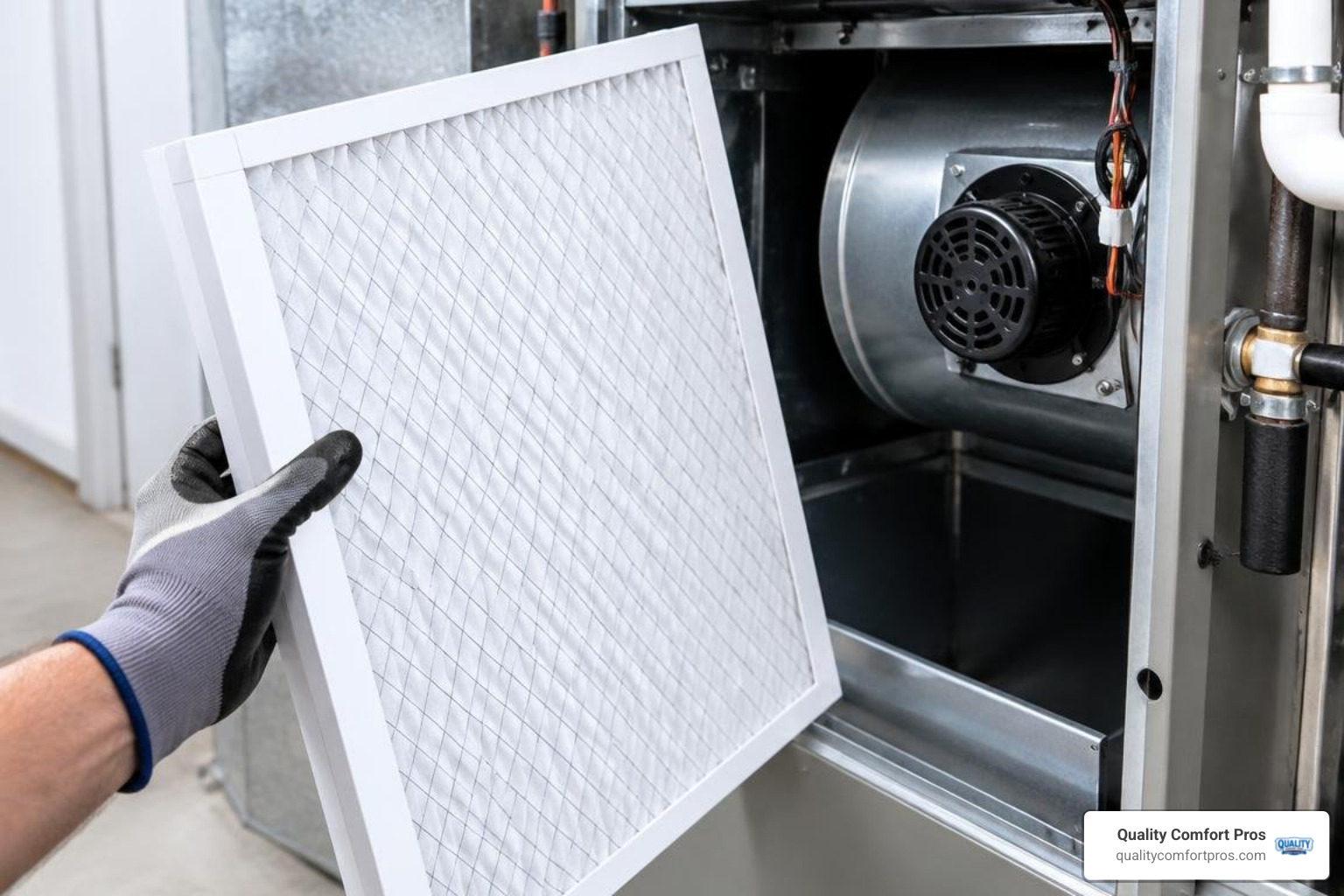
Inspect the air filter for dust, debris, or visible signs of restriction. Replace the filter when its condition indicates that normal airflow is limited. A clean filter helps return air reach the furnace more easily. A professional inspection can assess whether restricted airflow caused additional equipment concerns.
Open supply and return vents
Keep supply registers and return grilles fully open throughout the home. Move furniture, rugs, and stored items away from vents that need airflow. Blocked openings can make rooms uncomfortable and strain the heating system. Persistent airflow problems need professional evaluation after these safe checks.
Furnace switch and breaker
Confirm that the furnace switch is on before arranging professional service. Check the electrical panel for a tripped dedicated heating breaker. Reset a tripped breaker once, but do not repeatedly reset it. If it trips again, turn off the furnace and contact our team.
Safe Inspections and Blower Motor Precautions
Home heating equipment requires clear limits during any homeowner inspection. Keep the blower compartment closed whenever the furnace has active electrical power. Our team performs internal electrical work because those components can create serious shock hazards.
Do not touch internal wiring or attempt to spin fan blades manually. Run capacitors can retain dangerous electrical charges after the breaker is turned off. Limit homeowner checks to filters, visible switches, vents, breakers, and thermostat settings.
What Our Technician Checks on a Blower Motor Call
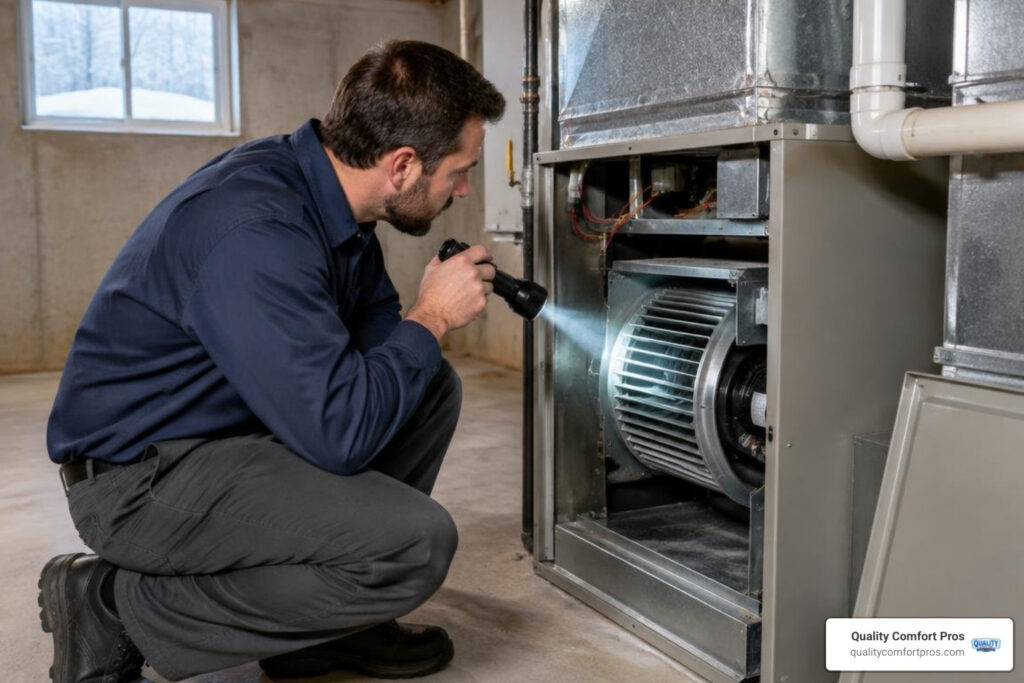
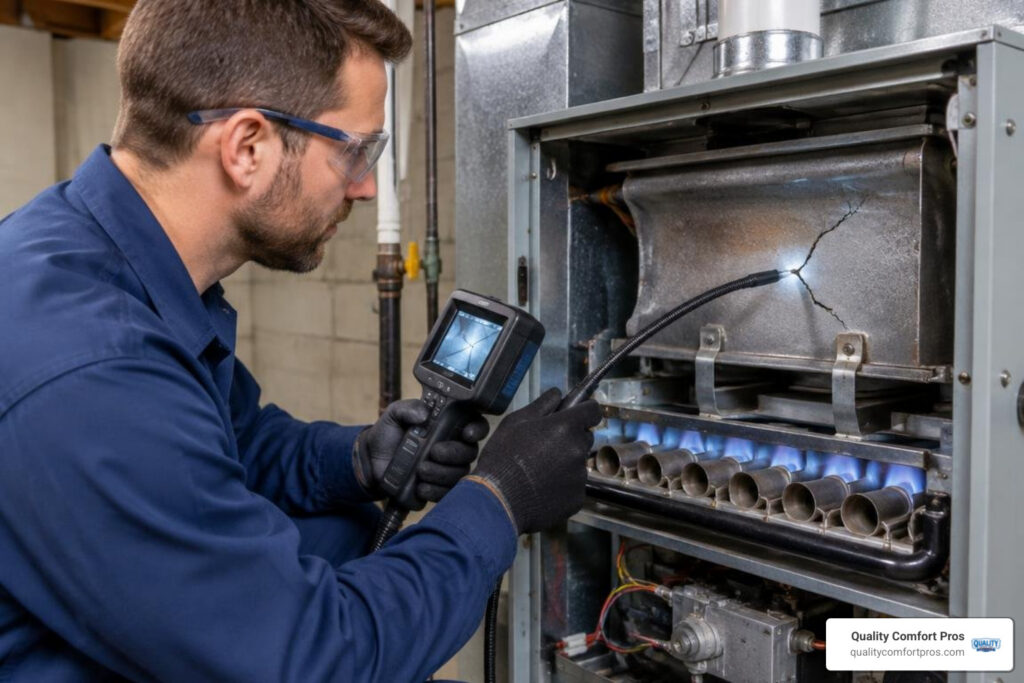
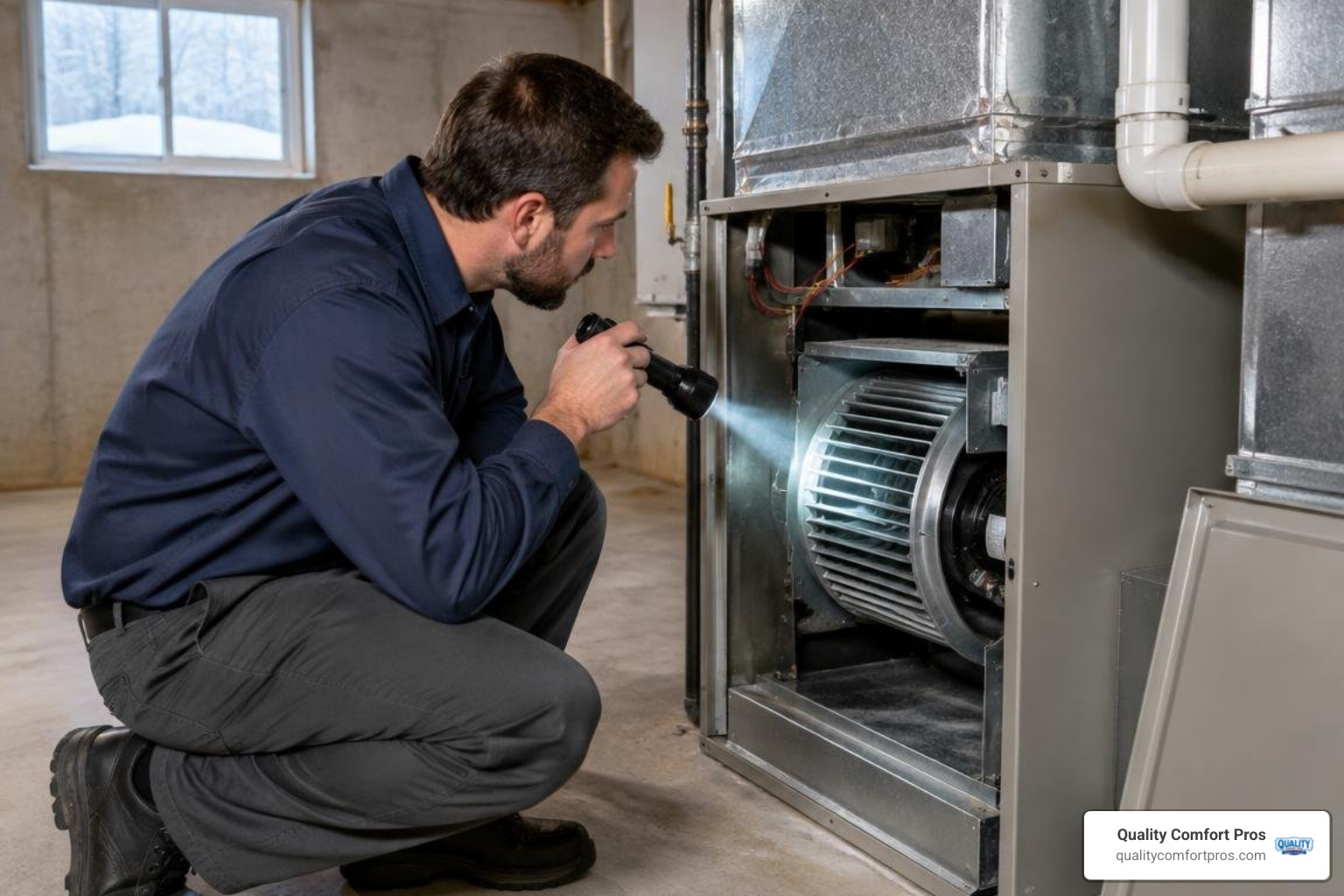
During a furnace repair service call, a service technician performs a thorough diagnostic evaluation. The inspection includes the motor, capacitor, blower wheel, control board, and electrical connections. Each component is examined for safe operation and signs of wear or damage.
The service visit confirms that moving components operate smoothly and the blower wheel remains clean. Professional furnace maintenance can help limit dirt buildup that affects airflow and motor performance. The control board and thermostat signals are also evaluated for reliable communication.
Professional Blower Motor Diagnostic Steps
Proper diagnosis includes evaluating airflow throughout the furnace and connected duct system. A service professional measures static pressure and checks whether duct sizing supports the home’s heating needs. These findings help identify restrictions that can make the blower motor work harder.
When testing identifies internal motor damage, a trained technician can remove the assembly for replacement. The technician aligns the motor and blower wheel to reduce vibration and bearing stress. Final combustion and airflow testing helps confirm that the furnace is operating safely.
A Recent Service Call in Bay View
A Bay View homeowner converting a seasonal cottage to year-round use found certain rooms never reached a comfortable temperature. Our technician identified an undersized blower struggling to push air through the home’s original ductwork. Upgrading the blower motor resolved the uneven heating. You can read more examples from that area on our Petoskey furnace repair page.
Repair the Blower Motor or Replace the Furnace
Deciding whether to replace a failed motor or the furnace depends on overall equipment health. Our technician considers the system’s condition, repeated breakdowns, and the heat exchanger’s safety. A repair may make sense when the remaining equipment is operating reliably.
The heat exchanger is an important factor when evaluating repair or replacement options. Rust, cracks, or other safety concerns can change the best recommendation for the home. ENERGY STAR furnace guidance notes that certified furnaces have higher AFUE ratings and higher efficiency blower motors, making them more efficient than standard models. Reviewing equipment history helps homeowners decide whether to repair or replace an aging heating system.
Keeping Your Blower Motor Healthy Through the Heating Season
Change the filter according to the schedule recommended for its specific filter type. Keep furniture and rugs away from return grilles so air moves freely. Maintain a clear area around the furnace for safe access and ventilation. These simple habits support normal airflow during the heating season.
Listen for unfamiliar sounds after a storm, outage, or other disruption. A new hum, rattle, or scraping sound deserves prompt professional attention. Book annual maintenance before the heating season to identify developing concerns. Annual maintenance can identify developing blower concerns before they affect dependable home comfort.
When to Schedule a Professional Blower Motor Check
Book a professional blower motor check before the first long cold stretch arrives. This timing gives our team an opportunity to review airflow and moving components before heavy seasonal demand begins. A planned visit can be especially useful when a furnace has been idle for several months.
Arrange a check after a major power outage, lightning event, or storm affects the home. Electrical interruptions and debris around exterior venting can change how heating equipment resumes operation. Our team can review the system before the next extended heating cycle.
Schedule an evaluation when a seasonal cottage is converted to year-round living. Longer occupancy can increase heating demands beyond what the original duct layout supported. A professional review helps match furnace airflow to the home’s current comfort needs.
Frequently Asked Questions About Furnace Blower Motors
What does the furnace blower motor do?
The blower motor powers the fan that moves air through the furnace and ductwork. It pulls return air across the heat exchanger, then pushes warmed air into living spaces.
Why is my furnace running but no air is coming out of the vents?
A blocked filter, thermostat issue, or internal blower problem can interrupt airflow. Our technician can inspect the motor, capacitor, and controls safely to identify the cause.
Why is my blower motor humming but not spinning?
A humming sound can indicate that the blower is receiving power but cannot start. Our technician can test the capacitor, motor, and electrical connections to determine the problem safely.
Can a dirty filter damage the blower motor?
A dirty filter can restrict return airflow and make the blower motor work harder. Replacing filters regularly helps support normal operation, while our technician can assess any resulting motor concerns.
What is the difference between a single-speed and a variable-speed blower?
A single-speed blower runs at one fixed output during a heating cycle. A variable-speed blower adjusts airflow gradually, helping maintain steadier comfort across the home.
Is it safe to keep running the furnace with a noisy blower?
Noisy blower operation can indicate a problem that may worsen while the furnace runs. Turn the system off and let our technician inspect the blower assembly safely.
Can I replace a furnace blower motor myself?
Replacing a blower motor involves high-voltage wiring and precise mechanical alignment. Our technician has the tools and training to complete this repair safely.
How long does a blower motor repair take?
Repair time depends on the diagnosis, needed parts, and the furnace’s configuration. Our technician can explain the expected service scope after completing a professional inspection.
Does an undersized blower cause uneven heat?
An undersized blower may struggle to deliver enough air to distant rooms. Our technician can evaluate duct sizing and blower capacity when uneven temperatures persist.
When should I call Quality Comfort Pros about my blower motor?
Call when you notice unusual noises, weak airflow, burning smells, or sudden furnace shutdowns. Our technician can identify the problem before it interrupts your home’s heating.
Conclusion
Quality Comfort Pros has been serving Northern Michigan since 1997. Our team provides professional care for blower motor problems and other heating concerns. Do not wait for a small airflow issue to leave the home without heat.
Reliable heating support should match the home’s layout and comfort needs. If the furnace fan hums, rattles, or stops moving warm air, contact our team for professional service.
Quality Comfort Pros, 1641 S Otsego Ave, Gaylord, MI 49735