Understanding Your French Drain Cleanout and Why It Matters
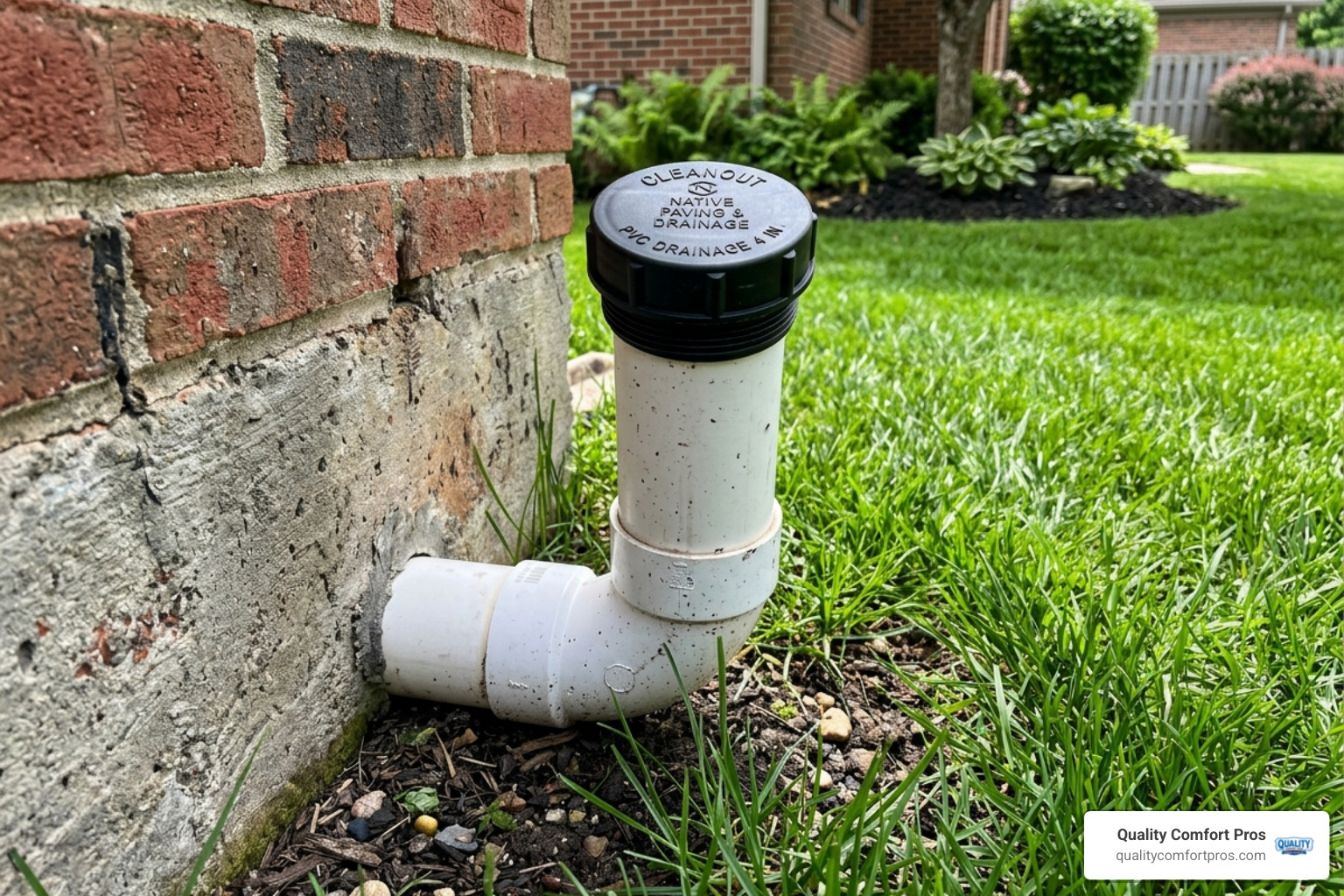
A french drain cleanout is an above-ground access point — usually a capped vertical or L-shaped pipe — that lets you flush, inspect, and unclog your underground French drain without digging up your yard.
Quick answer: How to clean out a French drain:
- Locate the cleanout access point (capped pipe near your foundation or at direction changes)
- Remove the cap carefully — stand to the side to avoid blowback
- Use a garden hose to flush debris toward the discharge end
- For stubborn clogs, insert a pressure washer nozzle (1,500–2,000 PSI max)
- Use a heavy-duty drain snake or auger for root or sediment blockages
- Flush once more with a hose and replace the cap
Your French drain is doing quiet, critical work every day. It sits beneath your yard or basement floor, redirecting groundwater away from your foundation using a simple combination of perforated pipe, gravity, and gravel. Most homeowners never think about it — until water starts pooling in the yard, the basement smells musty, or the sump pump runs nonstop.
In Northern Michigan, freeze-thaw cycles, heavy rainfall, and clay-rich soils make French drains work especially hard. Sediment, tree roots, and debris build up over time inside the perforated pipe. Without regular cleanouts, that buildup turns to mud, water backs up, and what was once protecting your foundation starts threatening it.
The good news? With the right tools and know-how, most French drain cleanouts are manageable DIY tasks. And when they’re not, knowing when to call a pro can save you thousands.
I’m JD Osman, and through my work at Quality Comfort Pros serving Northern Michigan homeowners, I’ve seen how neglected drainage systems — including the french drain cleanout — lead to costly foundation repairs that could have been avoided with simple annual maintenance. Let’s walk through everything you need to know to keep your system running for the full 25–30 years it’s designed to last.
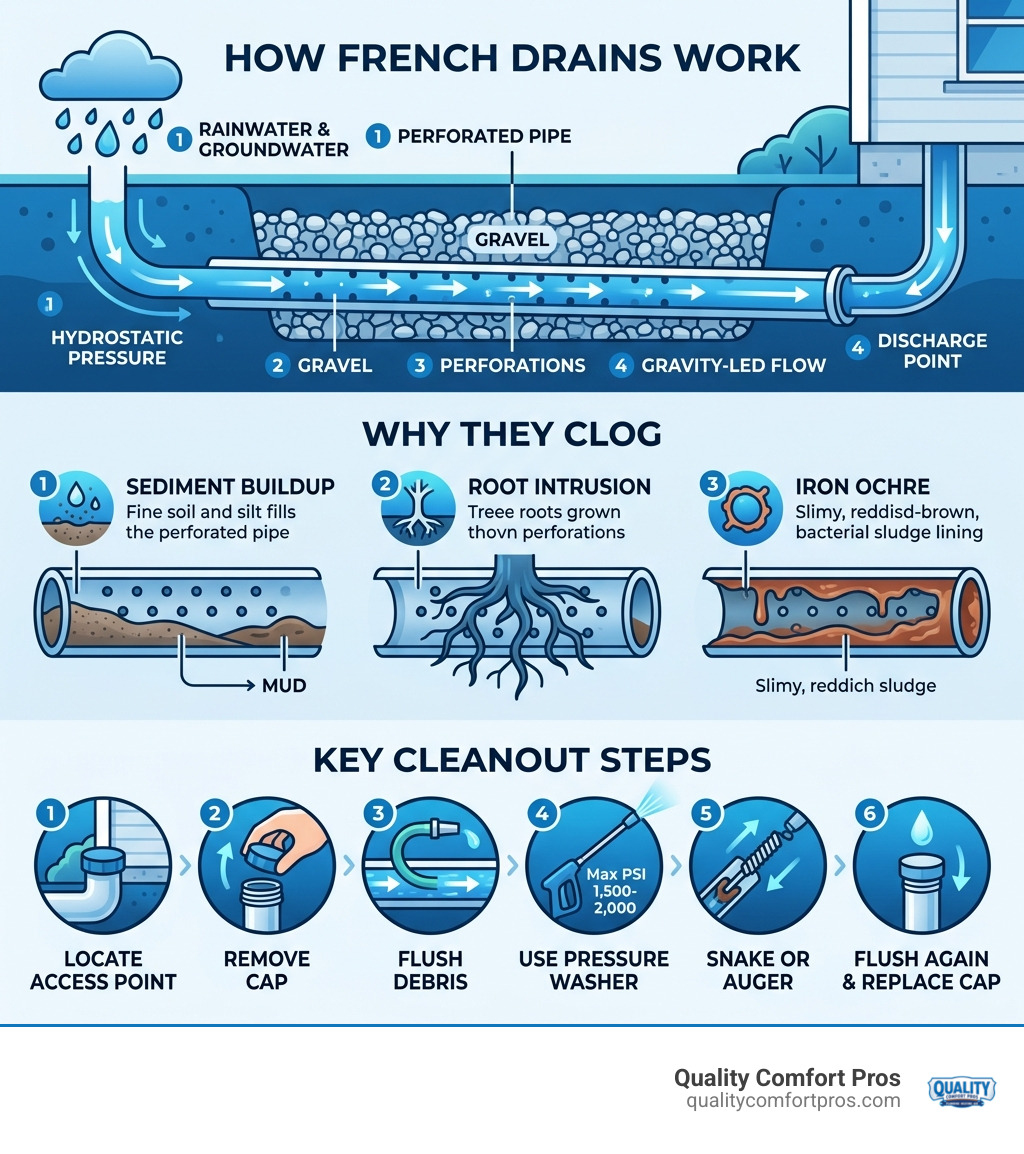
A French drain functions like an underground gutter system. It consists of a perforated pipe buried in a trench filled with gravel. Hydrostatic pressure pushes groundwater through the gravel and into the pipe’s holes, where gravity carries it to a safe discharge point.
However, because these pipes have “weep holes” to collect water, they also naturally collect fine silt and sediment. Over time, this sediment settles at the bottom of the pipe and turns into thick mud. In some areas of Northern Michigan, you might also encounter iron ochre—a slimy, reddish-brown bacterial sludge that can completely gelatinize inside a pipe.
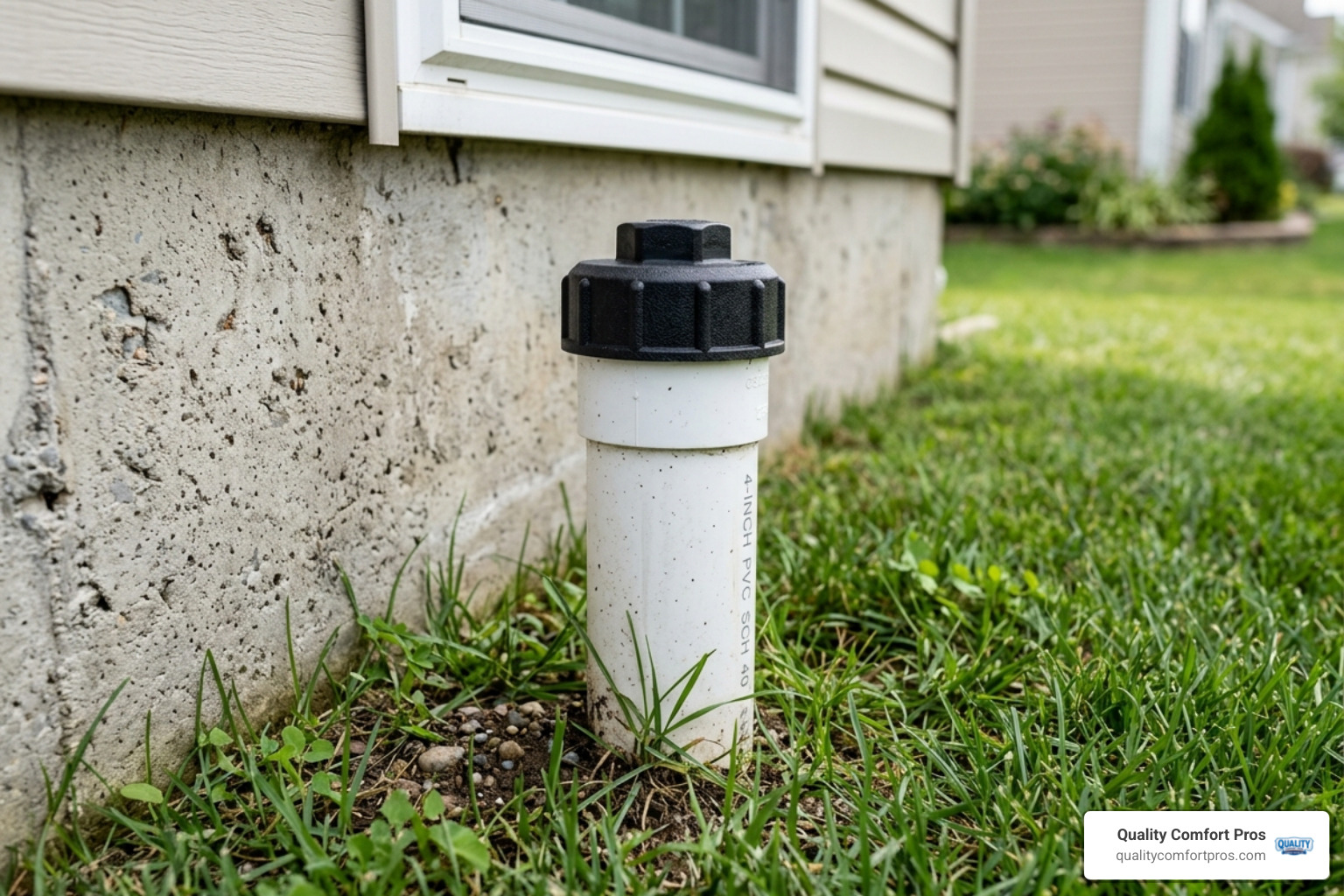
This is where the french drain cleanout becomes essential. A cleanout is a vertical riser pipe (usually 4-inch PVC) that extends from the main horizontal drain line up to the surface. It provides:
- Direct Access: You can insert cameras, hoses, or snakes without excavating.
- Maintenance Efficiency: It allows for annual flushing to prevent sediment from hardening.
- Root Management: It offers a point of entry to cut back invasive tree roots that seek out the water inside your drains.
Signs Your System Needs Maintenance
How do you know if your French drain is struggling? Since the system is underground, you have to look for surface-level clues. If you see any of the following, a french drain cleanout should be your top priority:
- Standing Water: If you notice puddles in your yard hours or days after a storm, the water isn’t entering the drain or the pipe is backed up.
- Soggy Lawn: A “spongy” feeling when you walk over the drain line suggests the gravel is saturated and the pipe is full.
- Basement Dampness/Musty Odors: If your interior French drain is clogged, water will seep through the floor or walls, leading to mold and structural damage.
- Sump Pump Overactivity: If your sump pump is cycling every few minutes, it may be struggling against a backup in the perimeter drain.
- Gurgling Sounds: Air trapped behind a clog can cause strange noises as water tries to push through.
If you notice these red flags, you may need professional drain clog removal to prevent foundation erosion.
Testing for a Clogged French Drain Cleanout
Before you rent heavy equipment, perform a simple “Hose Test.”
- Locate the Access Point: Find the highest point of your drain (usually near the foundation or a gutter downspout).
- The Flood Test: Remove the cleanout cap and run a garden hose into the pipe at full blast for 10–15 minutes.
- Observe the Discharge: Walk to the end of the drain (the “daylight” point or pop-up emitter). If water flows out freely, your pipe is clear, and the issue might be surface compaction or clogged gravel. If water backs up out of the cleanout or wells up in the yard, you have a confirmed clog.
- Check for Silt: Look for “silt migration” or surface erosion around the pipe, which indicates water is escaping the pipe because it can’t flow through it.
How to Perform a DIY French Drain Cleanout
Cleaning a French drain is a manageable project for many homeowners in Gaylord or Petoskey. It generally takes 2–4 hours and requires some basic safety precautions.
Safety First: Always wear gloves and safety glasses. When removing a cleanout cap, stand to the side. If the system is under pressure, dirty water can “blow back” with significant force. If you are working on an interior basement drain, ensure the electricity is shut off to nearby appliances to avoid shock risks from splashing water.
Step-by-Step French Drain Cleanout Process
- Locate and Open: Find your cleanout (look for a 4-inch round cap). Use a pipe wrench if the cap is stuck.
- Vacuum Debris: Use a heavy-duty shop vacuum to suck out any leaves or loose dirt visible near the top of the riser.
- The Initial Flush: Insert a garden hose as far as it will go and turn it on. This softens the mud and sediment.
- Pressure Wash: If the hose isn’t enough, use a pressure washer with a specialized sewer jetter nozzle. Start with low pressure (around 1,500 PSI) and work the nozzle back and forth to “scrub” the pipe walls.
- Mechanical Snaking: For tough clogs or roots, use a manual or electric drain snake. Feed it slowly until you hit resistance, then rotate to break up the obstruction. Pro Tip: Don’t rush the snake through elbows/bends, or you could crack the pipe.
- Final Rinse: Once the clog breaks, flush the system with high-volume water until the discharge runs clear.
- Inspect and Cap: Ensure the threads on the cap are clean before screwing it back on to prevent future leaks.
Essential Tools for a French Drain Cleanout
To do the job right, you’ll need more than just a bucket. We recommend the following:
- Pressure Washer: 1,500–2,000 PSI is the “sweet spot.” Anything higher risks shattering older corrugated plastic pipes.
- Rotating Sewer Nozzle: These nozzles have rear-facing jets that pull the hose into the pipe while cleaning the sides.
- Heavy-Duty Auger/Snake: Rent a unit with a “root cutter” attachment if you have large trees nearby.
- Drainage Rods: These flexible rods can be screwed together to push through long straight runs.
- Inspection Camera: If you have recurring issues, a small waterproof camera can help you see if the pipe has collapsed.
DIY vs. Professional Cleaning Costs
| Factor | DIY Method | Professional Service |
|---|---|---|
| Equipment Cost | $50–$90 (Rental) | Included |
| Labor Time | 2–4 Hours | 1–2 Hours |
| Effectiveness | Moderate (Surface clogs) | High (Deep clogs/Roots) |
| Typical Price | $50–$100 | $150–$340 |
| Risk | High (Pipe damage) | Low (Insured/Expert) |
Proactive Maintenance and Preventing Future Clogs
A properly maintained interior or exterior French drain can last 25–30 years. To hit that milestone, follow these best practices:
- Annual Flushing: Don’t wait for a clog. Flush your system every spring to clear out winter sediment.
- Install Leaf Filters: High-quality leaf filters prevent debris from gutter downspouts from ever entering your underground pipes.
- Maintain the Slope: The ideal slope for a French drain is 1 inch per 8 feet. If the ground settles and the pipe loses its “pitch,” water will sit still and drop sediment, leading to a “mud-clog.”
- Root Barriers: If you have willow or maple trees, install a physical root barrier between the tree and the drain line.
- Geotextile Fabric: Ensure your drain is wrapped in professional-grade geotextile fabric. This acts like a coffee filter, letting water in while keeping soil particles out.
- Pop-up Emitters: Check your discharge point. If it’s a pop-up emitter, make sure it isn’t buried under grass or mulch.
Regular drain cleaning is the cheapest insurance you can buy for your home’s foundation.
Frequently Asked Questions about French Drain Maintenance
How often should I clean my French drain?
We recommend an annual cleaning to remove built-up sediment. In Northern Michigan, the best time is late spring after the ground has thawed and the heavy rains have subsided. If you live in an area with high iron ochre or many trees, you may need a professional camera inspection every two years.
Can I add a cleanout to an existing French drain?
Yes! This is called “retrofitting.” A drainage specialist can excavate small sections of your existing line and install wye-style tees with PVC risers. We recommend placing them at every change in direction greater than 45 degrees and every 50 to 75 feet on long straight runs.
When should I call a professional for drain cleaning?
DIY is great for silt and leaves, but you should call Quality Comfort Pros if:
- The clog is persistent: If you’ve snaked it and water still doesn’t flow.
- Tree roots are involved: Cutting roots requires heavy-duty equipment that can easily destroy a plastic pipe if used incorrectly.
- Structural damage is visible: If your basement walls are bowing or you see large cracks.
- Pipe Collapse: If your snake won’t go through because the pipe has been crushed by heavy vehicle traffic or soil shifting.
Conclusion
A french drain cleanout is more than just a pipe in the yard; it is the “lungs” of your home’s foundation protection system. By keeping it clear of sediment, roots, and debris, you ensure that your basement stays dry and your property value remains high.
Whether you’re in Gaylord, Petoskey, or Grayling, Quality Comfort Pros is here to help. With 28 years of experience in Northern Michigan, our family-owned team understands the unique challenges our climate poses to residential drainage. From simple flushing to complex camera inspections and root removal, we provide reliable, expert solutions for all brands of drainage systems.
Don’t wait for the next heavy rainstorm to find out your system is failing. Schedule your professional drain cleaning today and give your home the protection it deserves.