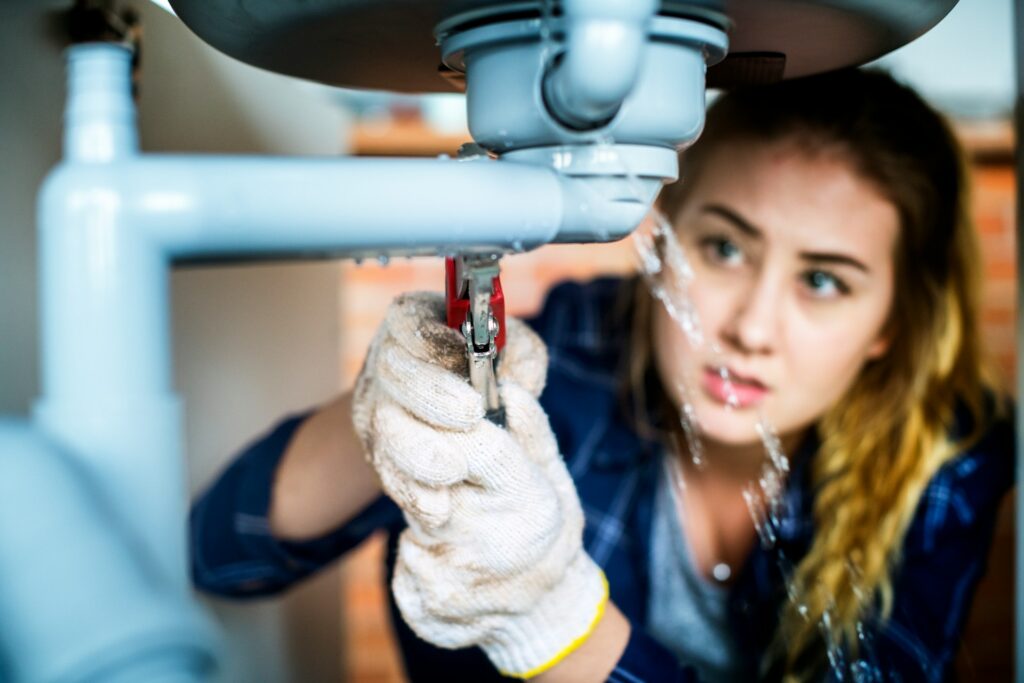

Winter in Northern Michigan is no joke. The wind howls, temperatures drop fast, and even well-built homes aren’t immune to the toll cold weather can take. One of the most frustrating problems we see in homes during deep freezes is a leaky pipe. It usually starts small, but when it happens during bitter cold spells, it can turn into a big mess pretty quickly.
We have been serving Gaylord and Northern Michigan since 1997 with plumbing and HVAC services, so we know how quickly winter pipe problems can move from a nuisance to a serious issue. When pipes freeze, they don’t just stop the flow of water. They build pressure inside that can push against the pipe’s walls until something gives. Knowing what causes these leaks makes it easier to spot trouble before damage spreads. If we understand where things tend to go wrong and why, we’re better prepared to keep our spaces dry and warm through the coldest months.
How Freezing Temperatures Affect Pipes
Pipes aren’t built to stretch. Inside each one, water flows freely when things are working right. But when the temperature outside drops and the water inside a pipe starts to freeze, it turns to ice, which takes up more space. That expansion adds pressure from the inside out. And pipes can only take so much of it.
The first sign isn’t always a break. Sometimes, the water stops because the pipe is frozen solid. That can be enough to raise concern, especially if it happens in a wall or floor where you can’t see it right away. If the ice keeps building and has nowhere else to go, the pipe may eventually burst. Burst pipes are loud and dramatic, but even a tiny crack from pressure can let a slow leak through.
Over time, even partial freezing wears down the pipe’s surface. The freeze-thaw cycle weakens the material. Areas that get cold and then temporarily warm up might not burst right away, but they’re more likely to leak later when the pipe is under stress again.
Common Pipe Materials and Their Cold-Weather Weak Points
Not all pipes are created equal when winter rolls in. Some materials handle cold better than others, but each has its own set of weaknesses.
- Copper pipes are pretty standard and have been used for years. They’re strong but don’t flex much. That makes them more likely to split if ice builds up inside.
- PVC pipes, often used in newer homes, are more flexible but can become brittle in cold temperatures. Once they crack, they don’t usually hold up under pressure.
- PEX piping tends to flex better than copper or PVC in the cold, but it still needs sound insulation. Without it, even the best pipe material can freeze and push past its limits.
Older pipes tend to break down more quickly due to wear and tear over the years. Even newer materials won’t hold up if installed in spots exposed to the freezing outdoor air or where insulation is thin or missing.
What Triggers a Leaky Pipe During a Michigan Winter
Leaks don’t usually come out of nowhere. Something sets them off, especially during the coldest parts of Northern Michigan’s winter. The freeze-thaw pattern is one of the biggest culprits. When water freezes, it expands. When it thaws, it contracts. That back-and-forth movement adds stress to the inside of the pipes.
Wind chill, which affects exterior walls and crawl spaces, can speed up freezing. Pipes that run along outside walls or through drafty gaps are far more exposed to that cold air, and snow piled up around vents or foundation walls keeps those areas even more frigid, raising the risk of long-term freezing.
Pressure from frozen areas can get trapped between ice and closed valves. If water can’t move freely and gets compressed between two frozen points, it looks for a weak spot to escape. That’s often how a leaky pipe starts in the winter, through a hairline crack that grows under pressure.
Hidden Problem Areas that Lead to Pipe Leaks
Not all pipes are easy to find. Some are tucked away in places we don’t look often, and that can be part of the problem. These lower-visibility areas can freeze more easily because no one is watching them.
- Crawl spaces are one of the top spots for hidden leaks. Cold air sneaks in fast, and there’s rarely sufficient insulation beneath the floor.
- The exterior walls are another big one. Pipes inside them might look fine from the inside, but behind the drywall, they’re right up against outside air.
- Basements, especially unfinished ones, often have exposed pipes that sit next to poorly sealed windows or foundation gaps.
Leaks in these areas don’t always show up right away. They might start as a slow drip and build over time. If that water doesn’t get spotted quickly, it can damage nearby wood, insulation, or wiring. That makes it even more important to pay attention when you aren’t sure where a drop in water pressure or a strange sound is coming from.
How Past Repairs or Pipe Age Can Impact Winter Leaks
Older homes have charm, but they also come with older plumbing. Over time, pipes wear down. Connectors loosen, and repairs done years ago don’t always hold up when tested by cold.
If a pipe was patched together at some point, that spot will likely be the first to fail. Winter cold exaggerates weak points. Seals dry out and crack. Soldered joints weaken. Rusted areas thin and can’t withstand the seasonal shifts in temperature and pressure. Once a section of pipe starts to leak from winter stress, there’s a higher chance that other areas will soon follow.
We’ve seen it happen again and again. A leaky pipe in one room is often a warning sign of what might appear elsewhere in the house. Catching that first failure early makes a big difference. Our plumbing team handles leaky pipe repair and replacement, as well as water line repair and replacement, for both new and existing homes.
Stay Ahead of Winter Pipe Problems
Cold weather is only part of the story. The shape of the home, the age of the plumbing, the type of pipe material, and where those pipes run all work together to decide whether things will hold up through a Michigan winter. We even offer cottage opening and closing services in Northern Michigan to help protect seasonal homes from freeze-related plumbing damage.
Paying attention to the signs of a leaky pipe early on, lower water pressure, odd puddles near walls, or strange noises when the faucet’s off, can help slow a significant issue before it starts. Knowing where your risk areas are and checking them at the start and midseason can help you avoid surprise plumbing headaches once the deep freeze settles in.
Noticing signs of a leak or feeling uncertain about your pipes in cold weather is a smart reason to take action before problems get worse. Winter conditions in Northern Michigan can be challenging, and older plumbing may not withstand the pressure. Sometimes, a slow drip or reduced water pressure is your best clue that a hidden leaky pipe might be the cause. At Quality Plumbing Heating and Air, we understand how our local climate affects your home, and we’re ready to help. Give us a call when something seems off.