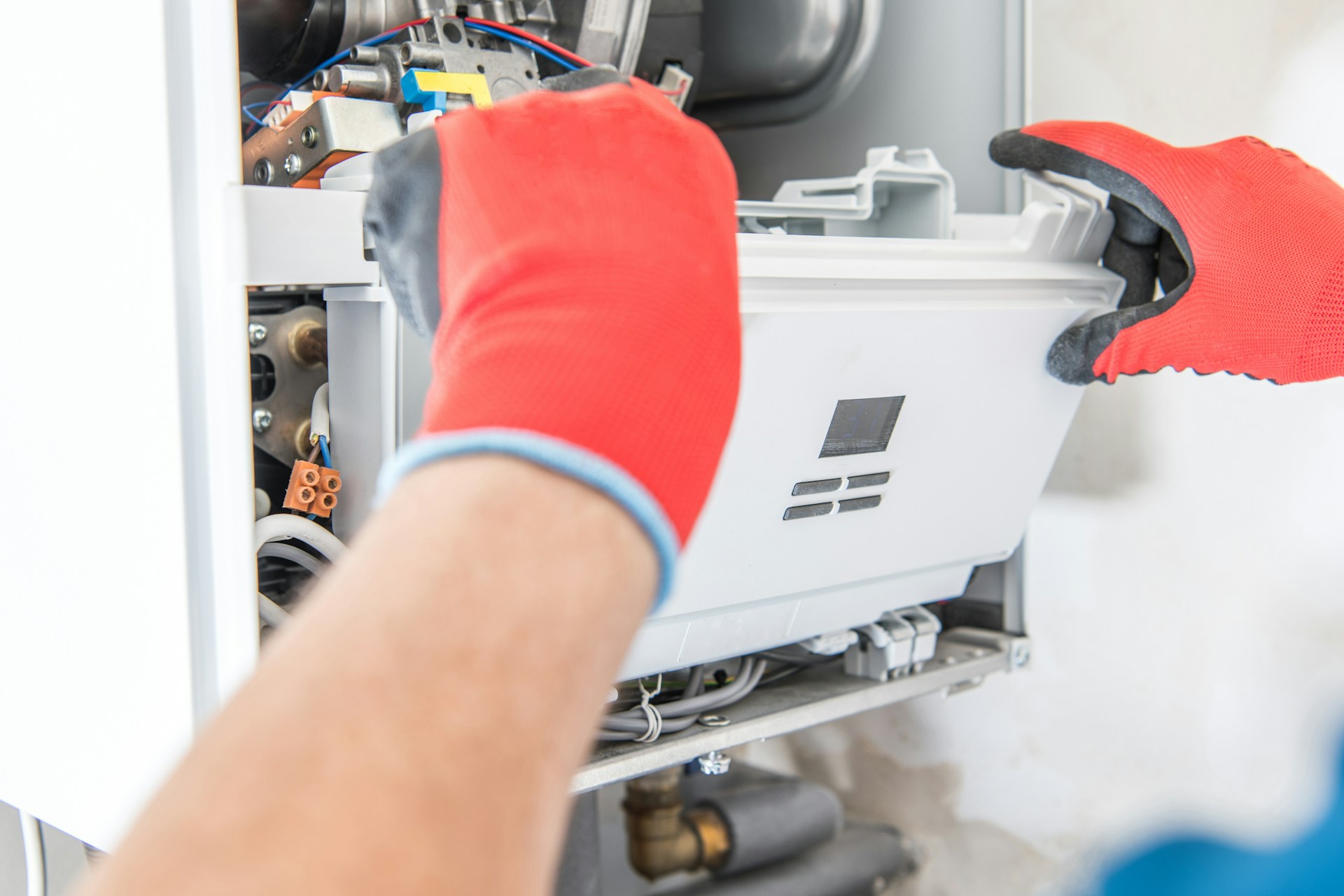
When a furnace stops working, most homeowners want to know two things right away: what broke, and how much it will cost. Many furnace repairs are relatively minor, but some parts can turn into a serious investment, especially when you need heat restored fast in a Northern Michigan winter.
In this article, we will walk through the furnace components that tend to be the most expensive to repair or replace, why they fail, and how good furnace maintenance can help you avoid the biggest bills. Understanding these parts also makes it easier to decide when repairing your existing furnace still makes sense, and when it might be time to plan for longer-term solutions with your service technician.
When a Furnace Repair Becomes a Major Expense
Not every furnace issue is a budget breaker. Sometimes, a failed igniter or dirty flame sensor is all that stands between you and a warm home. Those repairs are usually straightforward. Higher costs occur when a major component, such as the control board, heat exchanger, blower motor, or gas valve, fails.
What you pay is shaped by several factors, including:
- Which part failed, and how complex is it?
- The age and condition of your furnace
- Whether the part is still readily available
- How quickly you need the repair completed
In a Northern Michigan winter, speed matters. Emergency service, long drives in bad weather, and frozen homes all add pressure. When you understand which parts are typically the most expensive to fix, you can make calmer, smarter choices about repairs, furnace maintenance, and how to work with your service professional to get the most out of your current system.
The Control Board: The Brain of Your Furnace
Think of the control board as the brain of your furnace. It receives signals from the thermostat, checks safety switches, controls the gas valve and ignition, and tells the blower when to start and stop. Every heating cycle runs through that little circuit board.
Control boards are often among the most expensive components to repair or replace because they are specialized electronics. A proper repair usually includes:
- Diagnostic time to confirm the board is actually the problem
- Careful testing of related parts so the new board is not damaged
- Programming or setup for the specific furnace model
Common causes of control board failure include power surges, moisture inside the furnace cabinet, age, and, in some cases, incorrect past repairs. Skipped furnace maintenance can also play a role, since small electrical issues or failing motors can put extra stress on the board over time.
Costs can vary depending on the brand and model, as well as whether the board is still in regular production. Older furnaces sometimes require hard-to-find parts, which can increase both the price and the wait time. Intermittent failures, where the furnace works one day and not the next, can also extend diagnostic time. This is where an experienced service technician, like the ones on our heating and cooling service team, really matters.
Heat Exchangers and the Safety Factor
The heat exchanger is the heart of the furnace, where combustion occurs on one side, and the air you breathe circulates on the other. Its job is to let heat pass through while keeping combustion gases, including carbon monoxide, completely separate from your indoor air.
When a heat exchanger cracks or corrodes, it becomes a serious safety concern. Servicing a heat exchanger can be extremely expensive because it often means major labor to disassemble and reassemble the furnace cabinet. In many cases, homeowners work closely with their service technician to understand the costs, safety implications, and available repair options for their existing equipment.
Warning signs of a heat exchanger problem can include:
- Frequent furnace shutdowns or tripped safety switches
- Carbon monoxide detector alerts
- Unusual odors when the furnace runs
- Visible rust, corrosion, or cracks found during a professional inspection
A compromised heat exchanger is not something to watch and wait on. If there is any suspicion of a crack, the safe choice is to shut the furnace down until it can be properly inspected. This is one of those situations where having a trusted, family-owned contractor who puts safety first is worth its weight in gold.
Blower Motors, Ignition Systems, and Other Costly Repairs
The blower motor is what pushes warm air through your ducts and into every room. Without it, your furnace might fire up, but the heat will never reach your living spaces. Modern variable-speed motors can be especially pricey because they use advanced electronics to ramp up and down smoothly for better comfort and efficiency.
Blower motors tend to fail sooner when:
- Filters are not changed often enough
- Ducts are dirty or restricted
- The furnace is oversized or improperly installed
- Regular furnace maintenance is skipped
Ignition systems are another common source of furnace trouble. Hot surface igniters and flame sensors fail more often than big mechanical parts, and while each individual part is not usually the most expensive in the furnace, they can still cost more than simple items like switches or filters. When they fail repeatedly, the total adds up.
Other parts that can lead to a significant repair bill include:
- Gas valves
- Inducer motors
- Major wiring or connection issues
Age, installation quality, and everyday operating conditions in Northern Michigan homes all influence which parts tend to fail first. A furnace that has seen heavy use, lacks maintenance, or has poor airflow is usually the one that surprises you with a bigger bill. Working with a service-focused contractor can help you address underlying issues and extend the life of these components.
Making Smart Decisions with Your Service Technician
When an expensive furnace part fails, it helps to have clear information from a trusted service professional. Instead of guessing, homeowners can rely on detailed diagnostics, up-front pricing, and honest guidance about the condition of their existing equipment.
You might lean toward more extensive repairs and service work if:
- One major part has failed, but the rest of the furnace is in good condition
- The furnace has been well-maintained over the years
- Energy bills and comfort levels have been reasonable
- Your service technician confirms there are no widespread or recurring issues
When we help homeowners in Northern Michigan weigh these choices, we look beyond the immediate repair quote. We also talk about comfort, safety, energy use, and long-term costs of continuing to service the furnace you already have. Our team at Quality Plumbing Heating and Air focuses on these service-side conversations every day.
How Preventive Care Helps Avoid the Big-Bill Repairs
The best way to avoid the most expensive furnace repairs is to maintain your furnace regularly and professionally. A thorough inspection and cleaning can bring early warning signs to light long before something fails in the middle of a cold night.
Good maintenance helps catch:
- Weak or cracked igniters
- Dirty burners and flame sensors
- Restricted airflow from dirty filters or ducts
- Loose electrical connections and stressed control boards
Key service tasks that protect your major components include cleaning and tightening electrical connections, checking gas pressure and combustion, inspecting the heat exchanger for damage, and confirming the blower and inducer motors are operating within normal ranges. When airflow is correct and parts are not working harder than they should, everything lasts longer.
For families in Northern Michigan, that means fewer emergency breakdowns on the coldest nights, more reliable comfort, and better performance from the furnace you already own. By pairing smart repair decisions with regular maintenance, you can keep your home safe and warm while avoiding many of the biggest, most stressful furnace repair bills, all through a strong focus on service and ongoing care of your existing system.
Keep Your Home Comfortable with Expert Furnace Care
Stay ahead of costly breakdowns and unexpected cold nights by scheduling professional furnace maintenance with Quality Plumbing Heating and Air. We carefully inspect, clean, and tune your system so it runs safely and efficiently all season long. If you are ready to book service or have questions about your system, simply contact us, and we will help you find a convenient time.