Winter storms in Northern Michigan are serious. When the snow falls hard and the wind picks up, losing power is more than just frustrating; it can interrupt your whole day. That is why many homeowners choose to install a whole-home generator. It keeps everything running when the grid shuts down and lets you stay warm, safe, and comfortable, no matter what the weather is doing outside. Quality Plumbing Heating and Air specializes in the installation and maintenance of whole-home generators for Northern Michigan homes.
If you have been considering one, you might wonder what the installation involves. Since most people only do this once, understanding what to expect is helpful. We will walk through each stage, from the initial prep steps to what happens on install day and what it is like to use your system once it is in place.
Understanding What a Whole Home Generator Does
A whole-home generator serves as a backup power source, quietly supporting your home. When an outage occurs, your generator starts automatically and sends electricity to your home’s main panel. Your lights stay on, your furnace keeps running, and your refrigerator continues working.
Many people ask how this compares to smaller, portable units. The main difference is coverage. A whole-home generator is wired into your house and starts automatically when needed. There is no fuel can to refill or a manual switch to flip during bad weather. You do not have to carry equipment outside or run cords through windows.
The setup is permanent. It connects directly to your electrical and gas systems, typically using natural gas or propane, and is set up to power most or all of your home. You decide which areas or appliances to back up during planning, and the system is configured accordingly from the start.
Preparing Your Home for Installation Day
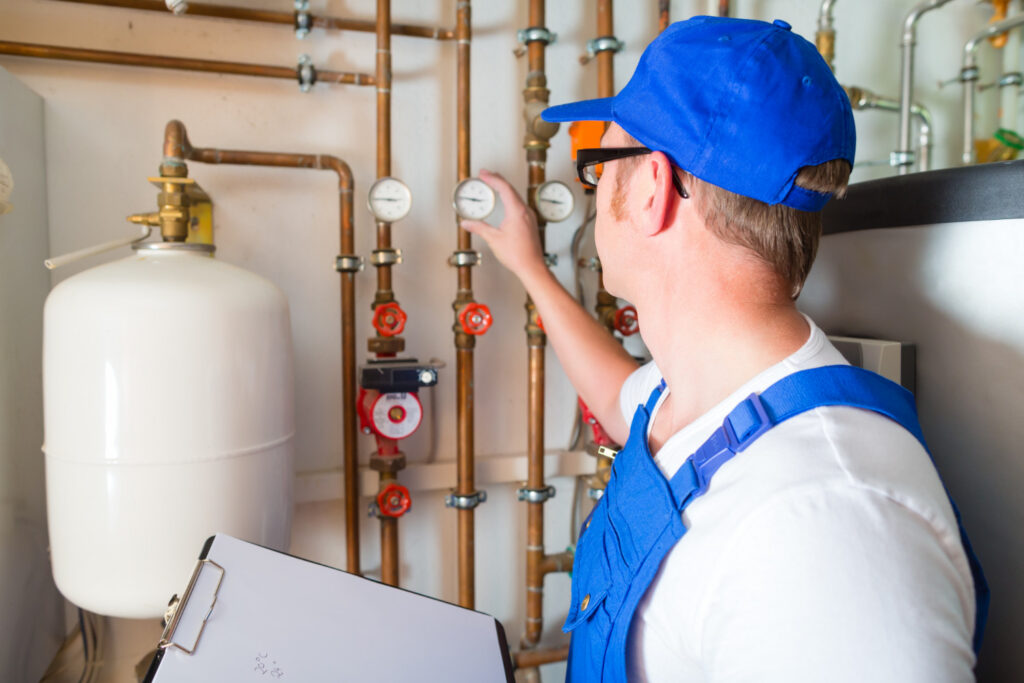
Before any drilling or digging starts, some planning takes place. The first step is to inspect your home to determine the best generator size and where it should be placed. Our certified technicians assess your home’s power needs and recommend the ideal generator size and brand before any work begins. Every house is unique, so your generator setup may not look exactly like someone else’s.
Some things that are considered include:
- How much electricity your household typically uses
- Where the main electrical panel is located
- Access to gas lines or tanks
- A suitable outdoor location that meets safety and code requirements
This step matters because it helps the process run smoothly on installation day. If prep is overlooked or rushed, parts of the job may take longer or require rescheduling. Scheduling also considers local weather, especially in Northern Michigan, where snow can arrive with little notice.
What Happens During Installation
Installation day involves a few stages, but it typically goes faster than people expect. If your generator needs a concrete base, that will be prepared first. Once the foundation is ready, the unit is delivered and set in place.
Then, the core tasks begin:
- Electricians connect the generator to your main panel and transfer switch
- Gas technicians link it to a natural gas line or propane supply
- The line voltage is tested, connections are checked, and the full system is reviewed for safety
- After everything is connected, the generator is started for a test run
We strive to minimize disruption to your daily routine. Sometimes a brief power shutdown is necessary, but it is kept as short as possible. The weather can slow certain phases of the job, which is expected in this region. If heavy snow or extreme cold occurs, safety is the top priority.
Final Setup and What to Know Before Using Your Generator
After installation work is completed, there are a few steps left before you are ready to rely on your new system. We go through how it operates, highlight what to notice during operation, and explain routine tasks that keep it in top condition.
This includes:
- Demonstrating how the generator detects outages and starts or stops automatically
- Reviewing how run time depends on your fuel source
- Walking you through routine weekly self-tests to ensure the system is always ready
It is important to keep the area around the unit clear, especially in winter. Snow or branches can impede airflow if they build up near the equipment. Seasonal maintenance helps your generator last longer. Taking a few minutes for a check-up before extreme cold or stormy periods improves reliability.
Staying Warm Without Worry
Experiencing a power loss during a cold Northern Michigan winter can be challenging. A whole home generator adds a layer of protection against unexpected outages. When strong winds blow or ice damages a power line, you will not be left scrambling in the dark.
Understanding the process, from start to finish, makes this home upgrade much more manageable. Each part of the installation focuses on safety and comfort. Once everything is complete, you can relax, knowing your home is better prepared for winter’s weather. Whole home generators we install include a 5-year warranty, and our team is available for ongoing maintenance so your backup power system stays ready for future storms.
To further clarify and ensure a complete understanding of the installation process, additional explanations have been added to seamlessly connect the discussed stages and reinforce the importance of orderly preparation and maintenance.
Planning ahead for the next big storm in Northern Michigan means having a reliable backup solution for your home. A professionally installed system removes the stress of temporary setups and provides lasting confidence. If you are considering whether a whole home generator is the right fit, Quality Plumbing Heating and Air can help you make the best decision. Reach out today to talk with our team about your options and get ready for any weather that comes your way.