Enjoy Custom Comfort Before Northern Michigan Summer Arrives
Mini-split AC installation is one of the easiest ways to make an older Northern Michigan home more comfortable without tearing the house apart. When spring days swing from chilly mornings to warm afternoons, it is the perfect time to plan ahead so you are not scrambling for cooling on the first hot, sticky weekend.
Ductless mini-splits are great for homes that were never set up for central air. They cool the rooms you actually use, run quietly, and do not require long, hidden duct runs in walls and ceilings. That makes them a smart fit for cottages, lake homes, and year-round houses across our area.
Our team at Quality Plumbing Heating and Air focuses on helping homeowners upgrade what they already have, not on new construction projects. We spend our days solving comfort problems in real, lived-in homes. In this article, we will walk through smart choices for mini-split AC installation, from where to place the units to how to plan for energy savings and long-term reliability.
Why Mini-Split ACs Fit Northern Michigan Homes
Many Northern Michigan homes were built long before central AC was common. Some have hot water heat, some have electric baseboards, and many have only a small amount of ductwork. That makes traditional AC tricky, but it is exactly where mini-splits shine.
Mini-splits are especially handy in spaces like:
- Upper-level bedrooms that stay warm at night
- Finished attics or bonus rooms over the garage
- Sunrooms and three-season rooms that overheat in the afternoon
- Lake homes and cabins that see heavy use in summer
Heat pump mini-splits can also help during shoulder seasons. On a cool spring or fall day, you may not want to fire up the whole heating system. A ductless heat pump can take the edge off a chilly room without overworking your main furnace or boiler.
Energy control is another big benefit. Instead of cooling the whole house just to make one room comfortable, you can cool only the spaces in use. Compared to window units and older central AC systems, many homeowners find:
- Better temperature control from room to room
- Quieter operation inside and outside
- Less air leakage, since windows stay closed and locked
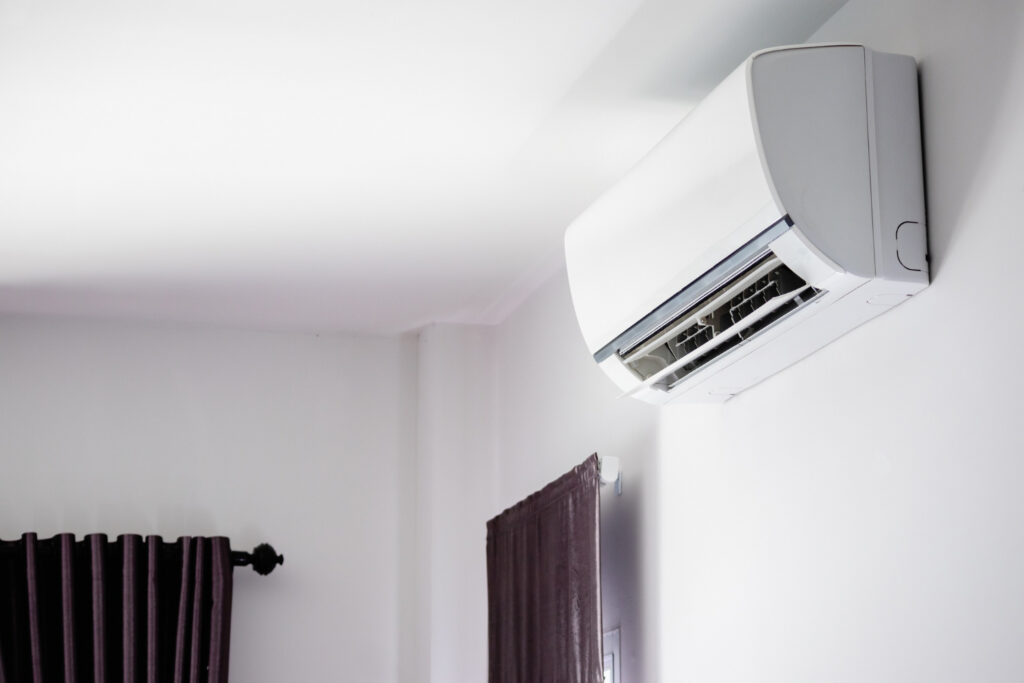
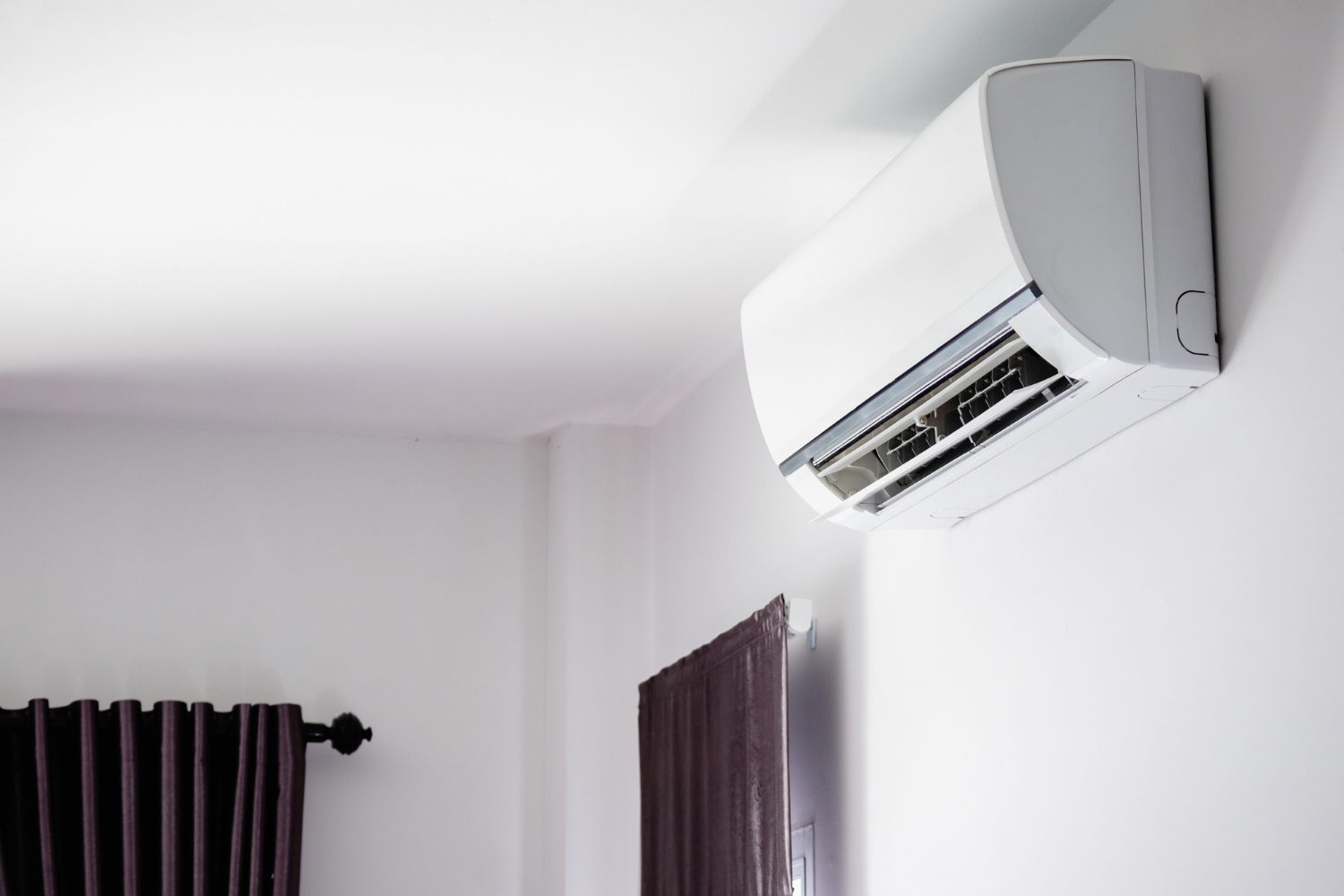
People sometimes worry about how mini-splits will look on the wall or how loud they will be. Modern indoor units are slim and clean-looking, and outdoor units are designed to run quietly. With careful placement, most homeowners stop noticing them and only notice how much better the room feels.
Smart Planning for Mini-Split AC Installation
Good planning is what separates a system you love from one that just feels “OK.” Since we focus on service and retrofit work, we spend a lot of time fitting mini-splits into finished spaces without major disruption.
Common upgrade situations include:
- Replacing noisy window AC units that block light and views
- Cooling a finished basement used as a family room or office
- Adding comfort to a garage workspace or hobby area
- Making a main bedroom or guest suite more comfortable
When we look at a room for mini-split AC installation, we pay close attention to:
- Room size and ceiling height
- Insulation levels in walls, attic, and floor
- Number and size of windows, and how much sun they get
- How the room connects to other spaces in the home
The goal is to choose the right capacity so the system runs long enough to pull moisture from the air without short-cycling. Oversized equipment can lead to uneven temperatures and poor humidity control. Undersized units may run constantly and still struggle on the hottest days.
We also help you decide between a single-zone system for a single problem room or a multi-zone setup to cover several spaces with a single outdoor unit. During a consultation, a technician will also check your electrical panel, assess where refrigerant lines can run, measure outdoor clearances, and discuss options that fit your comfort needs and future plans.
Best Locations for Indoor and Outdoor Units
Mini-splits are flexible, but placement still matters a lot. For indoor units, we usually aim for high on an interior wall so the cool air can spread across the room. We try to keep them:
- Away from ovens, stoves, and other strong heat sources
- Away from doorways that cause constant drafts
- Pointed so air flows across the room, not right at your face
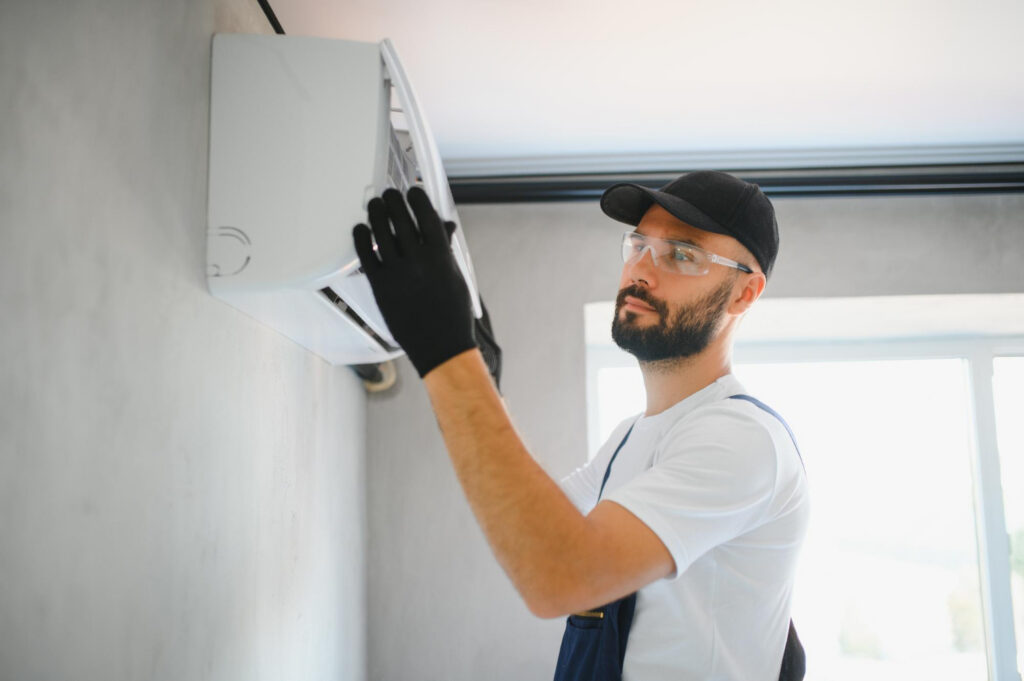
We also think about real-life use. No one wants cold air blowing straight onto a bed or favorite chair. In existing homes, we often work around built-in shelving, artwork, and TV walls so the system is effective without taking over the room. We also leave enough space for the front panel to open for filter cleaning and service.
Outside, Northern Michigan winters shape almost every choice. Outdoor units need to be:
- Raised off the ground on pads or brackets to stay above the snow
- Located away from roof edges where snow and ice can slide off
- Set with space around them for airflow and future maintenance
- Positioned where noise is less of an issue for bedrooms and neighbors
We try to balance performance and appearance. That might mean tucking a unit into a side wall or placing it near existing mechanical equipment, while still maintaining proper clearances. Done well, most outdoor units blend into the background.
Maximizing Efficiency, Comfort, and Lifespan
Once your mini-split is installed, a few habits help you get the most from it. Many systems include smart or programmable controls that let you set schedules and gentle temperature changes instead of constant big swings. It usually works best to:
- Pick a comfortable range and let the system maintain it
- Use zoning to cool only the rooms you are actually using
- Keep doors open between rooms that share one indoor unit
Maintenance is simple but important, especially in a climate with cold winters and plenty of pollen and leaves. Helpful steps include:
- Cleaning or replacing indoor filters as recommended
- Keeping indoor units free of dust and pet hair
- Clearing leaves, grass clippings, and snow from around outdoor units
- Having a professional check refrigerant levels, drains, and electrical parts on a regular basis
Professional installation and ongoing service go a long way toward preventing problems such as refrigerant leaks, noisy operation, or clogged drains. For many homes, mini-splits also work alongside existing systems, such as a furnace, whole-home dehumidifier, or air quality upgrades. When everything is set up to work together, you get a more balanced, efficient comfort system year-round.
Partner with Local Pros Before the Heat Hits
Spring is a smart time to think about mini-split AC installation so your home is ready before that first muggy stretch along the lake or in town. Planning ahead usually means more flexible scheduling and time to think through options, rather than rushing during a heat wave.
As a local, family-owned company in Northern Michigan, we spend our days working in the same climate you live in. We are familiar with older housing styles, lake homes, cottages, and the unique challenges of retrofitting comfort systems into finished spaces. When we visit your home, you can expect a walkthrough of the areas that concern you most, clear explanations of what will work and why, and straightforward recommendations for repairs, replacements, or upgrades that align with how you use your home.
Keep Your Home Comfortable with Expert Mini-Split Installation
If you are ready to upgrade your home’s comfort and efficiency, our team at Quality Plumbing Heating and Air is here to help with professional mini-split AC installation. We will walk you through sizing, placement, and setup so your system runs reliably when you need it most. Reach out today to discuss your project, get straightforward recommendations, or schedule service through our contact us page.