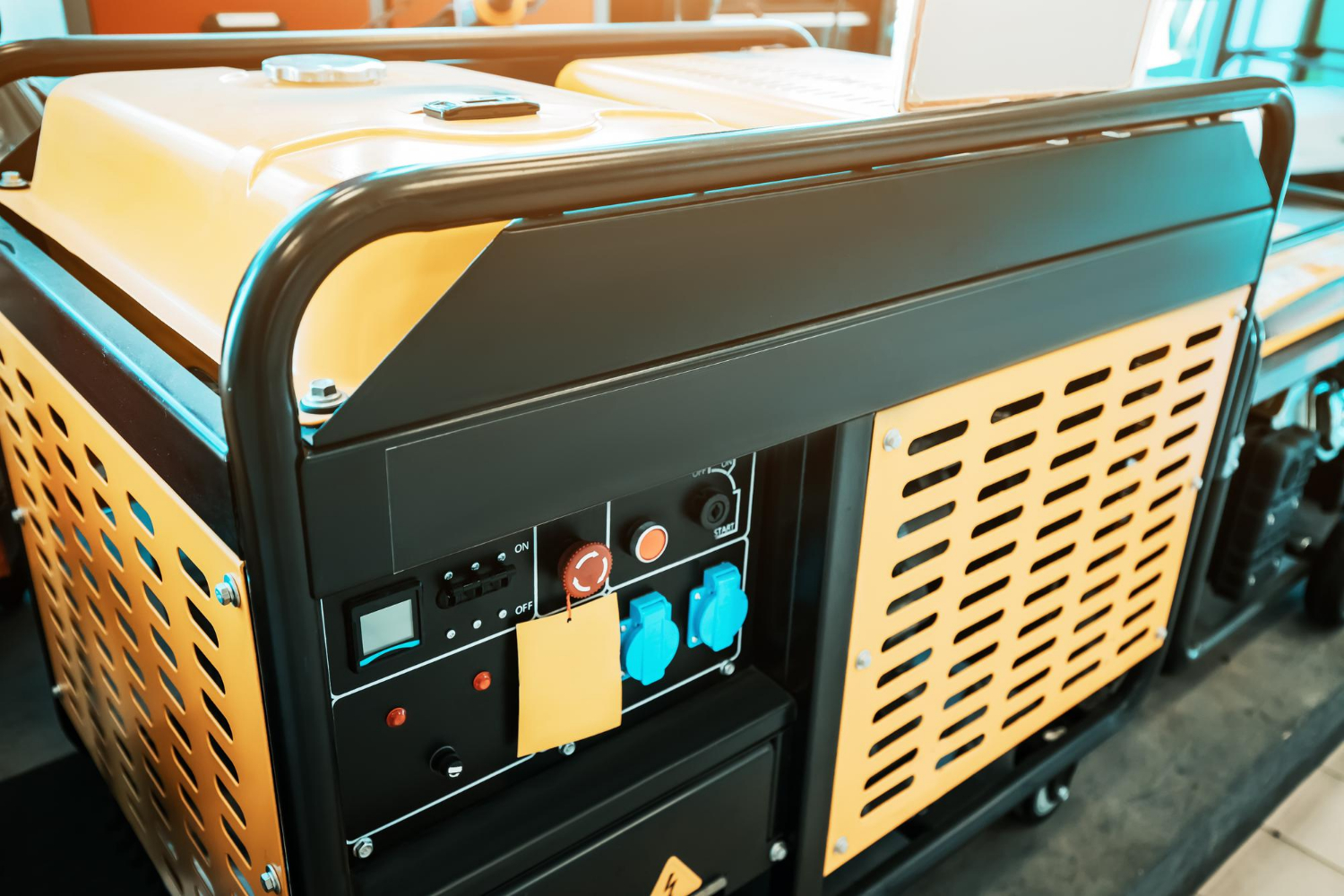
Winter storms in Northern Michigan can hit hard and hang around longer than we’d like. When the power goes out, a home emergency generator can give you peace of mind. It keeps the lights on, the heat running, and daily life just a little more normal, even when the weather outside is anything but. Quality Plumbing Heating and Air installs and maintains whole-home generators for Northern Michigan homeowners, helping provide reliable backup power during these outages.
But what happens when that generator suddenly stops working? Knowing what to do in those first few moments can mean the difference between a minor hiccup and a serious risk. Winter conditions bring their own challenges, so it helps to be prepared before you’re caught in the cold without power.
First Signs Your Generator Might Be Failing
Most generators won’t just fail without trying to warn you first. The signs aren’t always loud, but if you know what to watch for, you can act before things get worse.
Here are a few early warnings to take seriously:
- Strange noises you haven’t heard before
- Trouble starting up, especially in cold weather
- Lights blinking or codes showing up on the display panel
- Power kicking on and off instead of running steadily
Cold temperatures can make everyday problems appear more quickly. Batteries can slow down, oil can thicken, and fuel lines can clog. If your generator hasn’t had a checkup in a while, it could be less ready than you think. Spotting these signs early gives you a chance to react before the whole system shuts down.
What to Do Immediately When the Generator Stops
If your generator gives out during a storm, it’s easy to panic. But take a breath and focus on safety first. The kind of breakdown you’re facing might not be obvious right away, so a quick check can help narrow things down.
Look out for anything that might signal danger:
- Smell of gas or fuel
- Smoke, sparks, or visible scorch marks
- Loud clicking or popping noises
- Tripped breakers or blown fuses
If none of these are present, check a few basic areas. See if the battery is still connected. Look at the fuel level and oil gauge. Has anything frozen or been blocked by snow or ice? Winter weather can do strange things to outdoor equipment, and sometimes a frozen pipe or clogged vent is all it takes to shut down the system.
What you should avoid is trying to open up or fix the generator on your own. It might be tempting, especially when the house is cold. But internal systems can be risky without training, and the last thing you want is to make a rough situation worse.
Keeping Your Home Warm Until Help Arrives
If your generator is down and you’ve lost power, it’s essential to stay warm and safe. Cold weather can turn uncomfortable quickly, so a few small steps can make a big difference.
Try these safe ways to hold onto warmth:
- Wear layered clothing, including socks and hats
- Block drafts with rolled towels or heavy curtains
- Close off unused rooms to keep the heat focused in one area
- Gather everyone into one shared space to conserve body heat
- Use battery-powered lights to avoid open flames
What you don’t want to do is bring outdoor or fuel-burning gear inside to create heat. That means no grills, no camping stoves, and no homemade fire pits in the garage. Items like these can release carbon monoxide or create a fire hazard. It’s not worth the risk, especially in homes with kids or pets.
Preventing Future Generator Trouble
Once your power is back and the storm has passed, take a little time to think about what could help next time. If your generator struggled or failed, that’s often a sign that something was due for a checkup long before the weather got bad. During a maintenance visit, our certified technicians can assess your home’s power needs and confirm that your generator is sized correctly and set up for reliable operation.
There are a few simple habits that go a long way:
- Schedule a routine generator inspection before winter arrives
- Test the generator every few weeks when temperatures begin to drop
- Make sure the battery is in good condition and fully charged
- Store fuel dry and sealed, and keep the generator area free from snow
- Clear leaves and ice from vents and around the exhaust
An emergency generator for home use has to be ready at a moment’s notice, so consistent care helps it stay dependable. No one can control the weather, but we can control how prepared we are for it.
Plan to Stay Powered and Safe
When a storm takes out the power, having a generator can be a real lifeline. Many whole-home generators we install include a 5-year warranty, providing long-term peace of mind during outages that last longer than expected. But when that backup power fails too, things get serious fast. That’s why being ready, both in terms of tools and knowledge, goes a long way toward keeping your home safe and warm.
Winter in Northern Michigan doesn’t pull punches, and planning makes all the difference. Small check-ins, safe choices, and knowing when to call for help can keep a challenging situation from turning into an emergency. And when the next storm hits, you’ll be a little more ready than the last time.
Northern Michigan winters can be harsh, so having a dependable backup power solution is more critical than ever. We help homeowners stay prepared with services designed to keep their home emergency generator in peak condition when they need it most. At Quality Plumbing Heating and Air, we know reliable power matters during every cold snap. Contact us today to schedule a service and get ahead of the next winter storm.