Turn Winter Panic Into a Plumbing Plan
Frozen pipes and surprise leaks hit at the worst times, often late at night when the wind is howling, and the roads are slick. In Northern Michigan, many homes deal with deep cold, older plumbing, and hard-to-reach crawl spaces. A small problem can turn into soaked floors and ruined belongings fast if you are not ready.
We want to help you turn that stress into a simple plan. This guide is about service and repair readiness for homes that are already built, not new construction. We will walk through a DIY emergency plumbing readiness kit, what to keep on hand, how to protect pipes from freezing, how leak sensors fit in, and when it is time to stop DIY and call an emergency plumber right away.
Know Your Home’s Plumbing Shutoffs Before Trouble Hits
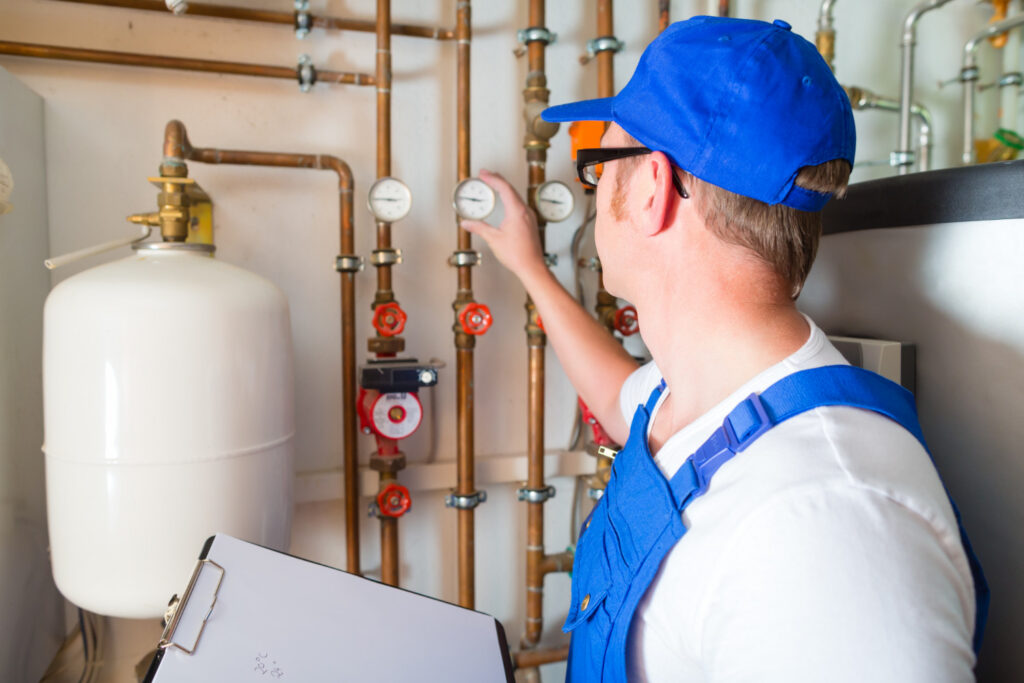
The most powerful plumbing tool in your home is not a wrench; it is your main water shutoff valve. In many Northern Michigan homes, you can typically find it near where the water line comes through the basement wall, in a crawl space close to the front or street side of the home, or in a utility room near the water heater or pressure tank.
Every adult in the house should know where this valve is and how to turn it. Turn it gently clockwise until it stops. If it is a lever-style valve, it should be in line with the pipe when open and across the pipe when closed. Practice turning it partway so you know it works before you ever see a leak.
Individual fixtures also have their own shutoffs, usually small valves on the supply lines. Toilets are usually behind or under the tank near the wall; sinks are typically inside the cabinet on the hot and cold lines; the water heater shutoff is usually on the cold-water line going into the unit; and washing machine shutoffs are commonly on the wall box behind the machine.
Twist these valves on and off once in a while to keep them from seizing. If a valve is stuck, corroded, or starts to drip when you move it, that is a sign that a professional should replace it before an emergency.
A simple “label and learn” plan helps a lot:
- Label the main shutoff and key fixture valves with tags or tape
- Keep a small flashlight or headlamp near the main valve
- Write down clear shutoff instructions and keep them in a kitchen drawer
- Show renters, family, or guests where the main valve is and how to close it
Build Your DIY Emergency Plumbing Readiness Kit
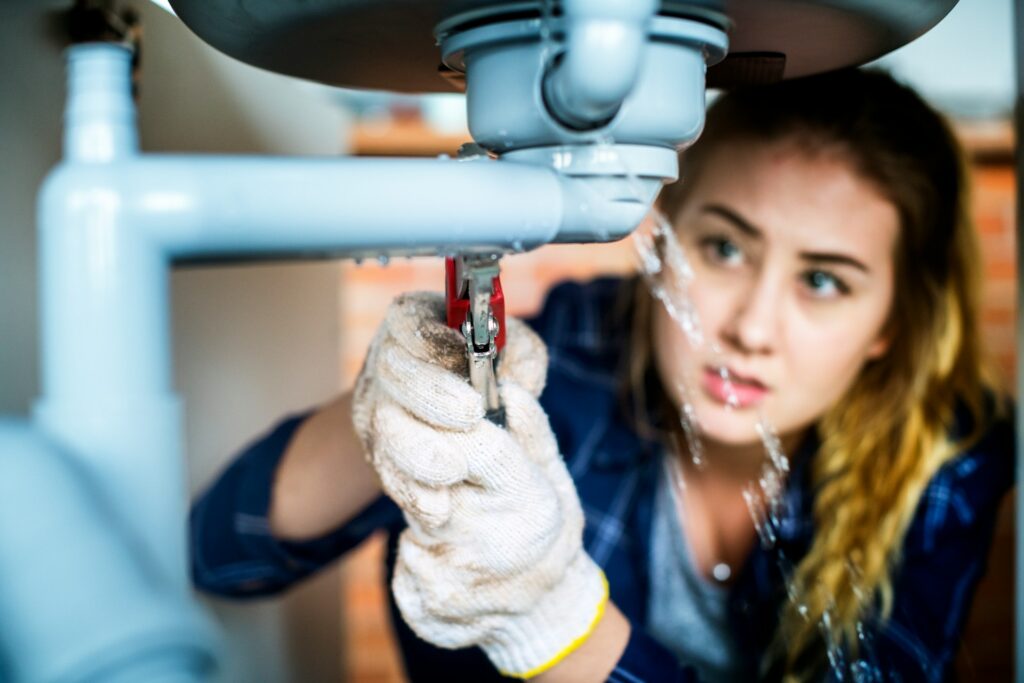
You do not need a full workshop to handle basic plumbing surprises. A small, organized kit can buy you time and prevent damage until a pro arrives. Here are helpful items to keep together:
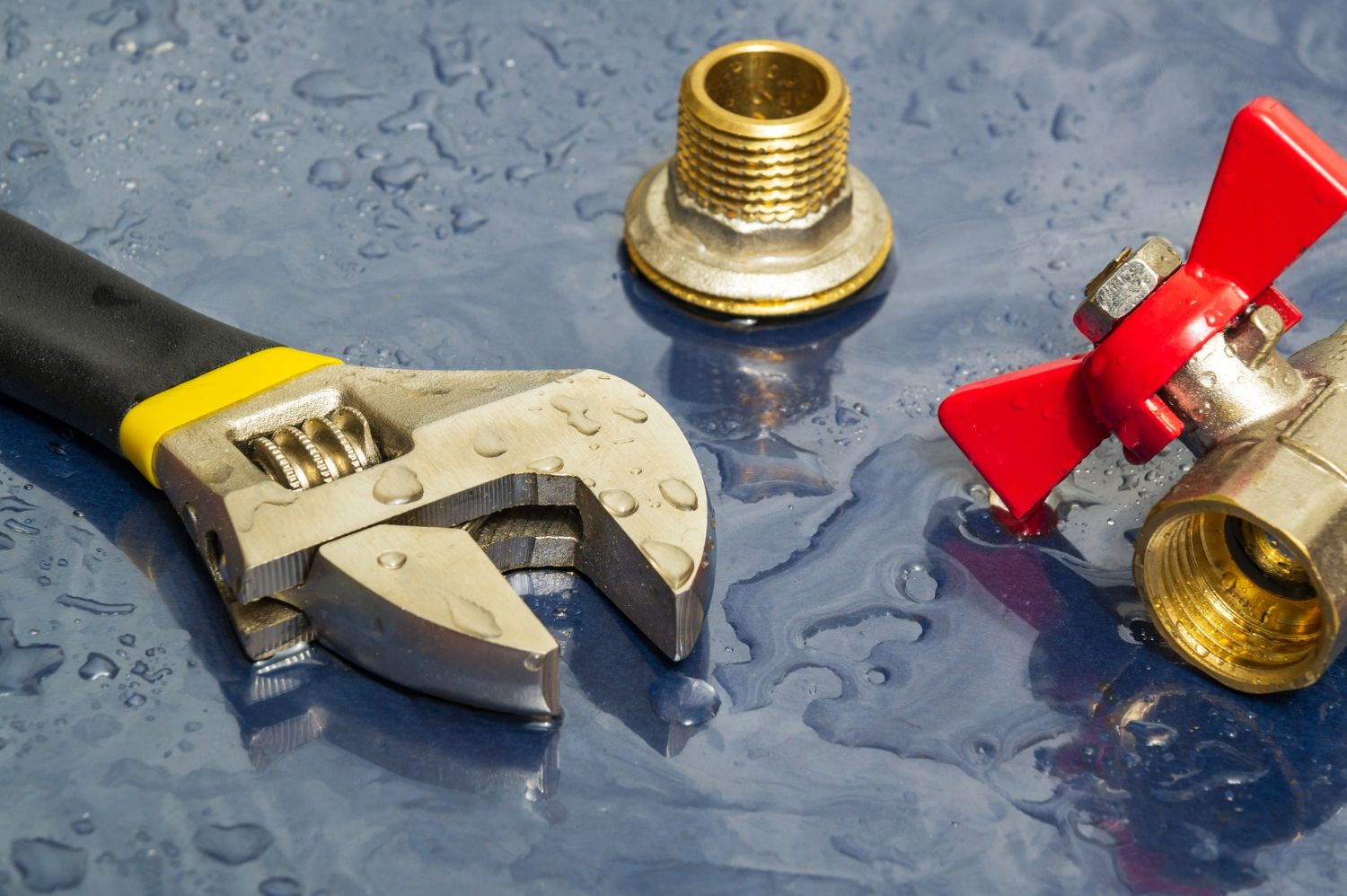
- Adjustable wrench and channel-lock pliers
- Teflon tape for minor threaded leaks
- Heavy-duty towels or rags and a couple of buckets
- A basic pipe repair clamp or rubber patch and hose clamp
- A wet/dry vacuum if you have one
For Northern Michigan winters, it is smart to add a few cold-weather items too:
- Foam pipe insulation for exposed pipes
- Heat tape designed for plumbing, used only as directed by the manufacturer
- A safe, indoor-rated space heater for thawing small areas, never left unattended
- Simple weatherstripping or foam panels for drafty crawl space openings
Store everything in a waterproof bin with a tight lid and a clear label, such as “Plumbing Emergency Kit.” Keep it somewhere easy to reach, not buried behind holiday boxes. Tuck in a printed card with the name of your preferred emergency plumber, so you don’t have to search your phone with wet hands.
Protect Pipes from Northern Michigan Deep Freeze
Some pipes are more likely to freeze than others. In service calls, we often see trouble in unheated basements or Michigan-style basements, crawl spaces with open vents or gaps, pipes in exterior walls (especially on the north side), garages with water lines running to spigots or utility sinks, and kitchen or bathroom sinks on exterior walls where cabinets stay closed.
Foam pipe insulation is a simple way to add a little protection. Cut it to length, snap it over the pipe, and tape the seams if needed. Make sure joints and elbows are covered. For problem areas that often freeze, heat tape or heated cable, installed correctly and safely, can provide more protection, especially in older homes or cottages that sit empty in cold weather. Follow all directions, keep cords in good condition, and avoid covering heat tape with anything that is not approved for use over it.
Helpful habits can make a big difference during extreme cold:
- Open cabinet doors under sinks on exterior walls so warm air can reach the pipes
- Let a trickle of water run from faucets during deep cold snaps, especially at night
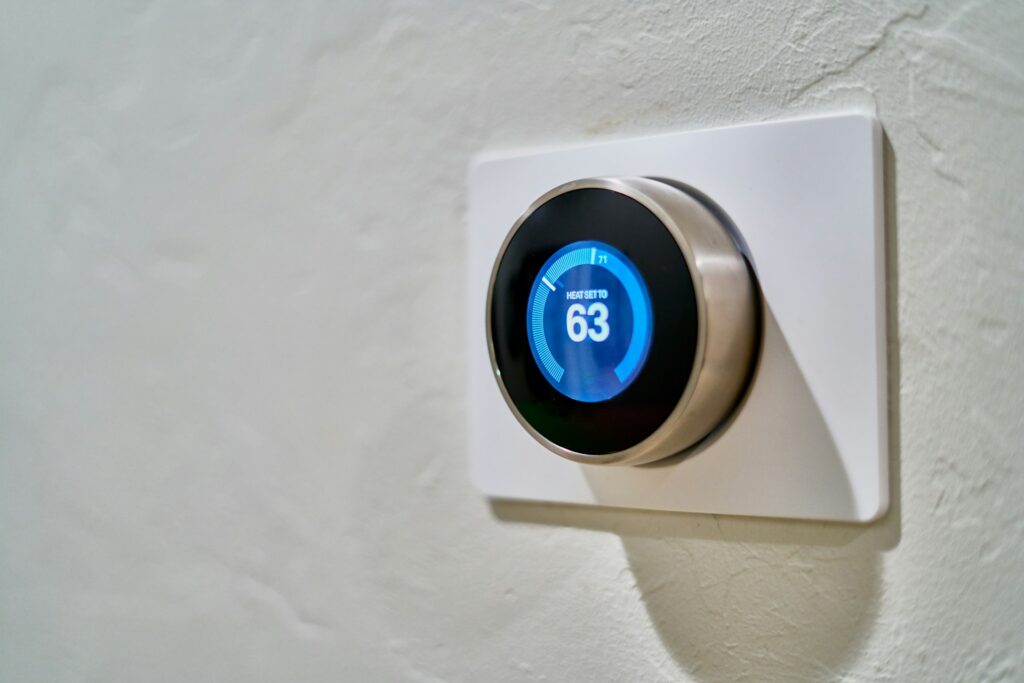
- Keep your thermostat at a steady temperature, even when you are away
- Do not shut off the heat completely in unused areas that have plumbing
If a pipe does freeze, avoid open flames or torches. That is a clear time to bring in a professional so you do not risk fire or sudden bursts when the ice loosens.
Smart Leak Sensors and When to Call an Emergency Plumber
Water leak sensors are small devices that trigger an alarm or send an alert when they come into contact with water. Many are battery-powered and simple to place. More advanced systems can even work with a smart main shutoff to automatically stop the flow.
Good spots to put basic sensors include:
- Under kitchen and bathroom sinks
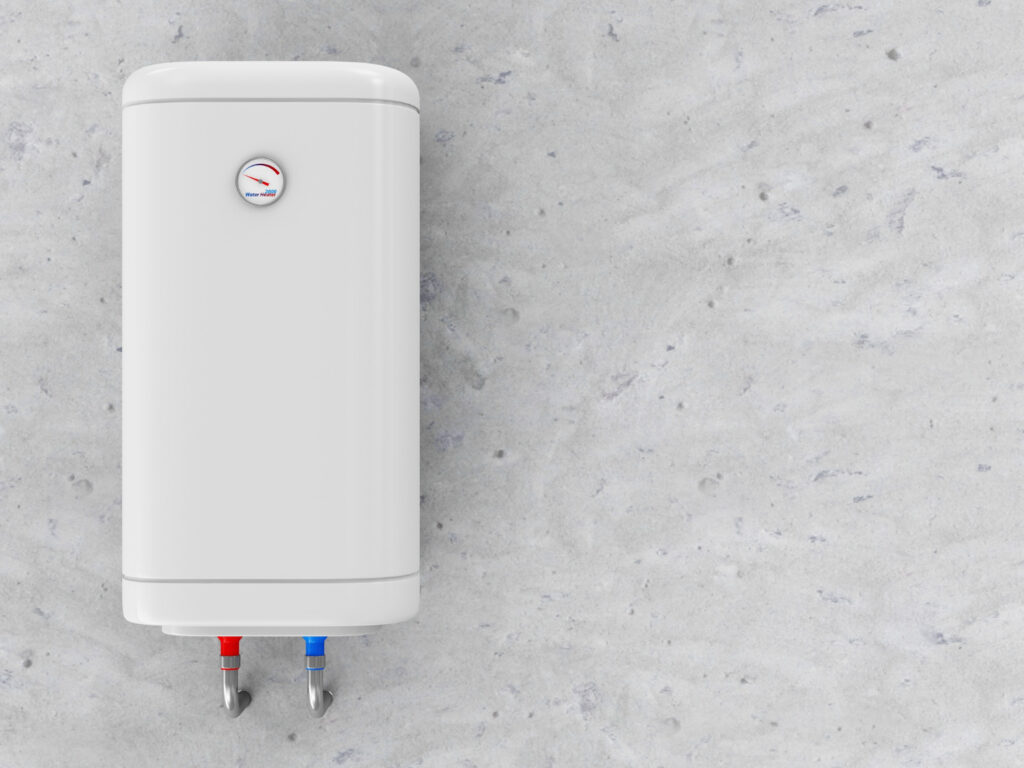
- Near the water heater
- Next to the washing machine
- By the sump pump or well pressure tank
- In low spots of a basement that collect water first
These little devices can catch small leaks early, before they soak into flooring or creep into walls.
Still, there is a clear line between when DIY needs to stop, and when an emergency plumber should step in. Call a pro right away if you see:
- A burst pipe with water spraying or pouring out
- Rising water you cannot contain with towels and buckets
- Sewage backing up into tubs, showers, or floor drains
- No water at all in winter, which can mean a frozen main line
- Any leak near electrical panels, outlets, or equipment
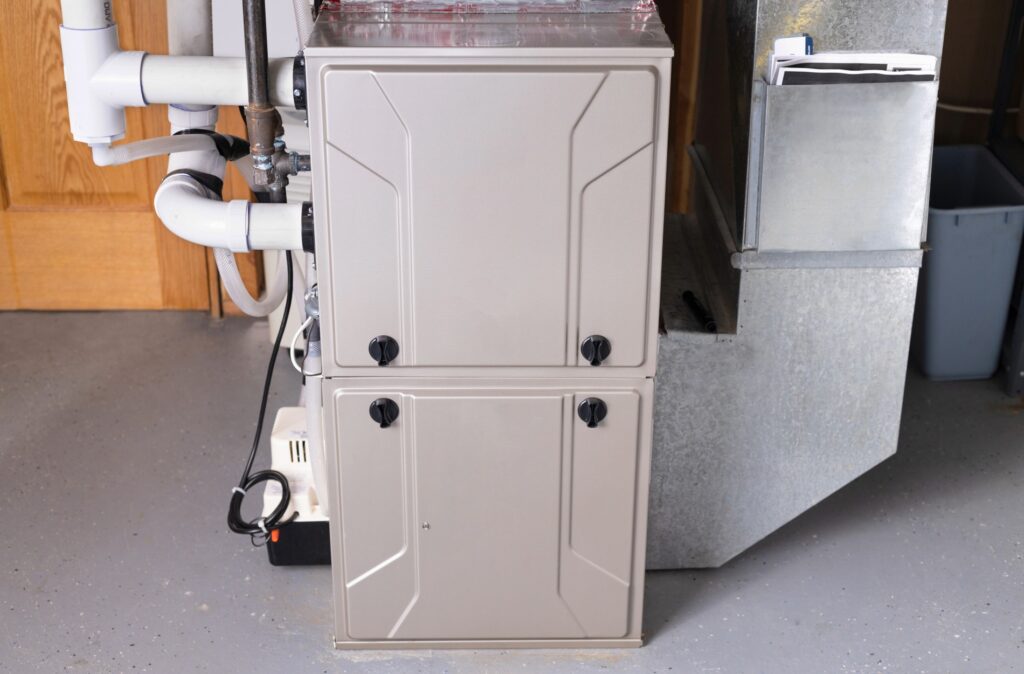
A local Northern Michigan plumbing expert understands well systems, frozen lines, boiler and furnace loops, and whole-home plumbing problems that go beyond a quick patch. Getting professional help quickly can prevent far bigger damage and more repairs later.
Turn Today’s Checklist Into Tomorrow’s Peace of Mind
Creating an emergency plumbing readiness plan does not have to be hard. Start with a simple checklist:
- Locate and label your main and fixture shutoff valves
- Build and store your DIY emergency plumbing kit
- Insulate vulnerable pipes and address drafty areas
- Place a few leak sensors in high-risk spots
- Save your emergency plumber’s number in your phone and on the fridge
Treat this as a yearly winter habit. Take a little time to look over your plumbing, refresh your kit, and talk through the plan with everyone in the home. When you pair that preparation with responsive local service from a team like Quality Plumbing Heating and Air, you can face Northern Michigan’s cold season with more confidence and a lot less panic.
Get Started with Your Project Today
If you are dealing with an urgent plumbing issue, we are ready to respond quickly and get your system back up and running. Explore how our emergency plumber services can protect your home or business from costly damage. At Quality Plumbing Heating and Air, we focus on dependable solutions and clear communication so you know what to expect at every step. If you need fast help or want to schedule service, simply contact us today.