Michigan winters push heating systems to their limit as temperatures drop into the single digits and strong winds pick up. Homes using heat pumps as their primary heating source become more vulnerable to unexpected breakdowns when the cold creeps in and there is no backup available. We have served Gaylord, Michigan, and Northern Michigan since 1997, so we understand how demanding local winters can be on these systems.
Understanding how heat pumps respond to cold weather and knowing the warning signs can help homeowners avoid stressful situations. This guide covers how to spot emergencies, why these systems break down, and what to do when repairs become urgent.
Signs Your Heat Pump Needs Immediate Attention
When a heat pump underperforms in freezing weather, it may be a sign of trouble. Look for these warning signals:
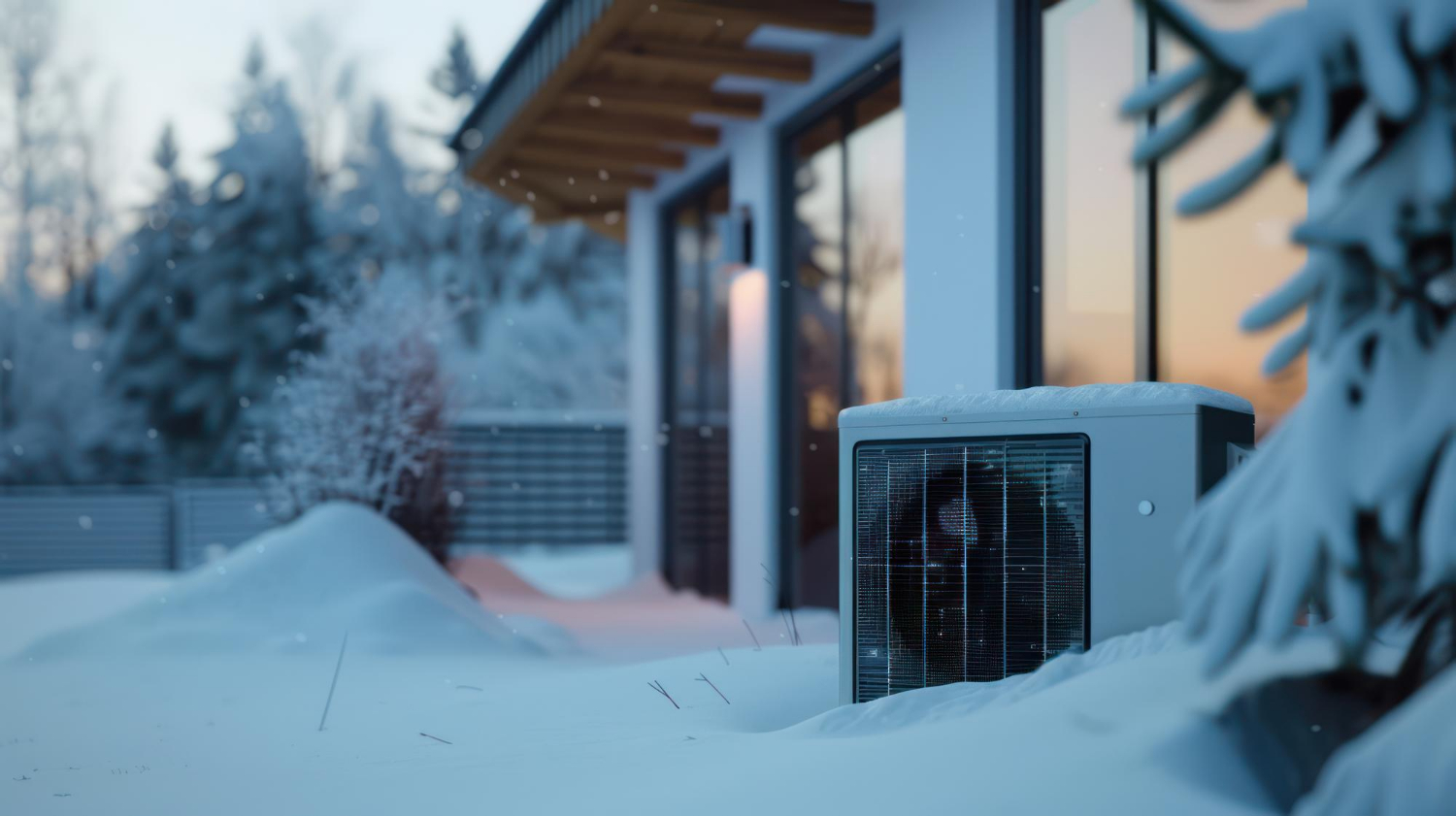
- Ice or heavy frost covering the outdoor unit
- Cold air blowing out when the system is set to heat
- The unit cycles without warming the space
- Complete system shutdown with no power
Other signs include unusual sounds or smells, such as buzzing indicating electrical issues or burning odors suggesting overheating components. Acting quickly in the cold is essential to prevent full system failure, frozen pipes, or unsafe conditions.
What Causes Emergency Breakdowns in Winter
Winter strains a heat pump as its components work harder, increasing the risk of wear and tear. Common causes of breakdowns include frozen coils, blocked airflow by snow, strain on older equipment, and electrical issues from heavy use. Snow buildup around an outdoor unit impairs airflow and may damage coils, potentially shutting down the system. Older units already needing maintenance are more vulnerable during prolonged cold spells. Electrical components such as wiring, relays, and sensors can also degrade due to constant cycling at extreme temperatures.
How Professionals Handle Heat Pump Repairs in Winter
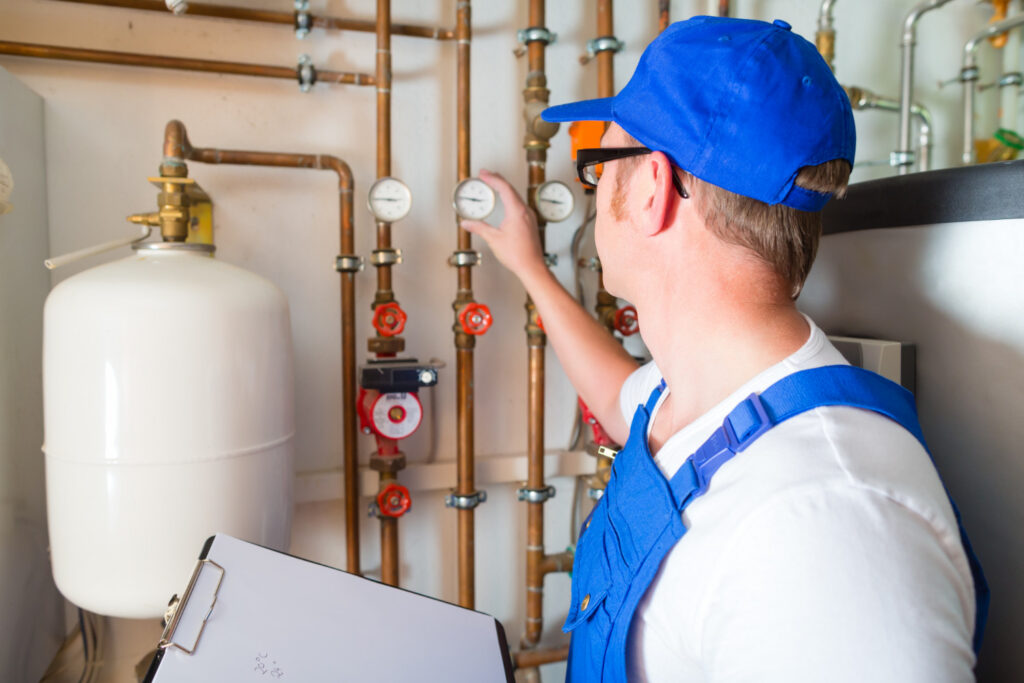
During a cold snap, our technicians first determine whether the problem lies with the thermostat, the outdoor unit, or another component. A complete system check ensures safety under extreme conditions. Many Northern Michigan homes rely on our technicians who regularly service furnaces, heat pumps, mini-splits, and boilers.
A typical service visit includes visual checks for ice, standing water, or blockages; testing the defrost cycle; inspecting for electrical issues; and confirming that any backup heating system is functional. Winter repairs require extra care to avoid damage from overworking or short cycling. Quick fixes may restore function temporarily, but a thorough inspection often uncovers underlying issues. Understanding local conditions is key to accurately diagnosing problems.
Steps You Can Take While Waiting for Help
When the heat pump fails, and indoor temperatures drop, every minute counts. Although professional repair is essential, you can take a few safe steps: gently clear snow or ice from around the outdoor unit without damaging it; keep vents unobstructed by furniture or curtains; avoid repeatedly turning the system off; and use portable heaters only in safe areas, away from flammable objects.
Attempting self-repair may worsen the situation. Avoid tampering with wiring or forcing the unit on; instead, consolidate heat in one room or layer up until help arrives.
Preparing for Future Winter Reliability
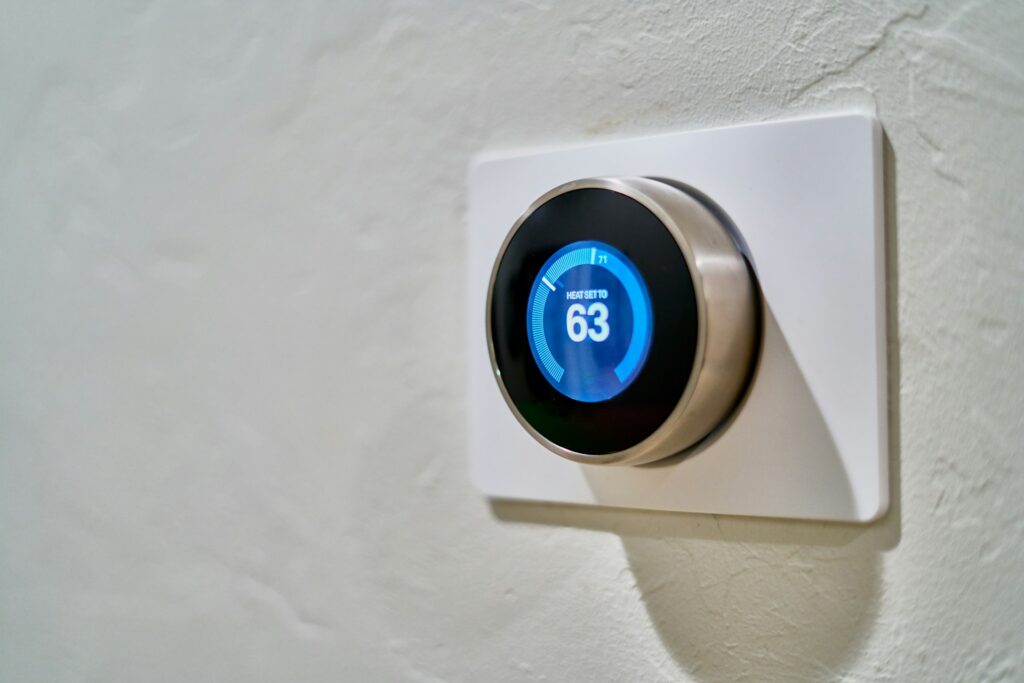
Planning can help avoid emergencies. Have your unit checked before the cold sets in, ideally in late fall or early winter. To ensure smooth operation, schedule annual checkups that include cleaning and diagnostics, upgrade to smart thermostats, keep the area around the outdoor unit clear of obstructions, and consider parts upgrades to improve defrost performance.
Minor adjustments now may prevent major issues later, keeping you comfortable rather than having to react to sudden breakdowns.
Stay Ready for Cold Weather Heat Pump Challenges
Every Michigan winter reminds us how harsh the cold can be on home heating systems. Emergency heat pump repairs are becoming more common as units work overtime to combat the chill, making early recognition of warning signs essential to prevent a deep freeze indoors.
By watching for changes in system performance, acting quickly when troubles appear, and maintaining your unit regularly, you are better prepared to stay safe and warm. With certified technicians experienced in servicing heating and cooling issues across Northern Michigan, timely repairs can shorten downtime and prevent further damage.
At Quality Plumbing Heating and Air, we know how stressful a cold snap can be. Learn more about our approach to heat pump repair and discover ways to prepare before the next chill arrives. Call us today to schedule a service or get fast assistance.