
Waking up to no hot water in winter can throw your whole morning off. When the air is cold and the house feels chilly, a hot shower is not a “nice to have.” It feels like part of getting through the day.
When this happens, think of it as a sign your system needs a careful check, not a problem to push through. A professional water heater repair visit helps pinpoint what failed, what looks risky, and what might be close to failing next. We have provided customized comfort solutions in Gaylord and Northern Michigan since 1997. Below, we walk through how this usually shows up, what to watch for right away, what a trained tech checks during a service visit, and how to lower the odds of another surprise shutdown later in winter.
What “No Hot Water In Winter” Usually Means
“No hot water” can mean a few different things, and the details matter. Some homes get warm water that cools quickly. Others never get any heat. Some people notice the water warms up for a minute, then turns cold, then warms again.
Here are common ways this problem shows up in real life:
- The shower starts hot, then turns lukewarm within a few minutes.
- Hot water only works at one sink, not across the house.
- The water never gets warm, no matter how long you run it.
- Hot water comes and goes during the same day.
Winter makes all of this feel worse. Incoming water is colder, so the heater must work harder to reach the desired temperature. Many homes use more hot water, too. Longer showers, extra laundry, more handwashing, and more time spent indoors all add up.
Cold weather exposes hidden problems. Parts that were “hanging on” may stop working once the heater runs longer cycles. Mineral buildup and sediment can cause trouble over time, and it often becomes more noticeable when demand rises.
Safety First when Hot Water Stops
When hot water stops, safety comes before comfort. Water heaters involve heat, pressure, and either electricity or fuel. When anything is off, slow down and pay attention to what you see and smell.
If you notice any of the signs below, stop and call for help right away:
- A gas smell near the unit.
- Water is pooling on the floor or dripping from the tank.
- A burning smell, scorch marks, or melted wiring.
- Loud popping, hissing, or banging sounds.
- Visible rust damage or a section that looks warped.
Water plus electricity is dangerous. Water plus gas equipment can be hazardous, too. If something seems wrong, trying to “get it working again” can create a bigger risk. Keep the area clear, keep kids and pets away from the unit, and watch for water spreading toward outlets or stored items.
In the meantime, plan your next hour without pushing the system. That can mean spacing out water use and saving hot water needs for after the heater is checked, instead of running multiple fixtures and hoping it fixes itself.
What a Pro Checks During a Water Heater Service Visit
A good service visit starts with the basics and proceeds step by step. The goal is to confirm what the heater is receiving, what it is trying to do, and where the process breaks down.
Most checks start with items like these:
- Confirm the unit has the right power or fuel supply, and nothing is tripped or shut off.
- Verify thermostat settings and make sure controls respond the way they should.
- Look for visible leaks, corrosion, or loose connections.
- Listen for unusual operational sounds that indicate sediment or a failing part.
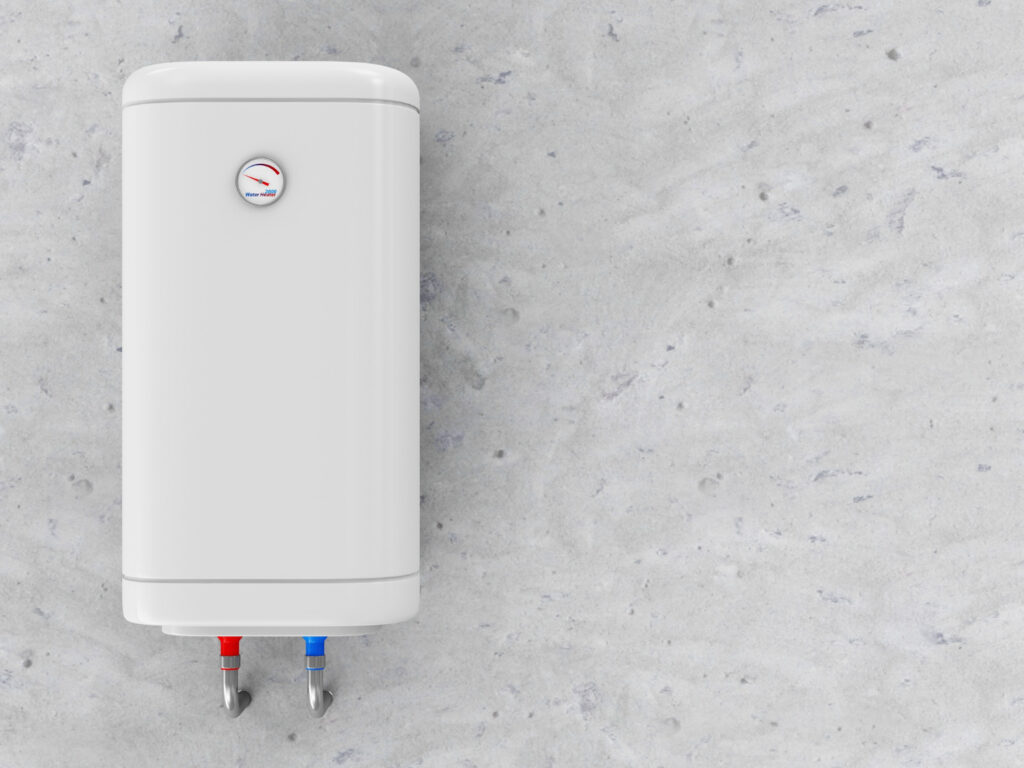
After that, the focus turns to the parts that do the real work. Electric units can lose hot water when a heating element or a temperature sensor fails. Gas units can lose heat when ignition, pilot, or safety shutoff components are not functioning correctly. A tech checks these parts in a safe, controlled manner, then confirms what is actually happening during a heating cycle.
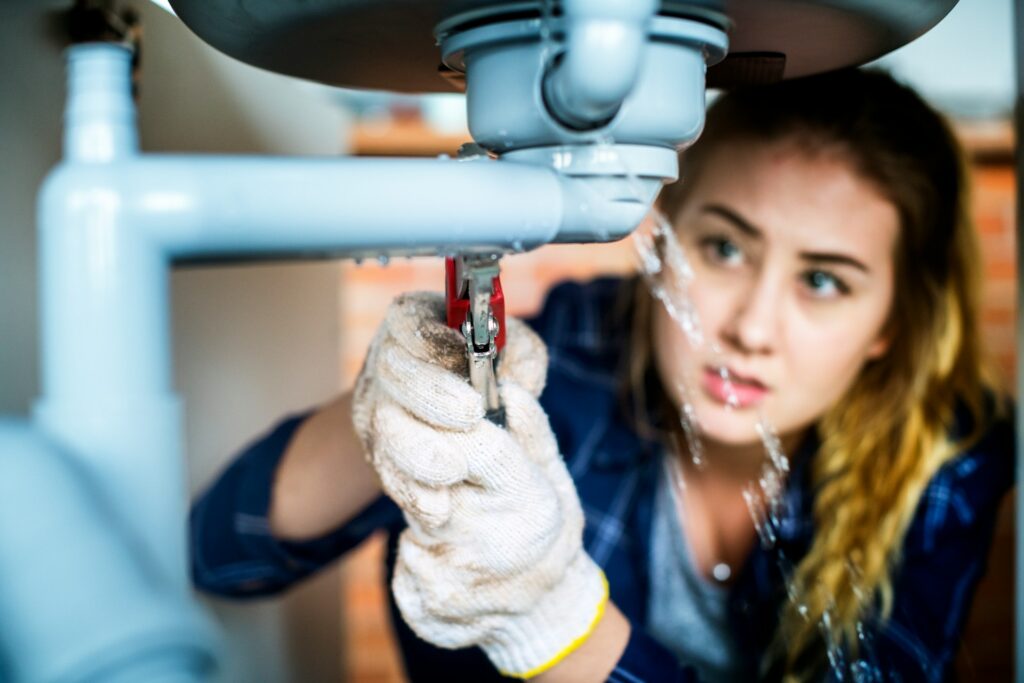
Water conditions matter too. Many homes deal with hard water or mineral buildup, and sediment can settle at the bottom of a tank. We offer water testing that checks water quality, including hardness, iron levels, and particulates, which can explain buildup and performance issues. When the buildup worsens, the heater may heat less evenly, run longer, or shut down on safety. Cold incoming water can add another layer of strain in places like Gaylord, Michigan, during January. A water heater repair assessment helps sort out whether you are dealing with a single failed part, a maintenance issue, or signs that the tank itself is wearing out. Our plumbing repairs include water heater repair and installation, leaky pipe repair and replacement, and water line repair and replacement.
Why “Winter No Hot Water” Can Come with Leaks and Pressure Problems
No hot water and leaks can appear together. Sometimes the leak causes the heater to shut down. Other times, it is a separate problem that becomes easier to spot when you inspect the water heater.
A leak is not always dramatic. It can start small and still cause damage if it continues. You might notice a slow drip from a fitting, water marks on the floor, or damp areas around the base of the tank.
When people search for “water heater leaking,” they are often trying to figure out what that leak means. It may be a loose connection, a failing valve, or corrosion starting in the tank. The tricky part is that the location matters. Water running down from above can look like a tank leak even when the source is higher up.
Winter stresses systems through temperature swings. Cold water enters, heats, and expands. Pipes and fittings can flex and settle. If a valve or connection is weak, pressure changes make problems show up faster. It is not unusual to notice other plumbing issues around the same time, such as noisy pipes, slow drains, or a pipe that starts dripping when the heater cycles more often.
If you see signs of a leak, act quickly. Water damage spreads quickly, and wet areas near electrical components pose a real hazard. A fast professional check can keep a minor issue from turning into a bigger cleanup.
How to Lower the Chances of “No Hot Water” Next January
Winter breakdowns feel extra frustrating since the timing is never good. The best way to avoid a “no hot water” morning is to catch minor problems before the coldest stretch of the year.
A simple plan usually works better than trying to remember a dozen tasks. Here are habits that tend to help:
- Schedule a water heater check before deep winter demand hits, not after the first cold snap.
- Please pay attention to early warning signs like odd noises, rusty-looking water, or hot water that runs out faster than it used to.
- Spread out heavy, hot water use when you can, so the system isn’t slammed all at once on busy mornings.
- Treat any leak, even a small drip, as a reason to get it looked at soon.
There is another part of this conversation that matters, repeat trouble. If hot water problems keep recurring, or you have several repairs close together, it may be time to discuss whether the unit is nearing the end of its life. Ongoing leaks fall in that category. A tank that is breaking down from the inside usually does not improve over time.
Get Back to Hot Showers without Guesswork
No hot water in winter usually has a clear cause, yet it is rarely obvious from the outside. The best path is to note how the problem shows up, watch for safety red flags, and avoid pushing the system when something seems off.
When a trained tech checks power or fuel, controls, heating parts, and water conditions, it takes the guesswork out of the situation. That kind of thorough check can restore hot water more quickly and help reduce the risk of another sudden shutdown later in the season.
Dealing with no hot water during the cold season can be stressful, and getting clear answers brings real peace of mind. We know winter conditions can push systems harder than expected, and a professional inspection often clarifies the issue quickly. Our page on water heater repair outlines the types of problems that commonly cause hot water to drop out at the worst time. At Quality Plumbing Heating and Air, we focus on thorough inspections that prioritize safety and reliability, so contact us when you are ready to have the problem checked and get back to your daily routine with less worry.