I’m JD Osman, owner of Quality Comfort Pros, with more than 20 years of home-services experience across Northern Michigan. In this guide to HVAC repair Boyne Falls homeowners can use, I’ll walk through what you can safely check before scheduling service. I’ll also explain what needs a technician and when repair may make more sense than replacement.
HVAC Repair Boyne Falls Homeowners Can Count On
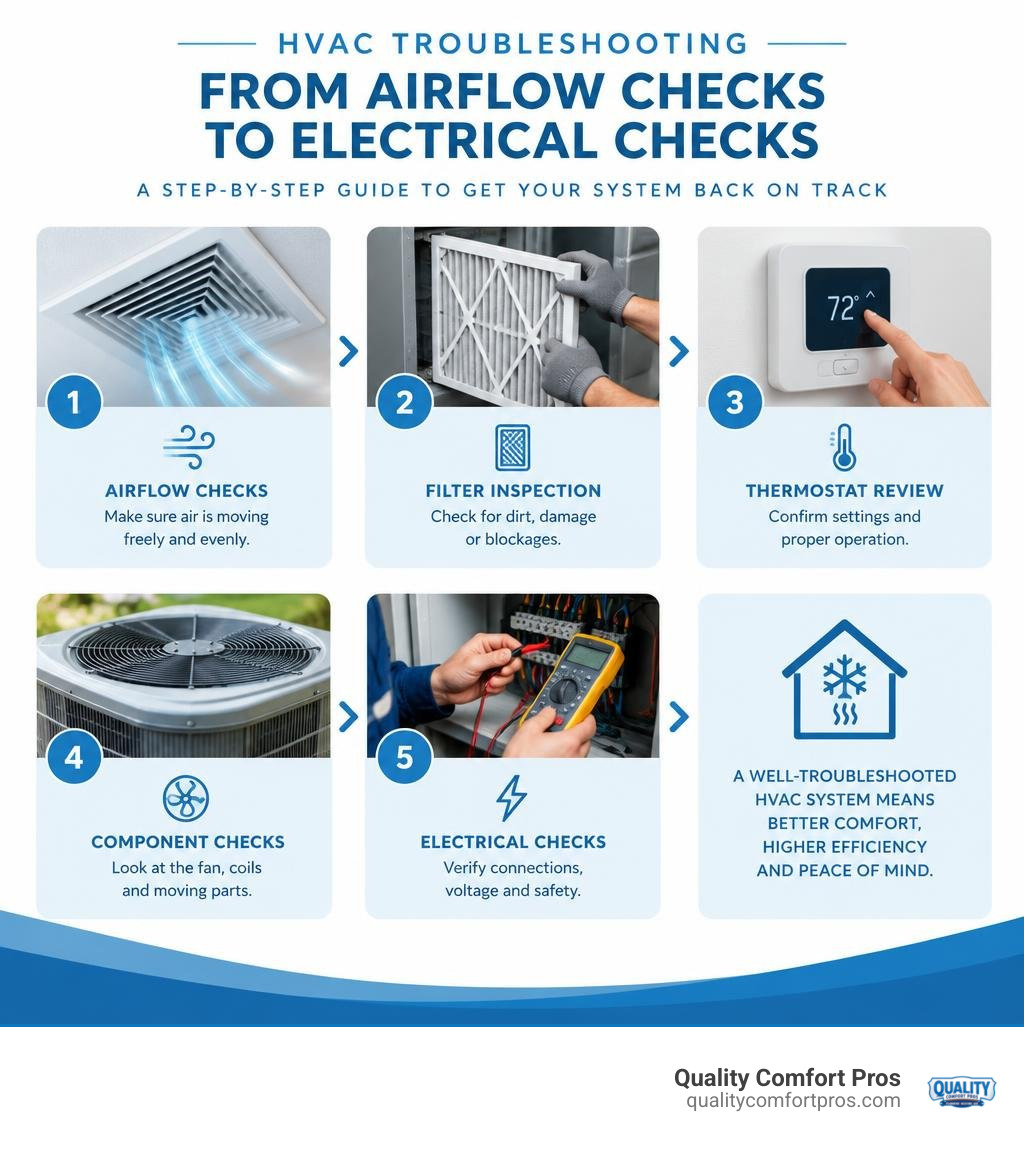
For HVAC repair Boyne Falls homeowners can begin with a few safe checks before scheduling service. Verify the thermostat setting, install a clean filter if needed, check the breaker, and confirm that supply and return vents are open. Loose snow, leaves, and debris can be cleared from around outdoor equipment and vent terminations, but panels and wiring should not be touched. If heating or cooling does not return, switch the system off at the thermostat and arrange a diagnostic visit with a licensed local contractor.
Northern Michigan weather puts residential heating and cooling systems through intense cycles. Long cold spells and lake-effect snow can pile up near outdoor equipment and intake or exhaust terminations, reducing the clear airflow a system needs to operate safely. Summer heat and humidity create a different strain by making cooling equipment run longer while removing moisture indoors. These seasonal shifts place substantial mechanical stress on equipment throughout the year.
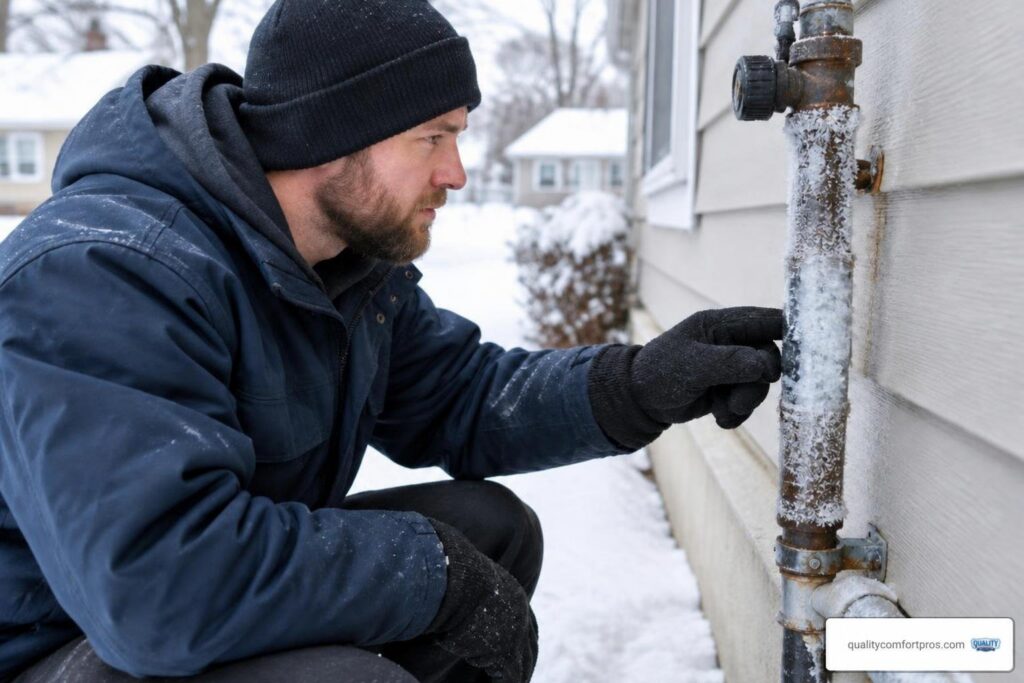
When equipment runs continuously through a January cold snap, minor mechanical friction can develop into component failure. Snow and ice may also accumulate around exterior pipes or vents, so homeowners should clear only accessible surface buildup and never force tools into an opening. Our technician checks combustion venting, safety controls, electrical connections, and internal components during a no-heat visit. Understanding how the local climate affects your equipment helps you notice warning signs before they lead to an emergency shutdown.
Winter Heating Strain and Furnace Repair
Sub-zero winter temperatures force heating systems to run extended heating cycles. Furnaces operating under this level of continuous demand frequently encounter issues such as short-cycling, where the furnace turns on and off rapidly without reaching the set temperature. This is often caused by overheating due to restricted airflow, clogged filtration media, or failing high-limit switches.
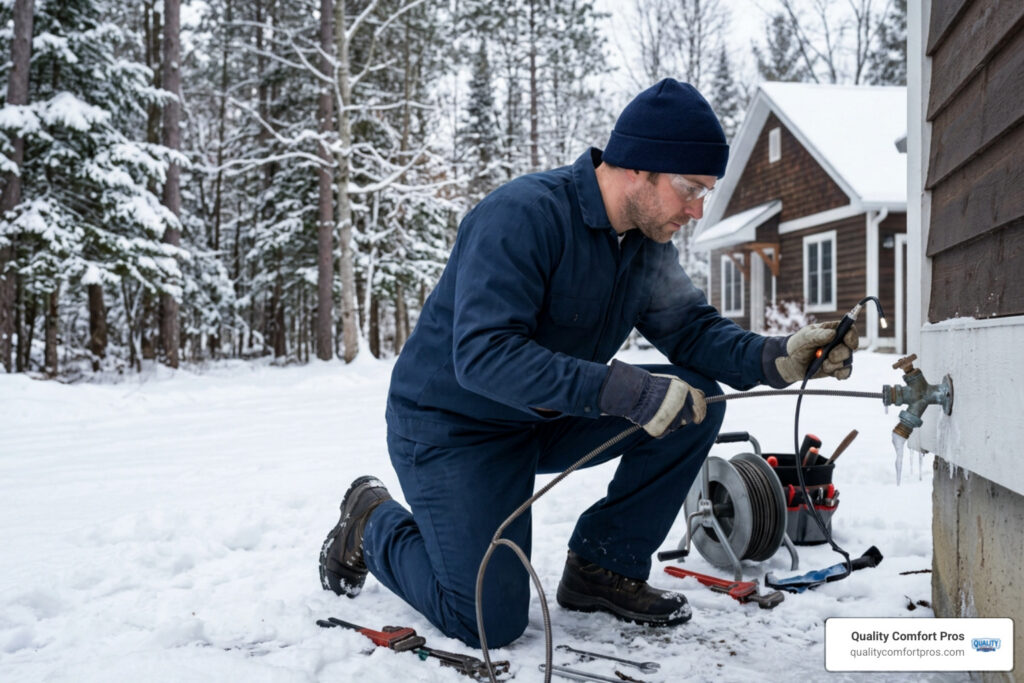
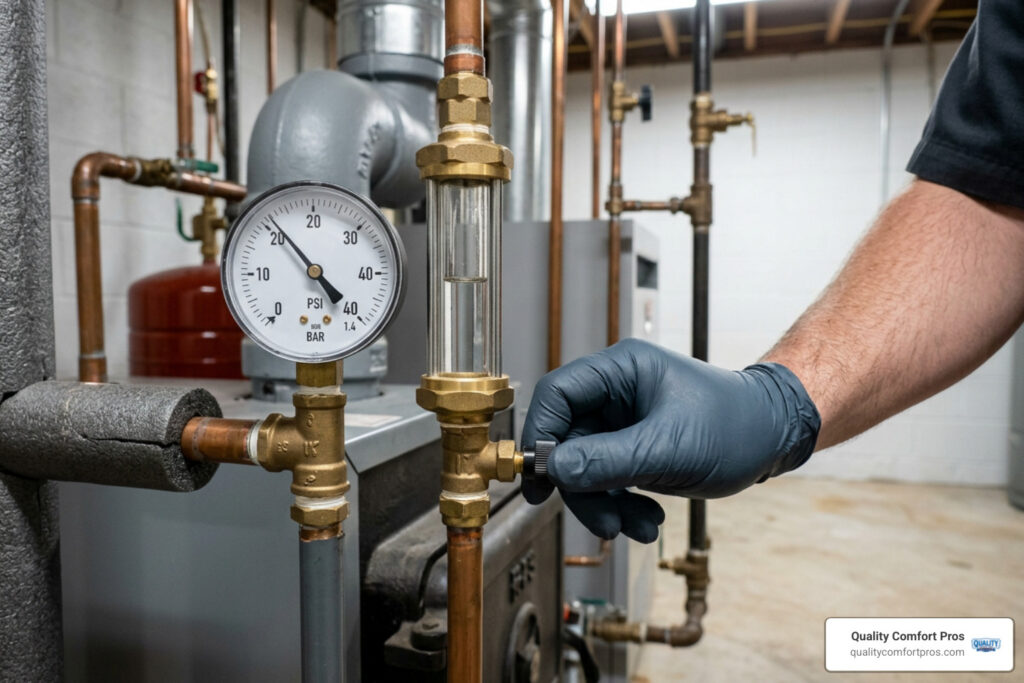
Ice around an outdoor vent termination can prevent a furnace from operating safely during a winter storm. Homeowners should remove only loose, accessible snow from the surrounding area, while our technician evaluates the vent path, combustion equipment, and safety controls. A cracked heat exchanger requires professional attention because it can create a carbon monoxide concern. For a forced-air system that will not produce heat, timely furnace repair can help protect plumbing during severe weather, and hydronic systems may require professional diagnosis of pumps, pressure, or controls.
Summer Humidity and Fast Cooling Repairs
Summer comfort challenges are driven largely by elevated outdoor moisture. Your air conditioner removes humidity while lowering indoor air temperatures. When moisture extraction is compromised, indoor air feels muggy and warm even if the fan is running continuously.
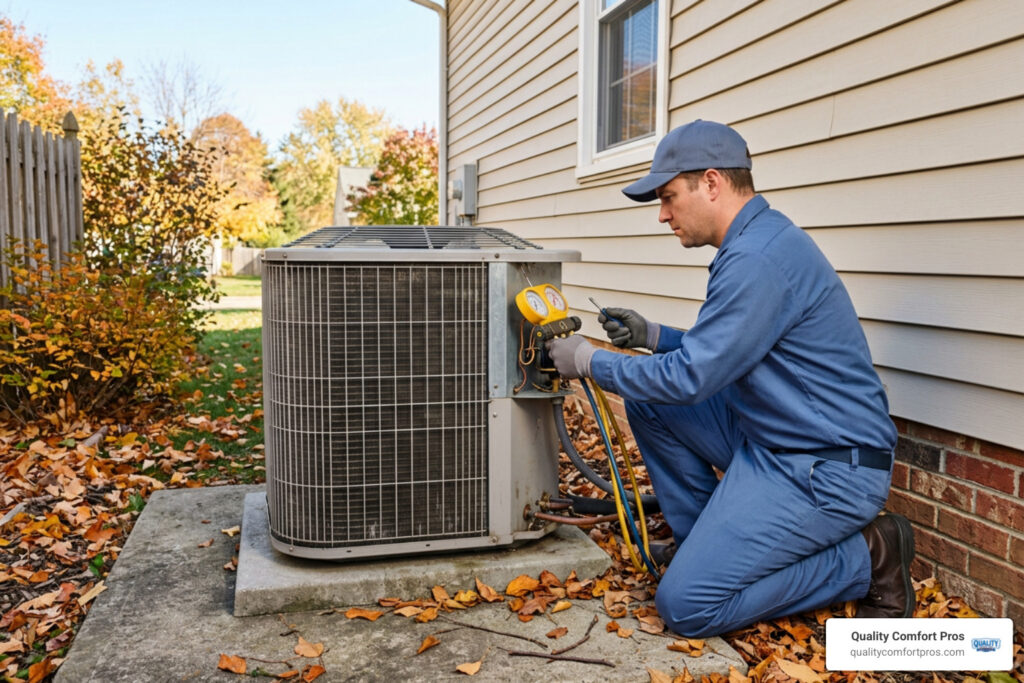
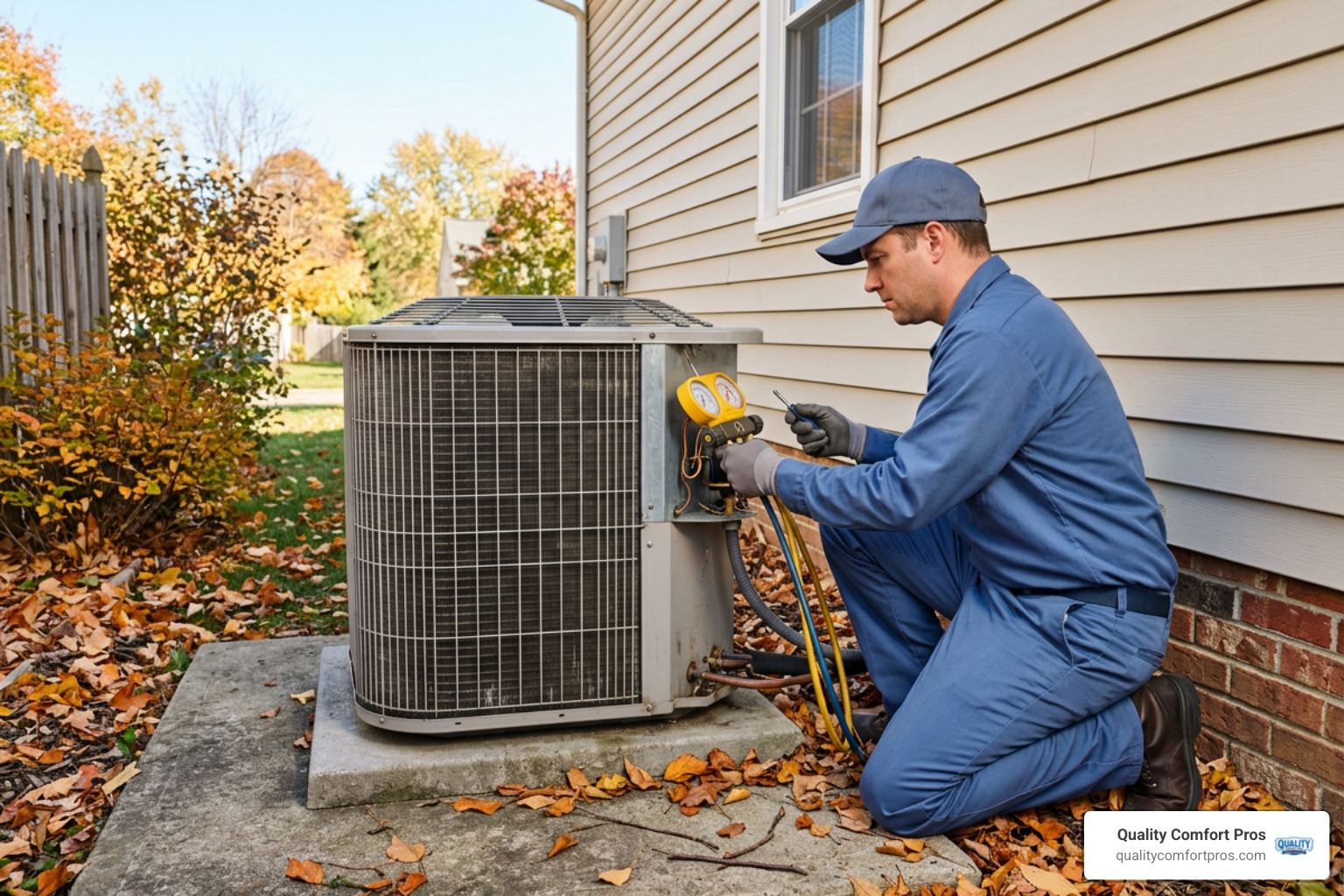
Restricted airflow from dust accumulation or a dirty blower wheel can contribute to frozen evaporator coils and interrupt the cooling cycle. Homeowners can replace filters and keep vents clear, but our technician diagnoses refrigerant concerns, electrical contact wear, and sealed-system problems. High humidity also creates condensation that can back up when a drain line is blocked with algae or debris. Booking professional AC repair helps restore dependable cooling, while ductless mini-split service can keep individual zones balanced and dry.
Deciding Between HVAC System Repair and Replacement
Determining whether to invest in repairing an existing heating or cooling system or replace it entirely depends on several key variables: equipment age, repair frequency, system efficiency, and overall safety.
| Evaluation Factor | Repair Recommended | Replacement Recommended |
|---|---|---|
| Equipment Age | Under 10 years old | Over 12 to 15 years old |
| Repair Cost Frequency | First-time or isolated minor fix | Frequent recurring mechanical failures |
| Energy Efficiency | Meets current comfort and operating needs | Older equipment with declining performance or outdated efficiency features |
| Safety Integrity | Clean electrical and combustion components | Cracked heat exchanger, severe corrosion, or obsolete refrigerant |
| Comfort Consistency | Balanced temperatures across all rooms | Chronic hot or cold spots, severe humidity issues |
Assessing Equipment Age and Energy Efficiency
On an older system, the repair-versus-replacement decision depends on more than one repair. Our technician considers the equipment’s age, maintenance history, condition of major components, safety concerns, and whether the system still delivers reliable comfort. A repair may be appropriate for an isolated problem on a well-maintained unit. Replacement can make more sense when failures keep returning, key components are deteriorated, or a safety issue is present.
Modern heating and cooling equipment uses efficiency features designed to improve comfort and reduce unnecessary energy use. ENERGY STAR furnaces have higher AFUE ratings and more efficient blower motors than standard models. Our technician can explain how those features relate to an older system’s condition, airflow, and long-term reliability. The best option depends on the equipment and the needs of the home.
If a heating unit needs extensive work near the end of its useful life, a planned furnace installation can provide dependable warmth. Upgrading with an AC replacement can also improve cooling reliability during humid summer weather. For a system near the end of its useful life, homeowners may also want to ask about heat-pump options, while properties with hydronic heat may need an evaluation of the boiler and distribution system. According to ENERGY STAR, because a heat pump moves heat rather than burning fuel, an ENERGY STAR certified air-source heat pump can deliver up to three times more heat energy to a home than the electrical energy it uses, and certified cold-climate models are built for winters that regularly drop below freezing.
A Recent Service Call in Boyne City
A Boyne City homeowner lost heat during a stretch of heavy lake-effect snow. Our technician found a cracked heat exchanger on a furnace installed more than eighteen years earlier. Given the system’s age and the safety concern, we recommended replacement rather than repair. A new system was installed within days.
Diagnosing Thermostat and Air Distribution Problems
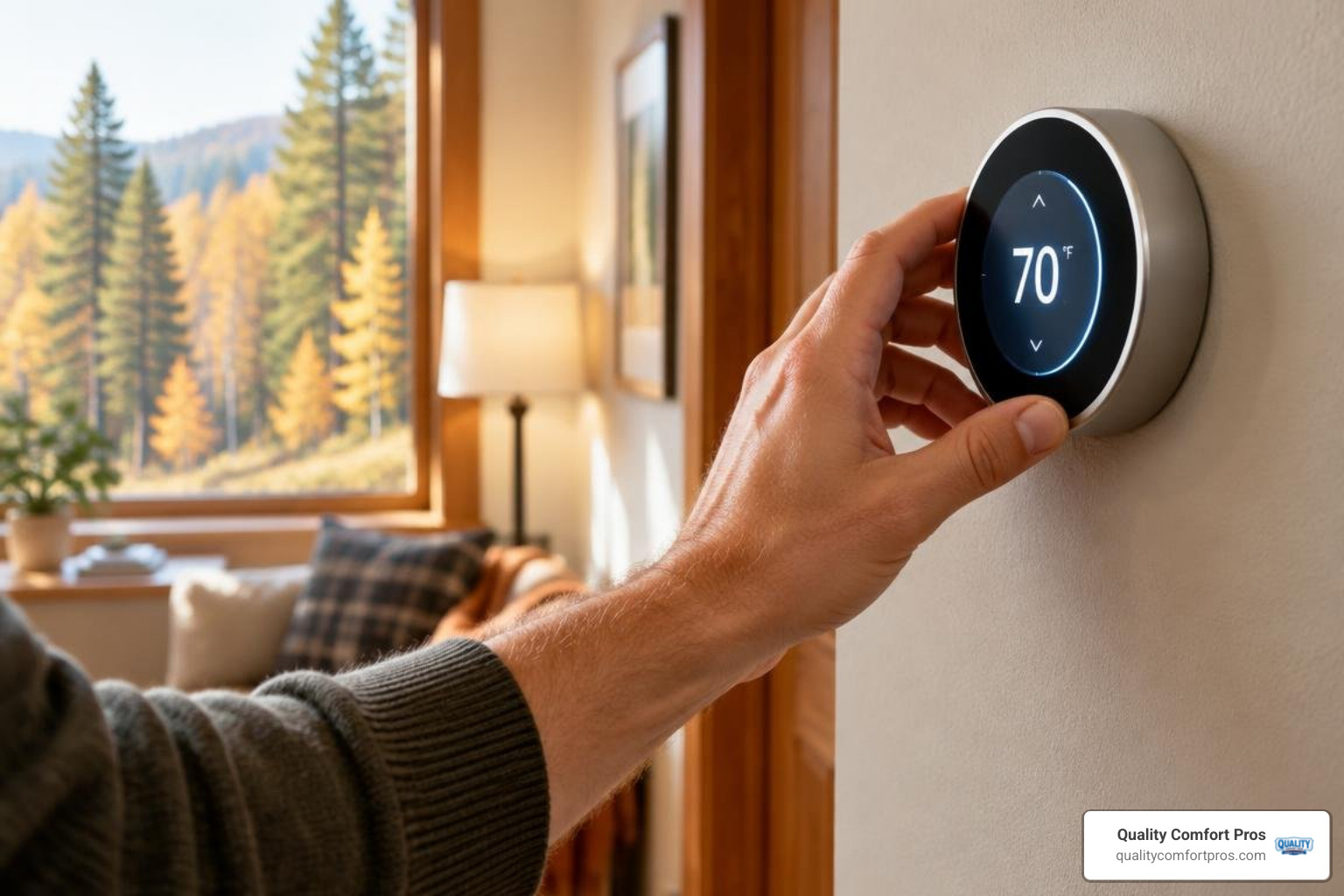
A thermostat setting or weak battery can stop a heating or cooling system from receiving the signal it needs to run. Homeowners can confirm the setting and replace batteries, while our technician traces control wiring, tests internal sensors, and checks safety controls. On a no-heat call, our technician verifies the call for heat and identifies any condition that has interrupted operation. This approach distinguishes a basic thermostat issue from a larger equipment problem.
Similarly, damaged or leaky ductwork can send conditioned air into attics, basements, or crawlspaces instead of the living areas. Our technician identifies loose connections, damaged sections, and airflow imbalances that affect room-to-room comfort. Targeted duct repair can seal leaking seams and improve air distribution. If the existing network is deteriorated or undersized, duct installation may be the more reliable solution.
How to Choose the Right Local HVAC Repair Expert
Selecting a reputable service provider helps ensure that heating and cooling equipment is diagnosed accurately and repaired safely. An experienced local team understands how Northern Michigan weather affects furnaces, air conditioners, venting, and outdoor equipment. That local knowledge helps protect the system and keep the home comfortable through every season.
Homes in the area can range from newer forced-air systems to older cabins with hydronic heat, so the right contractor asks detailed questions before recommending a fix. Expect a review of recent symptoms, maintenance history, airflow concerns, thermostat behavior, and changes in system performance. A careful diagnostic process helps separate a simple control issue from a failing motor, refrigerant concern, combustion issue, or duct-related performance loss.
Verifying Emergency Response Times and Technician Credentials
During winter cold snaps or humid summer heatwaves, waiting days for a technician is not an option. Look for companies that provide dedicated emergency support and maintain short response windows for urgent calls.
Look for technicians who are licensed and experienced with modern equipment configurations across major system types. Experienced contractors may carry common replacement components on their service vehicles, helping them resolve suitable issues on the initial visit rather than waiting on parts shipments. Ask what the diagnostic process includes and whether the contractor will explain the recommended work clearly.
Navigating Pricing Transparency and Eliminating Hidden Fees
Clear communication regarding diagnostics, labor, and parts builds long-term customer trust. Before any mechanical work begins, your technician should provide an itemized evaluation outlining the exact issue and the steps required to resolve it.
Working with an established company ensures you receive upfront quotes without unexpected surcharges. Reliable contractors also back their work with warranties on replacement parts and labor, giving you peace of mind that the repair was performed correctly.
Proactive Maintenance Tips to Prevent Costly Breakdowns
Preventative maintenance is the most effective way to avoid sudden equipment failures and maximize the operating life of your heating and cooling equipment.
Seasonal Tune-Up Checklist for Heating and Cooling Systems
Homeowners can easily handle simple preventative steps, but a comprehensive tune-up requires professional mechanical calibration:
- Change the Filter When Needed: Check the filter regularly and install a clean replacement when it is visibly loaded with dust.
- Clear Nearby Debris: Remove leaves, grass clippings, loose snow, and surface ice from the accessible area around outdoor equipment.
- Keep Air Paths Open: Check that supply registers, return grilles, and reachable exterior terminations are not blocked by furnishings, snow, or yard debris.
- Leave Internal Work to a Technician: Our technician inspects wiring, capacitors, contactors, burners, coils, and condensate components.
- Call When Performance Changes: Arrange service for unusual sounds, repeated cycling, weak airflow, or difficulty maintaining the thermostat setting.
For a seasonal property, replace the filter, clear leaves and loose snow from accessible outdoor areas, and confirm that vents are not blocked before leaving the home empty. Set the thermostat to a safe temperature and arrange routine maintenance before prolonged winter absences. Homeowners should not open equipment cabinets, work on gas lines, handle refrigerant, or attempt electrical repairs. Our technician performs those inspections and repairs safely.
Scheduling Timely HVAC Service Calls
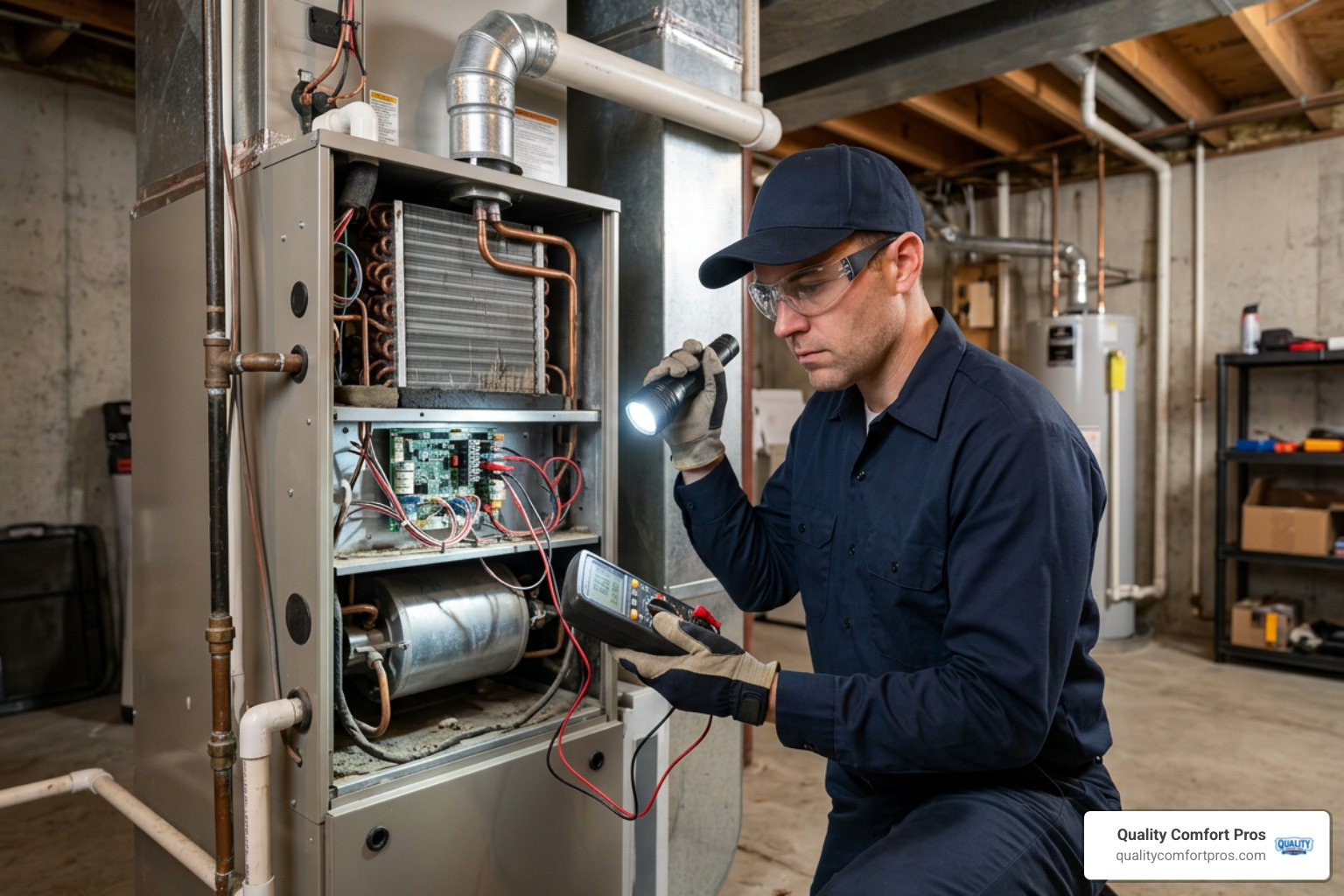
Addressing unusual noises, strange odors, or minor temperature variations early prevents secondary component damage. If you hear grinding sounds from a blower motor or notice weak airflow from your supply vents, schedule a diagnostic check right away.
Quality Comfort Pros delivers comprehensive heating and cooling solutions across Northern Michigan, including the local service area. Addressing minor warning signs with a timely repair or replacement guide can help you understand when to call for professional service. Our technician can assess the system and recommend the next step based on safety, reliability, and the condition of the equipment.
Frequently Asked Questions About Local HVAC Repair
What are the most common local heating and cooling issues?
The most frequent issues include clogged air filters, frozen AC evaporator coils, blocked furnace exhaust vents from snow or ice accumulation, failing blower motors, and electrical component wear caused by continuous seasonal operation.
How quickly can an emergency HVAC technician arrive?
Emergency service calls are prioritized based on urgency and weather conditions, with local response teams dispatched promptly to restore heat during freezing winter weather or restore critical cooling.
What does a professional HVAC diagnostic visit involve?
A diagnostic visit begins with a review of the reported symptoms, thermostat operation, airflow, and accessible equipment condition. Our technician then evaluates the system safely and explains the issue and recommended next step before repair work begins.
What are the key signs that a heating system needs repair instead of replacement?
If your heating equipment is under ten years old, has been maintained regularly, and is experiencing an isolated issue like a worn igniter or dirty flame sensor, a repair is typically the most cost-effective option.
Do local HVAC contractors provide same-day service for AC breakdowns?
Yes, local contractors provide rapid same-day diagnostic and repair appointments during summer heatwaves to resolve cooling loss and high humidity issues quickly.
How can I verify the credibility and reviews of HVAC technicians?
Check verified homeowner reviews on platforms like Angi or Google, confirm that the contractor holds valid state licensing and insurance, and look for long-standing community experience.
When should I consider replacing my heat pump rather than repairing it?
Replacement is advisable when a heat pump is more than 12 to 15 years old, uses outdated refrigerant, requires recurring expensive repairs, or can no longer keep up with heating and cooling demands.
What routine maintenance tasks prevent sudden winter furnace failures?
Replacing filters every 1 to 3 months, keeping exterior intake and exhaust pipes clear of snowdrifts, checking thermostat batteries, and scheduling an annual pre-winter furnace inspection prevent sudden shutdowns.
Can faulty ductwork or thermostats cause poor heating performance?
Yes, disconnected or unsealed duct joints allow warm air to escape into unconditioned spaces, while miscalibrated thermostats cause short-cycling and uneven temperature distribution throughout your home.
What factors cause frozen evaporator coils during humid summers?
Frozen coils are primarily caused by restricted airflow from dirty air filters or failing blower fans, as well as low refrigerant levels resulting from small leaks within the sealed refrigerant lines.
Restoring Year-Round Comfort at Home
Northern Michigan homes need heating and cooling equipment that can stand up to deep cold, lake-effect snow, and humid summer weather. Quality Comfort Pros provides family-owned service serving Northern Michigan since 1997 with all-brand system capability. Our technician helps homeowners choose safe maintenance steps and clear next actions when a repair or replacement is needed.
For heat-pump repairs, ductless mini-split service, or seasonal maintenance, Quality Comfort Pros serves homeowners in Boyne Falls and nearby Northern Michigan communities. Contact our team to arrange a professional diagnostic visit and restore dependable comfort at home.