I’m JD Osman, owner of Quality Comfort Pros, with more than 20 years of experience in home services across Northern Michigan. In this guide to water purity levels, I’ll walk you through what TDS and PPM readings actually mean for a home, what they can tell you about well or municipal water, and when it is worth having the water tested. My goal is to provide straightforward information that helps homeowners understand their water concerns and decide on a practical next step.
Why Water Purity Levels Matter at Home
Water purity levels describe what is dissolved or present in the water your household uses every day. For Northern Michigan homeowners, especially those using private wells, the practical questions are simple: Does the water look, smell, or taste normal? Is it leaving stains or scale? Could it be affecting fixtures, appliances, or the people in the home?
A clear glass of water is not always a complete picture of its quality. Minerals, metals, bacteria, nitrates, and other substances may not be obvious without testing. That is why Quality Comfort Pros approaches home water concerns by connecting what homeowners notice with the testing and treatment options that fit the water source.
Two terms often appear on test results and meter readings: Total Dissolved Solids, or TDS, and parts per million, or PPM. They can help describe the amount of dissolved material in water, but they do not identify every substance present. A reading is most useful when it is considered alongside the water source, household symptoms, and a more complete test when needed.
| Home Water Term | What It Means | What It Can Help Explain |
|---|---|---|
| TDS | Total dissolved solids in water | A broad measure of dissolved material |
| PPM | Parts per million | The unit often used to report TDS |
| Hard water | Water with elevated hardness minerals | Scale, spotting, and soap that does not lather well |
| Iron | A naturally occurring mineral | Rust-coloured stains and metallic taste |
| Chlorine | A disinfectant often used in municipal supply | A stronger-than-usual chlorine smell or taste |
Home water quality is not only about taste. Water conditions can influence how well soap works, how quickly scale appears around faucets, and how plumbing fixtures and water-using appliances perform over time. Knowing what TDS and PPM mean gives homeowners a helpful starting point, while professional testing can show which specific concerns need attention.
Understanding TDS and PPM in Household Water
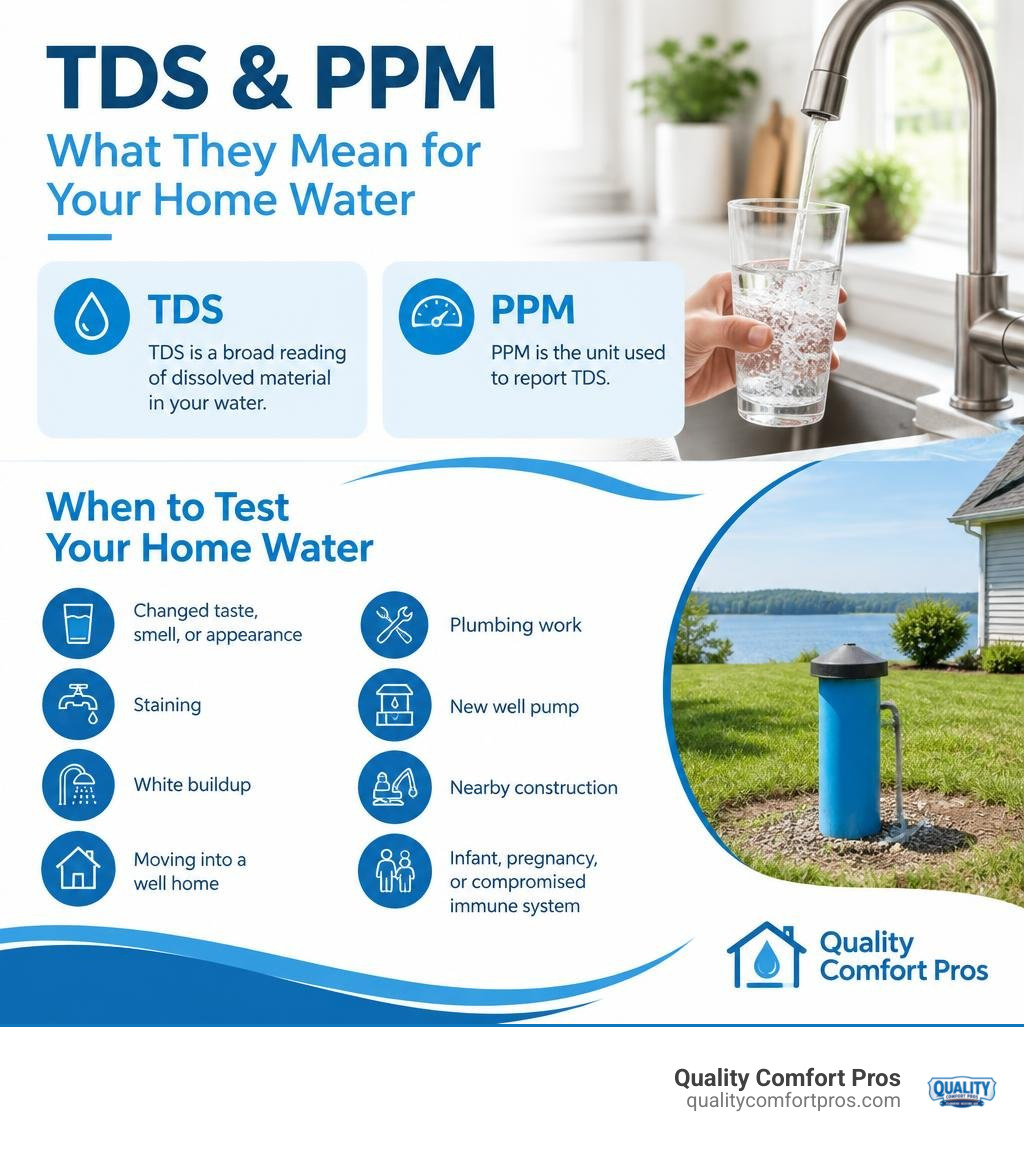
TDS stands for Total Dissolved Solids. It is a broad measurement of the minerals, salts, and other materials dissolved in water, and it is commonly reported in PPM, or parts per million. A handheld meter can estimate TDS by measuring electrical conductivity, but that estimate does not tell a homeowner exactly which substances are present.
That distinction matters for homes in Gaylord, MI, and throughout Northern Michigan. Two water samples can have similar TDS readings while containing very different combinations of hardness minerals, iron, sodium, or other materials. A low reading is not a guarantee that every possible concern is absent, and a higher reading does not identify the cause by itself.
What a TDS Reading Can Tell You
A TDS reading is useful for spotting changes and for understanding whether dissolved material is affecting the water. When a household notices new scale around faucets, cloudy dishes, or a different taste, comparing readings over time may help show that conditions have changed. It can also help homeowners see whether a treatment system is reducing dissolved material as expected.
TDS is best viewed as one piece of the home water picture. It does not replace testing for bacteria, lead, nitrates, pesticides, or other specific concerns. When the source of a problem is unclear, a complete water test gives the information needed to make a treatment decision with confidence.
Why PPM Needs Context
PPM is the reporting unit used to describe the concentration of dissolved material in water. It is a measurement tool, not a health verdict. Water can have a noticeable mineral taste, leave deposits, or create staining even when a single number does not explain the whole situation.
For example, calcium and magnesium often contribute to hard water, while iron can cause rust-coloured staining. Chlorine may create a more noticeable smell or taste in municipal supply, and private wells can change with weather, plumbing work, or conditions around the water source. Looking at the symptoms alongside test results makes TDS and PPM more practical for homeowners.
When a Northern Michigan Home Should Test Its Water
A home water test can look for lead, bacteria, chlorine, iron, hardness minerals, nitrates, and pesticides in both well water and municipal supply. The testing takes one visit, and results come back within a few days. For homeowners who are unsure where to begin, water quality testing turns a concern about the water into clear information about what is present.
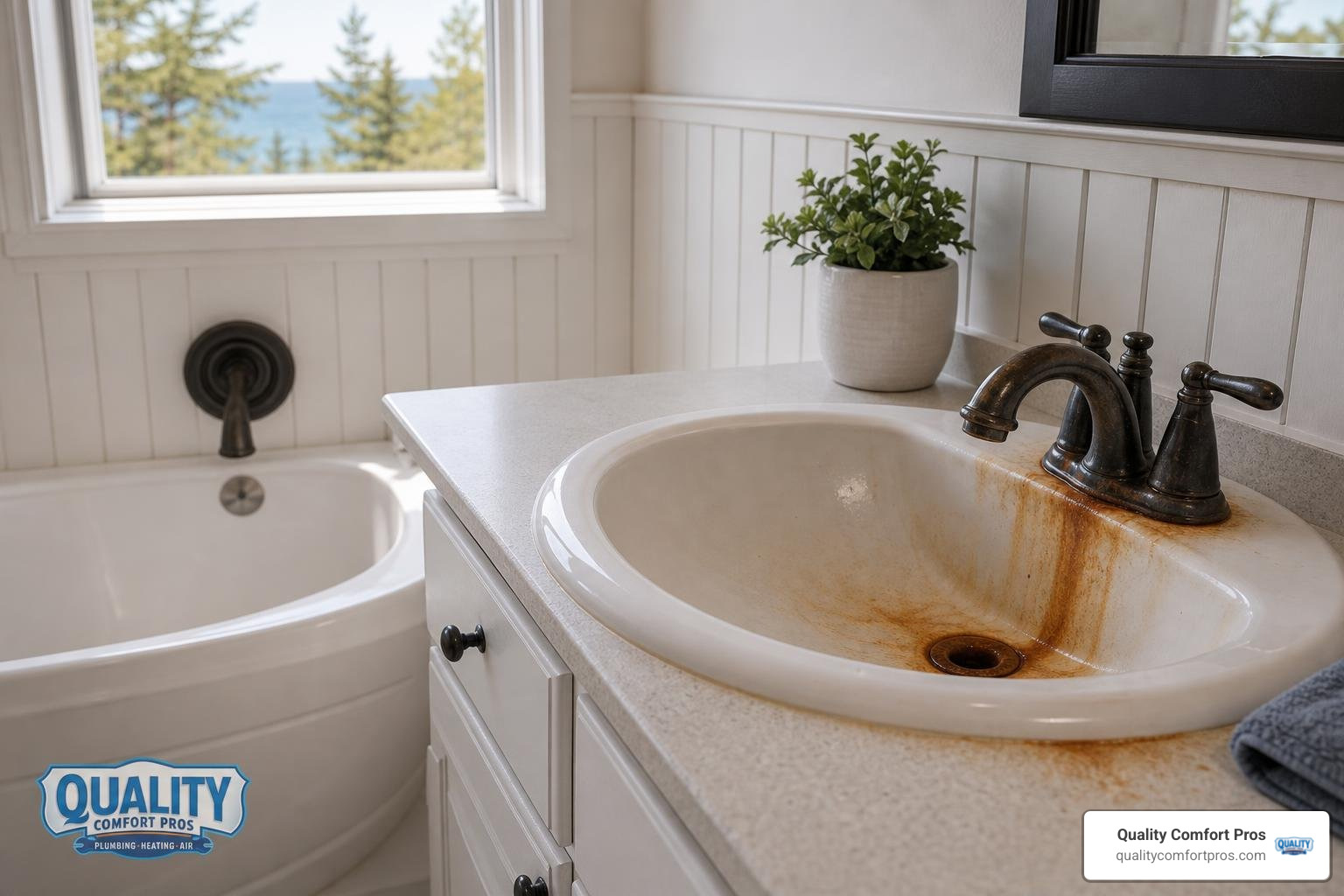
It is time to test when the water looks, smells, or tastes different. Cloudiness, a metallic taste, or a stronger chlorine smell than usual are signs worth checking. Rust-coloured stains on sinks, tubs, or laundry often point to iron, while soap that will not lather and white buildup around faucets and on dishes point to hard water.
Testing is also important when moving into a home with a well or when a well has not been tested in over a year. Recent plumbing work, a new well pump, or nearby construction can disturb the water source. Homes with an infant, a pregnancy, or someone with a compromised immune system should also consider testing, as should homes built before the 1980s with original plumbing or fixtures.
Homeowners can also review Michigan EGLE guidance for state environmental information. Local conditions matter, particularly for properties that rely on a private well. Testing provides a more useful answer than relying on taste, appearance, or a TDS meter alone.
Home Water Treatment Options for Common Problems
Once testing identifies the concern, the next step is choosing treatment that fits the home and the water source. No single system is right for every household because iron, hardness minerals, chlorine, and other issues call for different approaches. The goal is to address the actual problem rather than treating a number on a meter as the whole story.
Filtration and Reverse Osmosis
Carbon filtration is commonly used to improve taste and address chlorine-related concerns. Homeowners can learn more about how it works in this carbon filtration guide. The best setup depends on the water chemistry, the source, and what the household wants to improve.
Reverse osmosis can reduce many dissolved materials at a dedicated drinking-water location. A professionally planned RO filter installation can be a practical option when testing and household needs point to that type of system. Because it is designed for specific uses, it should be selected as part of a complete treatment plan rather than as a universal answer.
Softening and Whole-Home Filtration
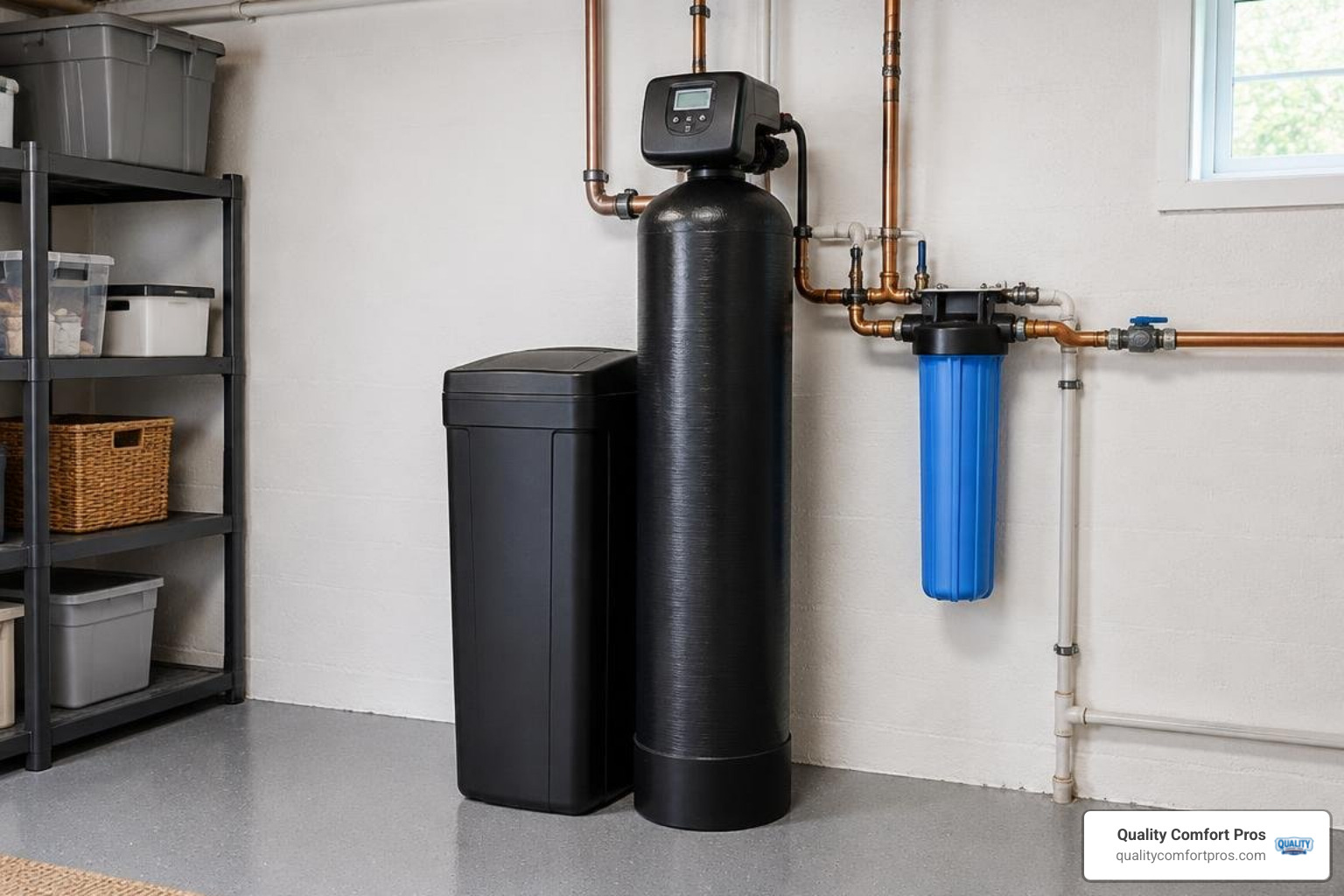
Hard water often shows up as white buildup, reduced soap lather, and scale on fixtures and appliances. A water softener installation is designed to address hardness minerals and can help protect plumbing fixtures and water-using equipment. It does not replace testing for other concerns, but it can be the right solution when hardness is the main issue.
Whole-home water filtration options can be tailored to the water coming into the house. The right combination may include filtration, softening, or a separate point-of-use system for drinking water. Starting with accurate results helps homeowners avoid guessing and supports a solution that matches the water they actually have.
Drinking Water Safety Starts With the Right Information
Household water can come from a municipal system or a private well, and the questions homeowners ask are often similar. Does the water have an unusual taste or smell? Is it leaving stains, scale, or buildup? Has something changed after plumbing work, a new pump, or construction near the property?
Municipal water and private wells are different water sources, but both can benefit from attention when conditions change. Municipal customers may notice a stronger chlorine smell or a change in taste, while well owners may be watching for cloudiness, iron staining, or a change in how soap performs. Testing identifies what needs to be addressed instead of relying on assumptions.
Public Resources and Local Conditions
The EPA drinking water page offers general information about groundwater and drinking water in the United States. It is a useful starting point for understanding why source water, plumbing, and local conditions can affect what comes out of a household tap. However, a general resource cannot replace a test of the water in a specific home.
Northern Michigan homes can have different water conditions from one neighborhood to another. A private well, the age of plumbing, recent work around the property, and naturally occurring minerals can all influence what a homeowner notices. When the water looks, smells, or tastes different, testing provides the detail needed to determine the next step.
Focus on Specific Home Water Concerns
A TDS meter may help track dissolved material, but it does not diagnose the cause of a water issue. It cannot confirm whether a change is related to iron, hardness minerals, lead, bacteria, chlorine, nitrates, or pesticides. A more complete test gives homeowners a better basis for choosing maintenance or treatment.
This approach keeps the conversation focused on everyday household needs. It helps protect fixtures, improve the water experience, and support informed decisions without treating every water concern as the same problem. For homeowners on private wells, regular attention to changes in the water is especially important.
Keeping an Eye on Your Home Water
Water conditions can change over time, even when a household has not changed its routines. A new taste, a different smell, more spotting on dishes, or stains that appear more quickly are practical signs to pay attention to. For homes on a private well, changes around the property or the well system can also be a reason to check the water.
Regular maintenance helps a treatment system continue doing the job it was selected to do. Filters, softening equipment, and point-of-use systems need attention based on the equipment and the water conditions in the home. When a system no longer seems to be solving the original issue, retesting can show whether the water has changed or the equipment needs service.
Watch for Changes Around the Home
White buildup around faucets and on dishes can indicate hard water. Rust-coloured stains in sinks, tubs, or laundry can point to iron. A metallic taste, cloudiness, or a stronger chlorine smell than usual are also reasons to take a closer look rather than simply masking the symptom.
Homeowners who move into a house with a well should make water testing part of settling in. The same is true after a new well pump, recent plumbing work, or nearby construction that could have disturbed the water source. A simple observation followed by appropriate testing can prevent a small concern from becoming an ongoing frustration.
For local homeowners, Quality Comfort Pros can help connect water concerns with the right next step. The focus is on understanding what the water is doing in the home and selecting a practical solution based on the results. That keeps treatment decisions grounded in the needs of the property and the people using the water.
Frequently Asked Questions About Water Purity
What is the difference between TDS and PPM in water testing?
TDS means Total Dissolved Solids, which describes the material dissolved in water. PPM means parts per million, the unit commonly used to report that measurement. A TDS reading can be useful, but it does not identify every substance in the water.
What can a high TDS reading mean at home?
A higher TDS reading means there is more dissolved material in the water than in a lower reading. It may be related to minerals, salts, or other substances, but the number alone does not identify the cause. A complete water test can clarify what is contributing to the reading.
Can a TDS meter tell me if my water is safe?
A TDS meter is not a complete safety test. It cannot confirm whether water contains bacteria, lead, nitrates, pesticides, or other specific concerns. Use it as a general screening tool and arrange testing when the water changes or a household risk factor is present.
Why does my water leave white buildup on faucets and dishes?
White buildup often points to hard water and the minerals dissolved in it. Those minerals can also make soap harder to lather and leave spots on glassware. Testing can confirm whether hardness is the issue and help guide treatment.
What causes rust-coloured stains in sinks or laundry?
Rust-coloured stains often point to iron in the water. Iron can also create a metallic taste and affect fixtures, tubs, and laundry. Testing identifies whether iron is present and helps determine the best treatment approach.
Why does my municipal water smell more strongly of chlorine?
A stronger chlorine smell can be a noticeable change in municipal water. Chlorine is used in many public water supplies, but a change in smell or taste is still a good reason to review the water and household plumbing conditions. Testing can help homeowners understand what they are noticing.
When should a private well be tested?
A well should be tested when moving into a home, when it has not been tested in over a year, or when the water changes in appearance, smell, or taste. Recent plumbing work, a new well pump, or nearby construction can also be reasons to test. Homes with an infant, a pregnancy, or someone with a compromised immune system should be especially attentive.
Can hard water damage household fixtures and appliances?
Hard water can create scale on faucets, dishes, and water-using equipment. Over time, that buildup can affect how fixtures look and how appliances perform. A water test can confirm whether hardness minerals are contributing to the problem.
What does a home water test check for?
A home water test can look for lead, bacteria, chlorine, iron, hardness minerals, nitrates, and pesticides. It can be performed on well water and municipal supply. The results give homeowners specific information instead of relying on a general meter reading or a visible symptom.
How long does water testing take?
The testing visit takes one visit, and results come back within a few days. That makes it possible to move from a household water concern to clear information without a long delay. Once results are available, homeowners can decide what type of treatment or maintenance makes sense.
Knowing What Is in Your Water
Understanding TDS and PPM gives homeowners a useful way to start thinking about water conditions, but the most important question is what is actually present in the home water supply. Changes in taste, smell, staining, buildup, or soap performance are worth addressing, particularly for households that rely on a private well. A clear test result helps turn those observations into a practical plan.
For help evaluating home water concerns, explore our water quality services. Quality Comfort Pros provides local HVAC and plumbing support for homeowners in Gaylord, MI, and Northern Michigan, with a focus on water solutions that fit the property and its source water. When you are ready to take the next step, contact our team to schedule a conversation about your home’s water.