Hearing strange sounds from your water heater can be unsettling, especially during the freezing months we’re used to in Northern Michigan. When you rely on hot water more than ever, odd noises like popping, banging, or even hissing can catch you off guard.
These sounds often hint at developing issues that won’t go away on their own. Sometimes they’re harmless, but other times they signal a problem that needs attention before it gets worse. That’s why it’s helpful to understand what those noises could mean and when it’s time to call about a water heater repair before winter problems turn serious.
What Do Strange Water Heater Noises Mean?
Strange noises from your water heater aren’t something to ignore. They usually mean something inside the tank needs attention. Here’s a quick breakdown of familiar sounds and what they often point to:
- Popping sounds usually mean there’s a buildup of sediment at the bottom of the tank. When water gets trapped under this layer and heats up, it breaks through with a pop or crackle.
- Rumbling noises can come from sediment shifting inside a tank that’s working too hard to heat through the mess.
- Hissing or sizzling might be caused by a small leak where water touches a hot surface or by issues with the pressure relief valve.
In Northern Michigan, hard water is common. That means there are more minerals in the water, which settle inside the tank over time. If your tank’s older or hasn’t been flushed in a while, the sediment layer can get thicker. More sediment means more noise and more stress on your system.
These sounds won’t fix themselves. The longer they go unchecked, the harder your water heater has to work, and that can shorten its life or lead to sudden breakdowns when you need hot water the most.
How Cold Weather Impacts Your Water Heater
Winter in Northern Michigan brings snow, ice, and freezing temperatures starting as early as late November. During these months, your water heater is under extra strain. If you’ve been hearing more noise than usual, the cold weather might be part of the reason.
Here’s what happens during winter:
- The colder the incoming water, the harder your water heater has to work to bring it up to temperature. This extra effort can make existing issues more noticeable.
- Cold weather makes everything slower, including how heat moves through sediment buildup. That can lead to more popping and rumbling as water struggles to push past the minerals sitting at the bottom of the tank.
- Cracks and leaks can show up when metal parts expand and contract in extreme temperatures. If you hear a high-pitched whine or see signs of dripping, that could be a warning sign.
Between increased demand and low outdoor temperatures, it’s no surprise that water heater problems occur more often in winter. Noise is usually the first hint that something’s wrong.
When to Call for Help From a Pro
It’s normal for your water heater to make quiet humming or clicking noises from time to time. But certain sounds or changes in performance are clear signs that it’s time to call a professional before things get worse.
Keep an ear out for:
- Loud banging or thumping noises that repeat
- Ongoing rumbling or popping that doesn’t go away with time
- Hissing paired with visible leaks or moisture around the base
- Sudden loss of hot water or water that smells or looks rusty
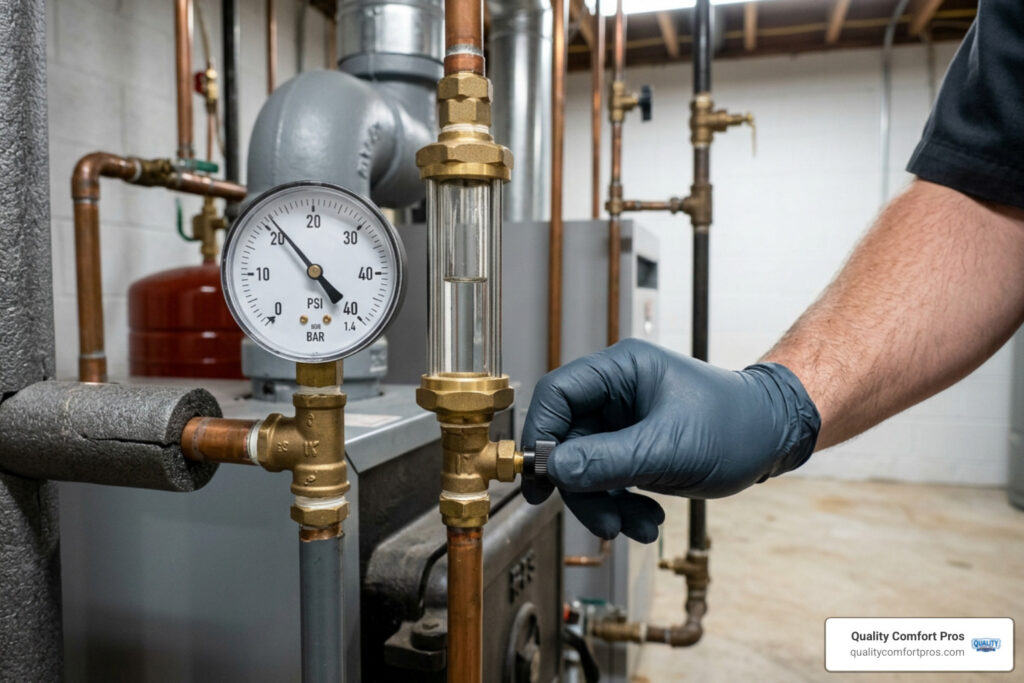
Trying to investigate or fix these problems yourself might sound like a good idea, but water heaters involve pressurized tanks and high heat. Without the right tools and safety checks, it’s easy to make things worse or even unsafe.
Certified plumbers know how to check what’s going on safely and can tell if your water heater can be repaired or if it’s time to plan for a replacement. If you’ve got concerns, especially during the cold stretch from December through February, it’s better not to wait and see what happens.
Preventing Water Heater Problems Before They Start
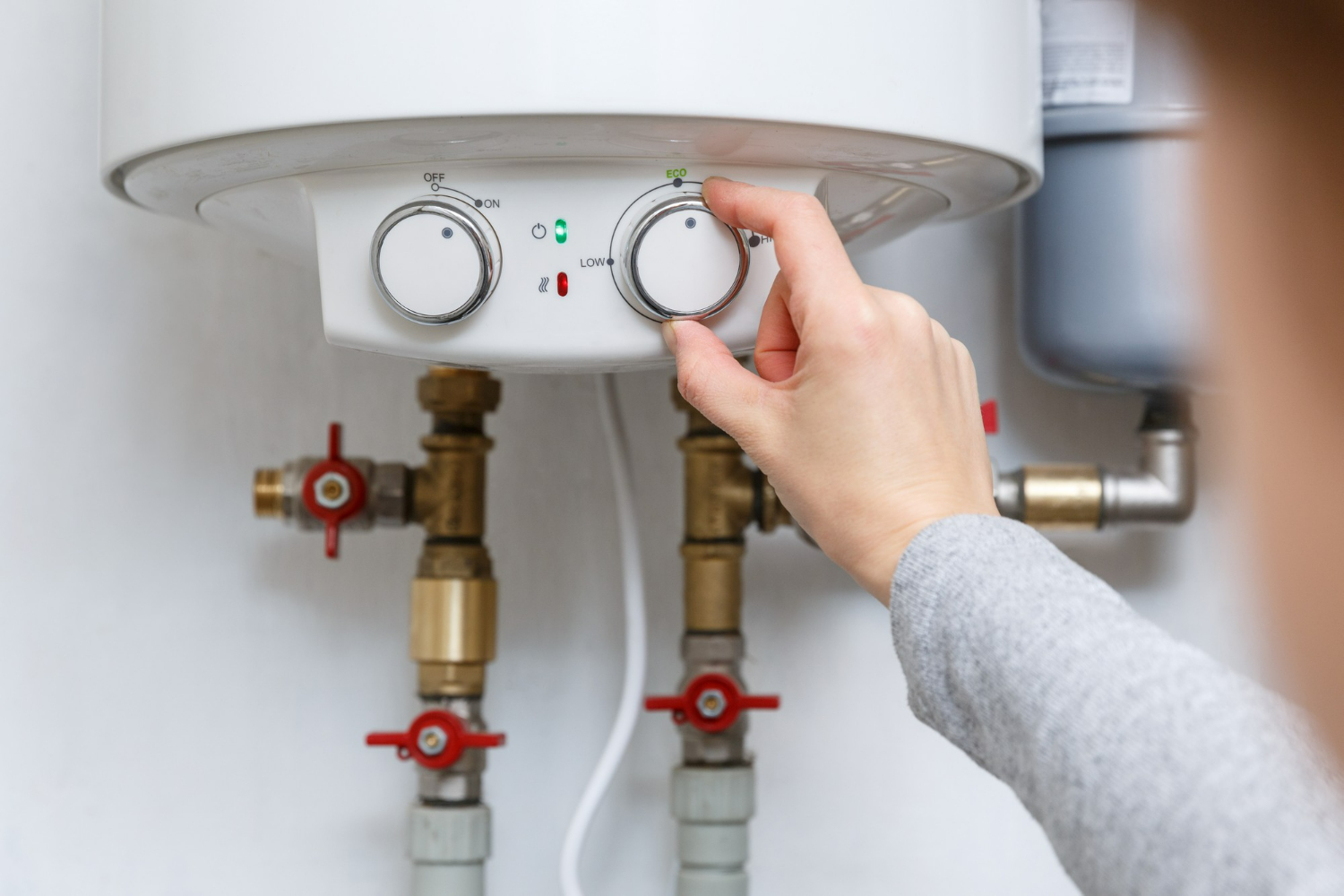
While some tasks are best left to professionals, there are ways to keep your water heater running quietly and smoothly throughout the year. Regular care can make a big difference.
- Flushing the tank once or twice a year helps clear out buildup before it turns into a thick layer of minerals.
- Installing a water softener or filtered system can reduce the hardness of Northern Michigan’s water, which cuts down on sediment in the first place.
- Asking for a system check-up before winter kicks in can bring up minor problems early and prevent bigger troubles in the deep freeze.
According to our service page, we offer expert guidance on selecting and maintaining water heaters, including tankless and traditional options. We help address issues from sediment buildup to leaks, and we know how Northern Michigan’s hard water can affect system performance year-round.
Even if your water heater seems fine right now, winter is harsh on home systems. A little attention ahead of time helps make sure cold mornings don’t start with a cold shower.
Keep Your Water Heater Quiet and Reliable All Winter Long
Odd sounds from your water heater aren’t just noise; they’re early warnings that something isn’t quite right. These issues often become more noticeable when the temperature outside drops and the heater works overtime.
Handling these problems early can keep your water heater running longer and avoid unexpected breakdowns when you need hot water most. With regular care, quick repairs, and the right advice, it’s possible to move through winter confidently, knowing your home’s hot water is ready for whatever Northern Michigan weather brings.
Strange noises or a struggling water heater during a Northern Michigan winter can signal trouble ahead. Ignoring these signs won’t solve the problem, and minor issues can quickly become big headaches in this kind of cold. We handle all types of plumbing needs, including water heater repair, to help keep your home warm and your showers hot. At Quality Comfort Pros, our team is here to help you stay ahead of winter problems before they turn serious. Call us today to set up a visit.