When temperatures drop hard in Northern Michigan, frozen water lines are not the only thing that can cause stress. Water heaters take a hit too. If the tank or internal parts freeze, the pressure that builds up can cause cracks, leaks, or total failure. Winter can wear out older systems or overwhelm units that were not built to handle extreme cold.
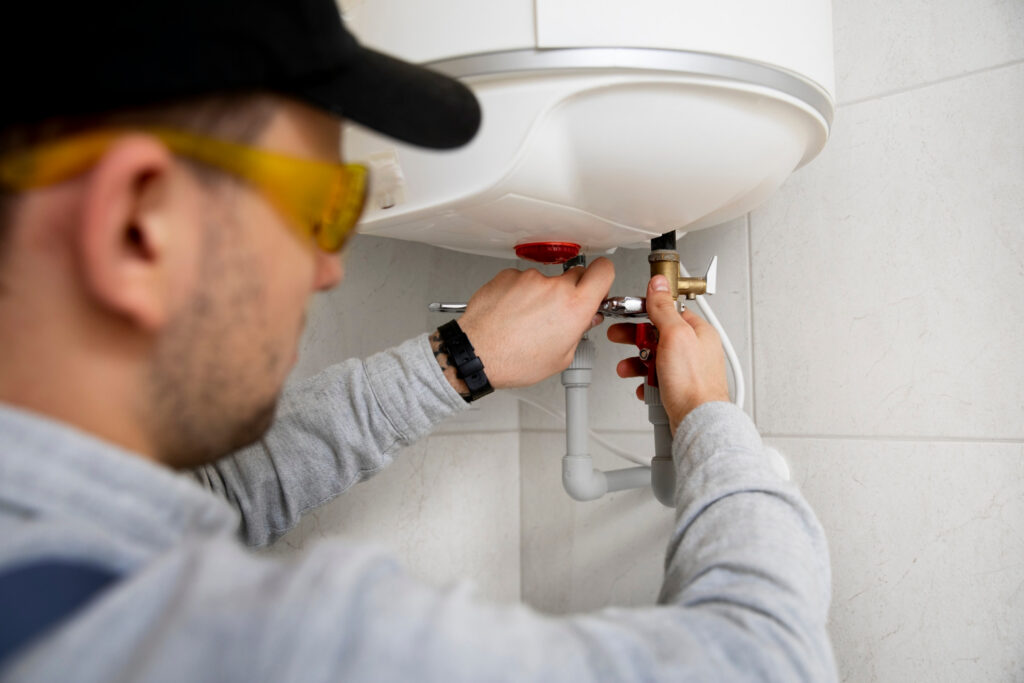
If your water heater has failed after a freeze, replacing it may be the safest option. When the damage is too severe for a quick fix, trying to patch things up may only delay the following breakdown. A complete water heater replacement brings long-term peace of mind and restores comfort when hot water is most needed. We install new water heaters in new or existing homes, and our technicians provide water heater repair and installation when a damaged unit can still be brought back into service.
Assessing the Damage After a Freeze
The first step is spotting the early clues that something has gone wrong. Sometimes a broken water heater is obvious, like when water pools around the base or the unit stops heating thoroughly. Other times, the signs are more subtle.
Here’s what we usually tell people to look for after a hard freeze:
- No hot water when turning on taps
- Unusual banging or popping sounds from the unit
- Moisture or frost on the tank or pipes
- Water leaking from seams or pressure valves
It is tempting to try using the system anyway, especially when it is cold out, but pushing a damaged water heater can make things worse. If the tank has already cracked or a pressure valve is stuck, forcing it to work could create more leaks or even damage nearby plumbing. If repairs will not hold or the system is older, replacement is often the more intelligent choice before winter problems snowball.
Turning Off Water and Power Safely
Once you notice something is not right, turning off the water and power can prevent further headaches. It helps prevent leaks from spreading and keeps the unit from running while damaged.
Here’s how to shut things down safely:
- Go to the breaker panel and switch off power to the water heater. If it is a gas model, turn off the gas supply too.
- Find the cold water shutoff valve located above the water heater and turn it clockwise to stop water from entering the tank.
- If there is active leaking or flooding, shut off the home’s main water supply until a technician arrives.
Avoid trying to drain the tank or dismantle parts on your own. Cold-weather damage can make parts brittle or pressurized. It is best to let a licensed professional handle the inspection so no one gets hurt and no extra damage is done while waiting for repairs or replacement.
What Happens During a Water Heater Replacement
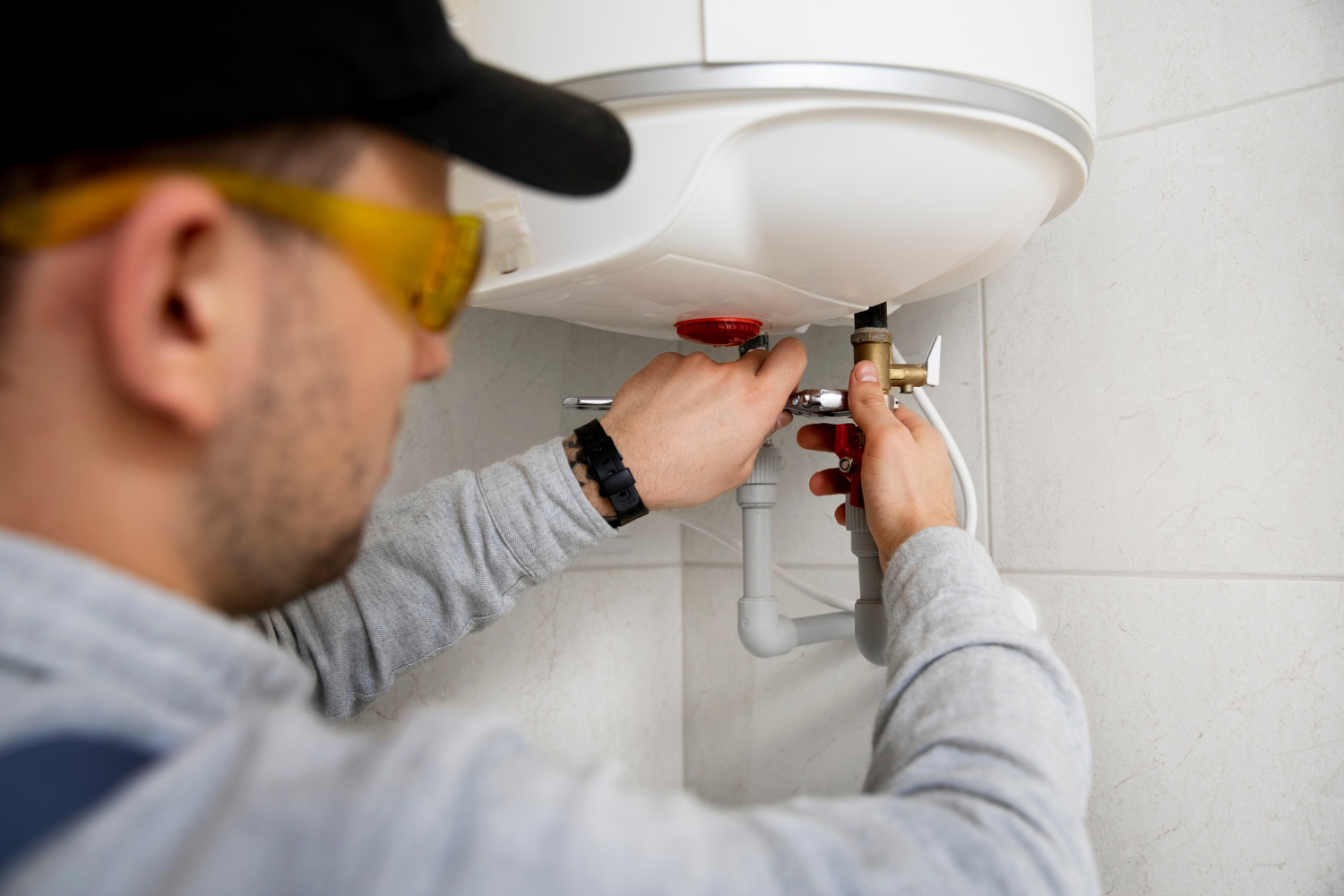
Once a technician confirms the unit is beyond repair, the replacement process starts by safely removing the old heater and installing a new one that fits your home’s needs and layout. Cold-weather damage can make this trickier than usual, but with careful planning, it is a smooth process from start to finish.
Here’s what you can usually expect:
- The damaged water heater is fully shut down, disconnected from power, gas, and plumbing lines, and removed from the space.
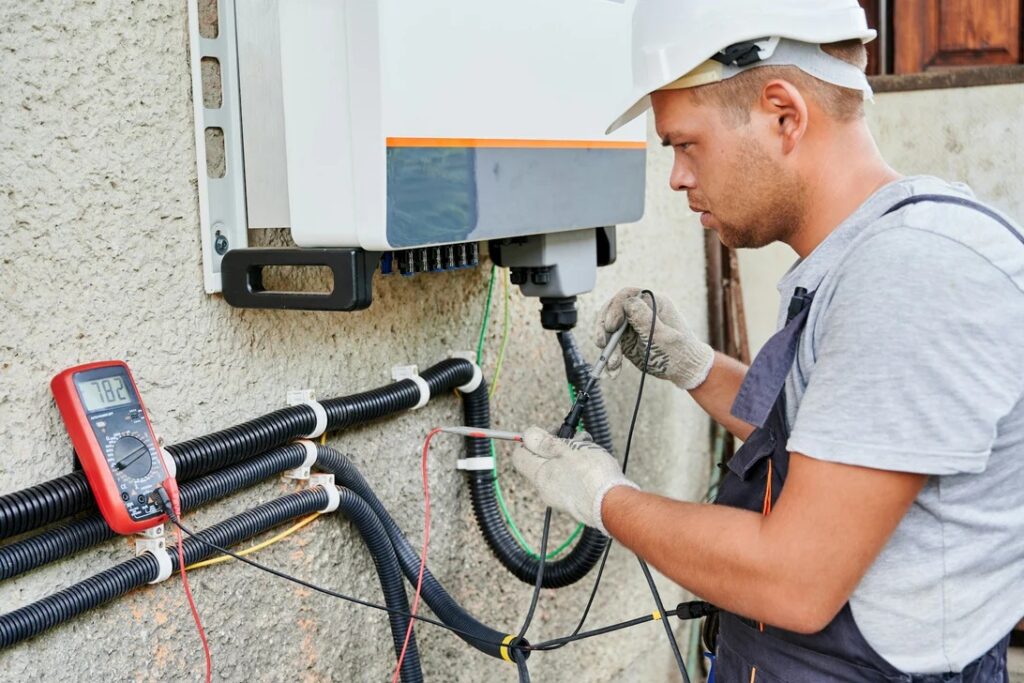
- The technician checks for other freeze-related damage affecting valves, pipes, or insulation, especially in unheated areas.
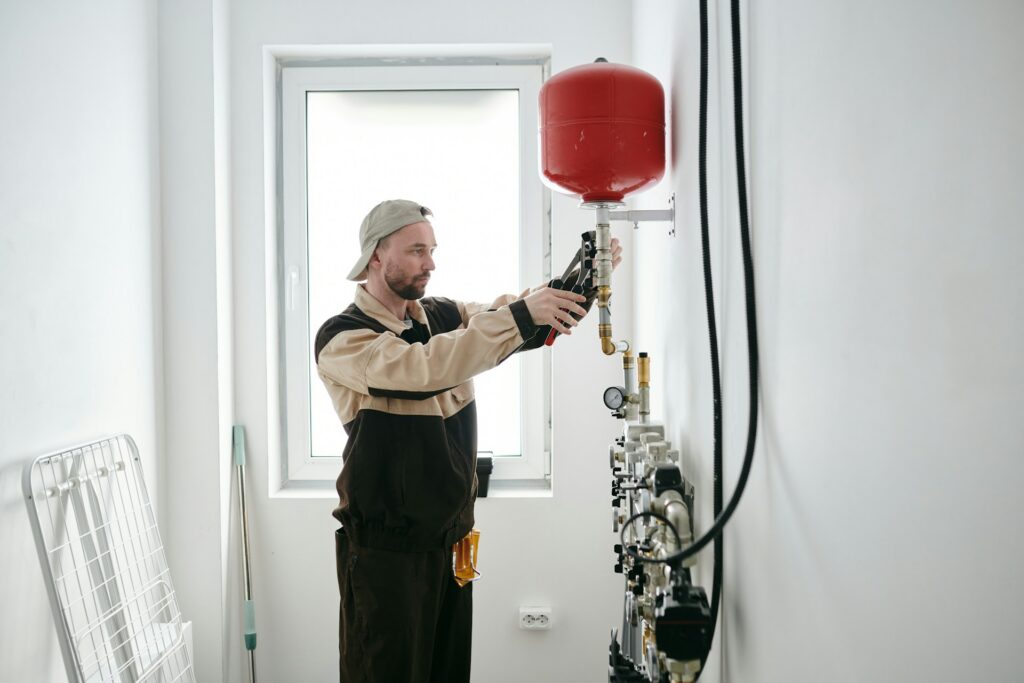
- A new water heater is installed according to the current code and adjusted for Northern Michigan’s winter conditions.
- In some homes, we will look at adding insulation sleeves, heat tape, or pipe rerouting so things stay protected during future freezes.
Not all heaters are the same, and newer models often offer better cold-weather support. Installing the right equipment helps avoid another emergency when the next cold snap rolls through.
Preventing Future Winter Damage
Once the new unit is up and running, there are steps we can take to keep it in good shape before the next storm hits. If freezing caused the first breakdown, it makes sense to guard against it happening again.
Here are a few smart habits we encourage during late fall and early winter:
- Book a system inspection before the first deep freeze
- Keep the space around your water heater warm and dry during the winter months
- Insulate exposed pipes that run through cold garages or crawlspaces
- Let a technician check on the pressure relief valve and drain sediment from the tank if needed
Older units tend to struggle more in harsh winter conditions. Upgrading to a modern model during your water heater replacement can better handle freezing temperatures and keep hot water flowing without added strain. Most newer systems are built with better freeze protection and energy efficiency. Our plumbing team also provides leaky pipe repair and replacement, as well as water line repair and replacement, which helps protect connected plumbing from the same freezing conditions that damaged your heater.
Moving Forward with Confidence
If your water heater stops working after a freeze, it can feel frustrating, especially when everything is already cold and chaotic. A fast response, a safe system shutdown, and a well-planned replacement get your home back on track quickly.
With the proper steps and a little support, a water heater replacement helps prevent repeat issues and keeps your household comfortable through winter storms still to come. Cold weather may be harsh, but being ready for it does not have to be.
If you are dealing with the aftermath of a freeze and are unsure where to start, we are here to help guide you through it. Replacing a damaged unit is not always easy, but when the signs point to long-term wear or cracking, a complete upgrade brings peace of mind. A proper water heater replacement can make all the difference in keeping warm water running reliably through Northern Michigan’s longest winters. At Quality Plumbing Heating and Air, we handle cold-weather breakdowns with care and experience. If your system is showing signs of winter damage, give us a call.