
A boiler works hard to keep your home warm through Northern Michigan’s long winters. The combination of long heating seasons, older cast-iron systems, and homes that sit unoccupied for weeks at a time creates a specific set of maintenance needs. Annual service addresses those needs before a minor problem becomes a heating failure.
This page covers what routine boiler maintenance involves: how often service should be scheduled, what the technician checks and adjusts, how radiator bleeding and pressure monitoring work, and what steam boiler systems require beyond a standard hot water tune-up.
For boiler pressure loss, zone failures, or a system that has shut down, see boiler repair.
What Northern Michigan Homeowners Are Saying


How Often a Boiler Should Be Serviced
Most boiler manufacturers recommend a professional service visit once a year. Scheduling in late summer or early fall means the work is done before the heating season begins, when technicians have more scheduling availability.
A boiler that skips service for multiple years is more likely to develop pressure problems, heat exchanger wear, and burner issues that a routine visit would catch early. Seasonal homes and cottages that leave the boiler running through the winter unattended benefit from fall service more than most.
There are a few situations where mid-season service makes sense: after an unusually long power outage, when pressure or water loss has been observed, or when the boiler has been locked out and reset multiple times without a clear cause identified.
Bleeding Radiators: When It Needs to Be Done
Air accumulates in hot water heating systems over time, particularly after the system has been drained for any reason or when makeup water is added. When air collects in a radiator, it takes up space the hot water should fill, which leaves part of the radiator cold even when the system is running.
The sign that a radiator has trapped air is straightforward: the unit is warm at the bottom near the supply pipe and noticeably cooler at the top. Gurgling or trickling sounds when the heat runs can also indicate air moving through the distribution pipes.
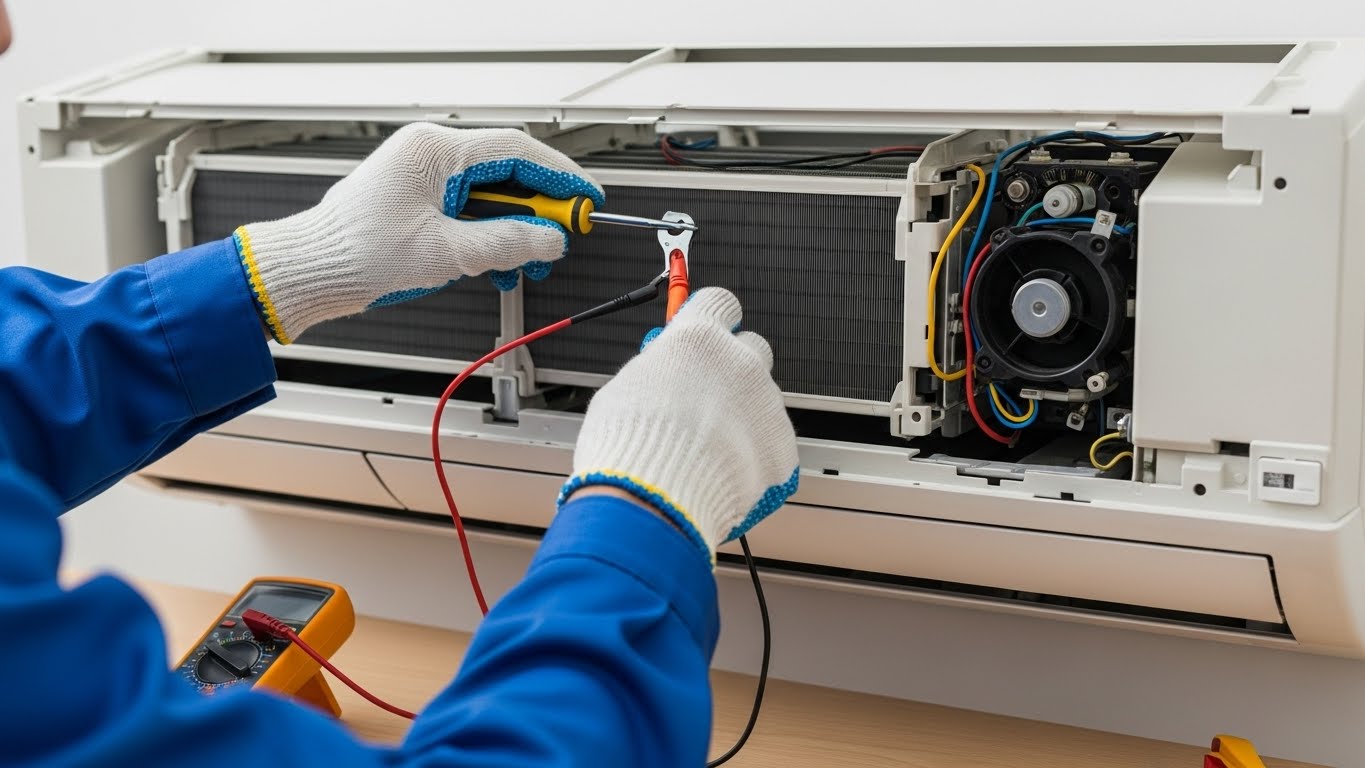
How Radiator Bleeding Works
The small air-release valve sits at one end of the radiator, usually near the top. A radiator key or small flathead screwdriver opens it with a counterclockwise turn. Air hisses out first, followed by water once the trapped air clears. The valve is then closed and the boiler pressure checked.
Pressure may drop slightly during this process. A technician adds water if needed to restore the correct pressure and checks it as each area of the home is serviced.
If air collects in the radiators every fall, an automatic air-release valve or a thorough removal of trapped air from the system may help. During a service visit, we check whether either option would benefit your home.
Boiler Pressure: Normal Ranges and Warning Signs
Hot water boilers operate within a specific pressure range. When the system is cold, the gauge typically reads between 12 and 20 PSI. When fully heated, pressure rises somewhat as the water expands, but should not climb past 30 PSI under normal conditions.
What High Pressure Indicates
Pressure that stays too high or causes the safety valve to release water may point to a problem with the expansion tank. This tank gives water room to expand as it heats. If the tank loses its air cushion or its internal divider fails, pressure can rise too far.
A dripping safety valve is another possible sign. We check the cause before recommending a repair, since replacing the valve alone may not solve it. A faulty expansion tank can also put extra strain on valves and seals throughout the system.
What Low Pressure Indicates
Pressure that reads consistently below 10 PSI, or that drops noticeably between heating cycles, suggests a slow water loss somewhere in the system. It may be a small leak at a valve, fitting, or radiator connection that is not producing visible standing water.
Frequently adding makeup water to bring pressure up is not a long-term solution. Each time fresh water enters the system it brings dissolved oxygen with it, which accelerates internal corrosion over time.
Boiler Water Treatment in Northern Michigan
A hot-water boiler system reuses the same water for years, helping limit rust and mineral buildup. Frequent refilling after pressure loss can weaken that protection.
In Northern Michigan homes with hard well water, each refill can introduce iron and other minerals that collect on the boiler’s heating surfaces over time.
During a service visit, a technician checks whether the water needs a protective treatment to slow rust or buildup. Treatment depends on what we find, rather than being added automatically every year.
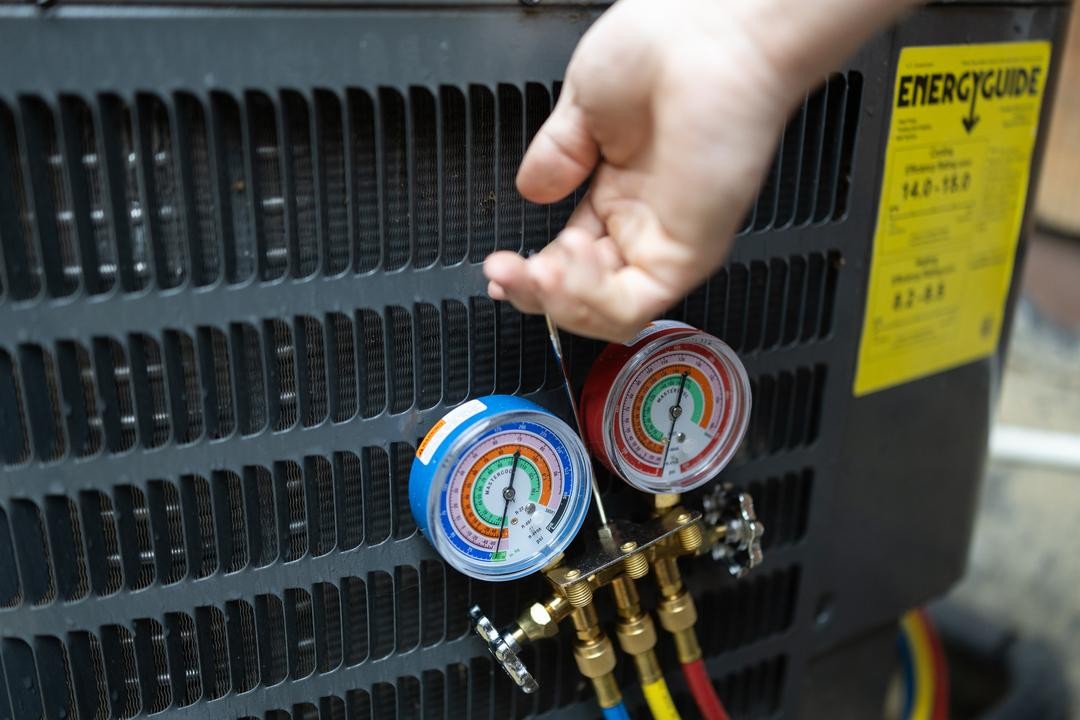
What a Low-Water Cutoff Does on a Steam Boiler
Steam boilers operate differently from hot water systems. The boiler generates steam, which rises through pipes to the radiators and condenses back into water that drains by gravity to the return. The water level in the boiler itself is critical in a steam system in a way it is not in a closed hot water loop.
A low-water cutoff is a safety control that shuts the burner down if the water level drops below the minimum safe point. Running a steam boiler without enough water can damage the heat exchanger and creates a fire risk. The cutoff is the primary protection against that failure.
Testing and Flushing the Low-Water Cutoff
Some low-water safety switches use a float that rises and falls with the water level. Dirt and mineral buildup can cause it to stick, preventing the boiler from shutting off when the water gets too low. During service, a technician slowly lowers the water level to check that the switch shuts off the burner when it should.
Flushing the float’s chamber removes buildup that can affect its movement. Other models use an electronic sensor, which requires a different test. Both types should be checked annually to confirm they are working before the heating season begins.
What Happens During a Boiler Tune-Up
A boiler tune-up is a thorough service visit that checks the parts that heat the water, the burners, the pumps and valves that move heat through your home, and the safety controls. Most gas and propane hot-water boilers need similar checks, while steam systems require additional testing.
Combustion and Heat Exchanger Checks
The technician tests the exhaust gases to check whether fuel is burning safely and efficiently. Unusual readings may point to a burner problem or damage inside the boiler. The part that transfers heat to the water is also inspected for rust or cracks.
The burner is cleaned, and the flame is checked. If the fuel and air mixture needs adjustment, it is set according to the manufacturer’s instructions. Exhaust pipes are checked for blockages, the correct slope, and secure connections to the boiler.
Distribution and Safety Controls
We check the water pump, valves that direct heat to different rooms, and the tank that controls pressure changes. We look for overheating in the pump and valves that stick. The safety valve is tested to make sure it opens when needed and closes without leaking.
For steam boilers, we also test the low-water safety shutoff and clean it as needed. We inspect the water-level viewing tube, pressure gauge, and pipe that helps balance pressure. Where accessible, we check radiator vents and steam traps for parts that stick open or closed.
What the Homeowner Receives
At the end of the visit, the technician walks through what was found, what was adjusted, and any components that showed wear. Items that need attention before the next service visit are noted separately from items that require action now.
Boiler Maintenance: Work From the Field
The following examples describe the kinds of situations a boiler maintenance visit turns up in Northern Michigan homes.
Air in the Upstairs Loop
A homeowner called about cold upstairs radiators while the first floor heated normally. The technician found air trapped in the second-floor loop and bled each radiator in sequence. Pressure was topped off after bleeding. Both zones were heating evenly by the end of the visit.
Low-Water Cutoff That Would Not Trip
During annual service on a steam boiler, the technician performed a slow-drain test and found the low-water cutoff float was not releasing at the correct water level. The float chamber was flushed and the control retested until it tripped at the marked minimum level. A faulty cutoff on an older steam boiler presents a real risk if it goes unchecked.
Combustion Analysis on a Boiler Without Recent Service
A boiler that had not been serviced in several years was found running lean on combustion analysis. The excess-air reading was outside the normal range, which reduces efficiency and puts more heat through the flue than the living space. The burner was adjusted and a corrosion inhibitor added to the loop water. A follow-up combustion test confirmed the boiler was operating to spec.
Service Area
Serving Communities Across Northern Michigan
From Gaylord to Petoskey, Charlevoix, Grayling, and smaller communities throughout the region, Quality Comfort Pros serves year-round homes and seasonal properties with plumbing, air conditioning, heating, and related home services.
Choose your city for local service information and any city-specific repair pages available in that community.
Boiler Maintenance: Common Questions
How often should a boiler be serviced?
Most boiler manufacturers and HVAC industry guidance recommends a professional service visit once a year. Scheduling it in late summer or early fall means the work is done before the heating season begins. A boiler that skips service for several years is more likely to develop pressure and heat exchanger problems that a routine visit would catch early.
How do I bleed a radiator?
Turn off the boiler and let the system cool. Locate the bleed valve on one end of the radiator, usually a small square or slotted fitting. Place a cloth underneath and turn the valve counterclockwise until air hisses out. When water flows steadily, close the valve. Check the boiler pressure after bleeding and add water if needed.
What should my boiler pressure be?
Hot water boilers typically run between 12 and 20 PSI when the system is cold, and slightly higher when heated. The gauge on the boiler shows the current pressure. A reading consistently at or above 30 PSI is a sign the expansion tank may not be working correctly. Low pressure after bleeding radiators usually means water needs to be added.
Does boiler water need treatment?
The water inside a closed hot water boiler does not need to be treated on the same schedule as a cooling tower or open system. Over time, however, oxygen corrosion and mineral deposits can form inside the pipes and heat exchanger. A technician can check the water quality during a service visit and add inhibitor if corrosion is present.
What is a low-water cutoff on a steam boiler?
A low-water cutoff is a safety device that shuts the burner down if the water level in the boiler drops too low. Running a steam boiler without enough water can damage the heat exchanger and is a fire risk. Most low-water cutoffs are tested and flushed during an annual service visit to confirm the float or probe responds correctly.
Can I do my own boiler maintenance?
Homeowners can do a few things between annual visits: bleed the radiators if one zone is slow to heat, check that the pressure gauge reads in the normal range, and make sure the boiler area stays clear of stored items. Combustion analysis, heat exchanger inspection, safety control testing, and burner service need a licensed HVAC technician.
Should I service my boiler if my home sits empty in winter?
Yes. A boiler in a vacant home needs to stay running and properly maintained through the winter to protect the pipes and radiators from freezing. A service visit before the cold season begins checks the controls, pressure, and heat exchanger so the boiler runs reliably without anyone home to monitor it.
What happens during a boiler tune-up?
A boiler tune-up typically includes a combustion analysis, heat exchanger inspection, burner cleaning, flue check, expansion tank assessment, pressure and temperature relief valve test, low-water cutoff test on steam systems, and a review of the circulator pump and zone valves. The technician checks for leaks and adjusts controls so the system meets the manufacturer’s operating specifications.
Related Heating Services
Boiler Repair
Pressure loss, zone failures, leaks, and safety shutdowns.
Boiler Installation and Replacement
Replacing an aging system, condensing upgrades, and compatibility questions.
Heating Services
Overview of all heating services, including furnace and heat pump options.
Schedule Your Annual Boiler Service
Fall is the best time to schedule boiler maintenance in Northern Michigan. A service visit before the heating season begins means the system is checked, adjusted, and ready before temperatures drop. Homes that sit empty through the winter are especially well served by a fall visit.
Call or use the online form on the contact page to book a boiler maintenance visit.